In the intricate tapestry of healthcare facility management, one often overlooked thread is the integrity of medical gases. These invisible heroes play a vital role in patient care, making it imperative to ensure their safety and reliability. In this blog post, we’ll delve into the nuances of medical gas testing and certification, exploring why it’s pivotal for healthcare facilities and the well-being of the patients they serve.
The Silent Guardians: Medical Gases in Healthcare
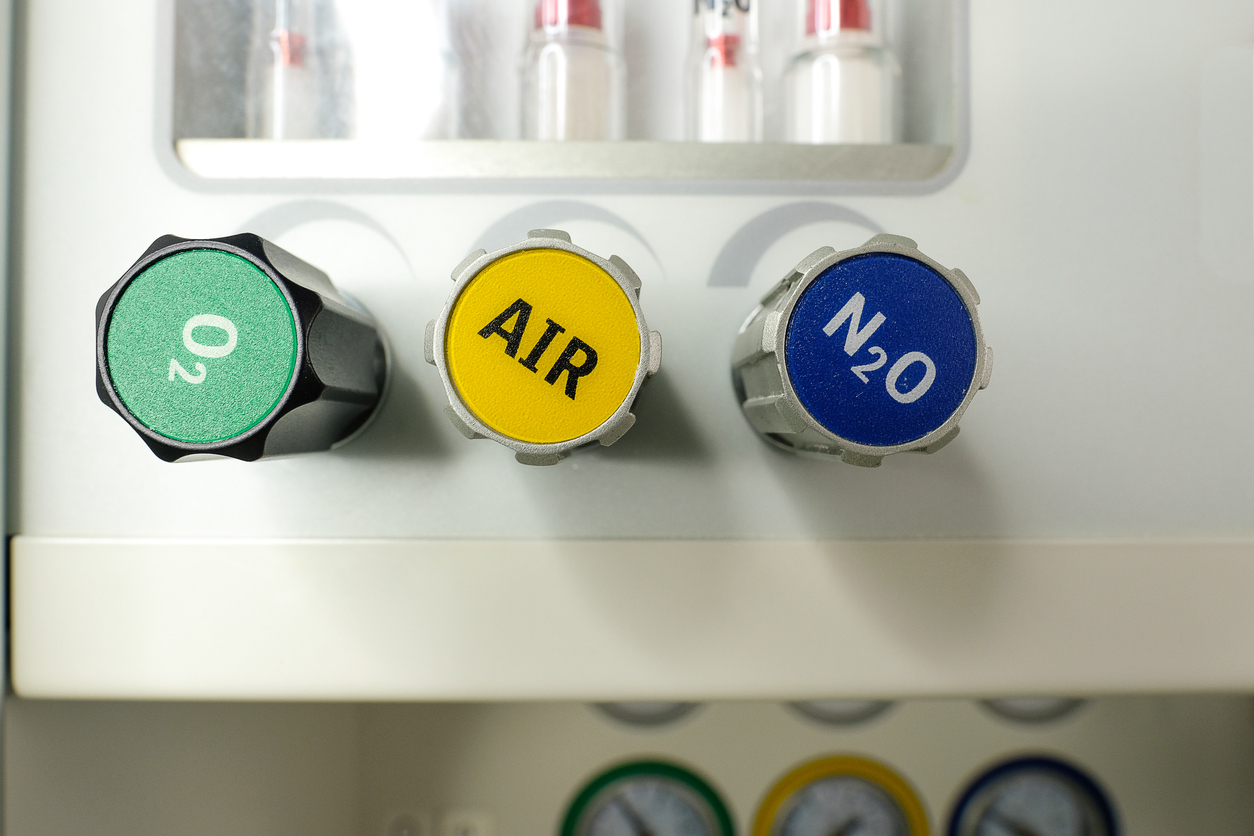
Before we plunge into the significance of testing, let’s take a moment to appreciate the silent guardians we call medical gases. Oxygen, nitrous oxide, and other gases are the unsung heroes of healthcare, aiding in surgeries, respiratory therapy, and various medical procedures. Picture this: a surgeon relying on a precise flow of oxygen during a critical operation or a patient seeking solace in the gentle hiss of therapeutic gases. The seamless functioning of these gases is paramount.
Why Testing Matters: Unveiling the Risks
Patient Safety First:
Ensuring the purity and precision of medical gases is synonymous with putting patient safety on a pedestal. Any compromise in gas quality can have dire consequences, from compromised surgical outcomes to respiratory distress. Medical gas testing acts as a safety net, averting potential disasters and fortifying the trust patients place in healthcare institutions.
Compliance and Regulations:
In the realm of healthcare, adherence to regulations is non-negotiable. Regulatory bodies set stringent standards for medical gas systems, and compliance is not just a box to tick—it’s a commitment to providing quality care. Regular testing guarantees that healthcare facilities meet and exceed these standards, fostering an environment of excellence.
The Pillars of Medical Gas Testing
Now that we’ve established the “why,” let’s unravel the “how” of medical gas testing.
Purity Testing:
Imagine a concert pianist trying to play on a slightly out-of-tune piano. The result would be discordant, just as impure medical gases can disrupt the symphony of healthcare. Purity testing ensures that the gases meet the specified standards, preventing contamination that could jeopardize patient health.
Pressure and Flow Testing:
Precision is key when it comes to medical gases. Pressure and flow testing guarantee that the right amount of gas is delivered at the right rate. Whether it’s oxygen for a ventilator or nitrous oxide for pain management, accurate delivery is fundamental to successful patient care.
Leak Detection:
In the world of medical gases, leaks are the elusive foes that can compromise the entire system. Regular leak detection not only safeguards the integrity of the gases but also prevents wastage, promoting sustainability in healthcare practices.
The Cost of Complacency: Real-world Implications
Operational Disruptions:
A healthcare facility is a finely tuned machine, and any disruption can have a cascading effect. Without routine testing, the risk of operational disruptions due to gas system failures increases significantly. Imagine a scenario where surgeries are delayed or emergency interventions are compromised—these are the real-world implications of complacency.
Financial Fallout:
While the cost of medical gas testing may seem like an additional financial burden, the repercussions of neglecting it far outweigh the investment. Operational downtime, legal consequences, and damage control efforts in the aftermath of a system failure can dent a facility’s financial health substantially.
A Proactive Approach: Benefits Beyond Compliance
Enhanced Reputation:
Patients trust healthcare institutions with their lives, and reputation is the currency of trust. A proactive approach to medical gas testing not only ensures compliance but also enhances the reputation of a facility. Word of mouth, patient satisfaction, and positive reviews often stem from the assurance of safety and quality care.
Sustainability in Healthcare:
As the world embraces sustainable practices, healthcare facilities are not exempt. Regular testing and maintenance of medical gas systems contribute to sustainability by reducing gas wastage through leak detection and ensuring optimal efficiency.
Empowering Healthcare Facilities with Knowledge
Training and Awareness:
The human element is pivotal in the successful implementation of medical gas testing. Ensuring that healthcare professionals are well-trained and aware of the importance of testing creates a culture of accountability. Education is a powerful tool that empowers the workforce to actively participate in maintaining the safety and efficacy of medical gas systems.
Collaboration with Experts:
Navigating the intricacies of medical gas systems can be daunting. Collaborating with experts in the field ensures that healthcare facilities stay ahead of evolving standards and best practices. It’s a strategic investment that pays dividends in the form of sustained patient trust and operational excellence.
Conclusion: A Breath of Confidence
In the grand tapestry of healthcare, medical gases are the threads that weave the narrative of healing. By embracing the importance of medical gas testing, healthcare facilities not only meet regulatory standards but also affirm their commitment to patient safety and operational excellence. It’s not just about ticking boxes; it’s about breathing life into a culture of confidence, where every hiss of medical gas signifies a breath of assurance for patients and healthcare providers alike.

