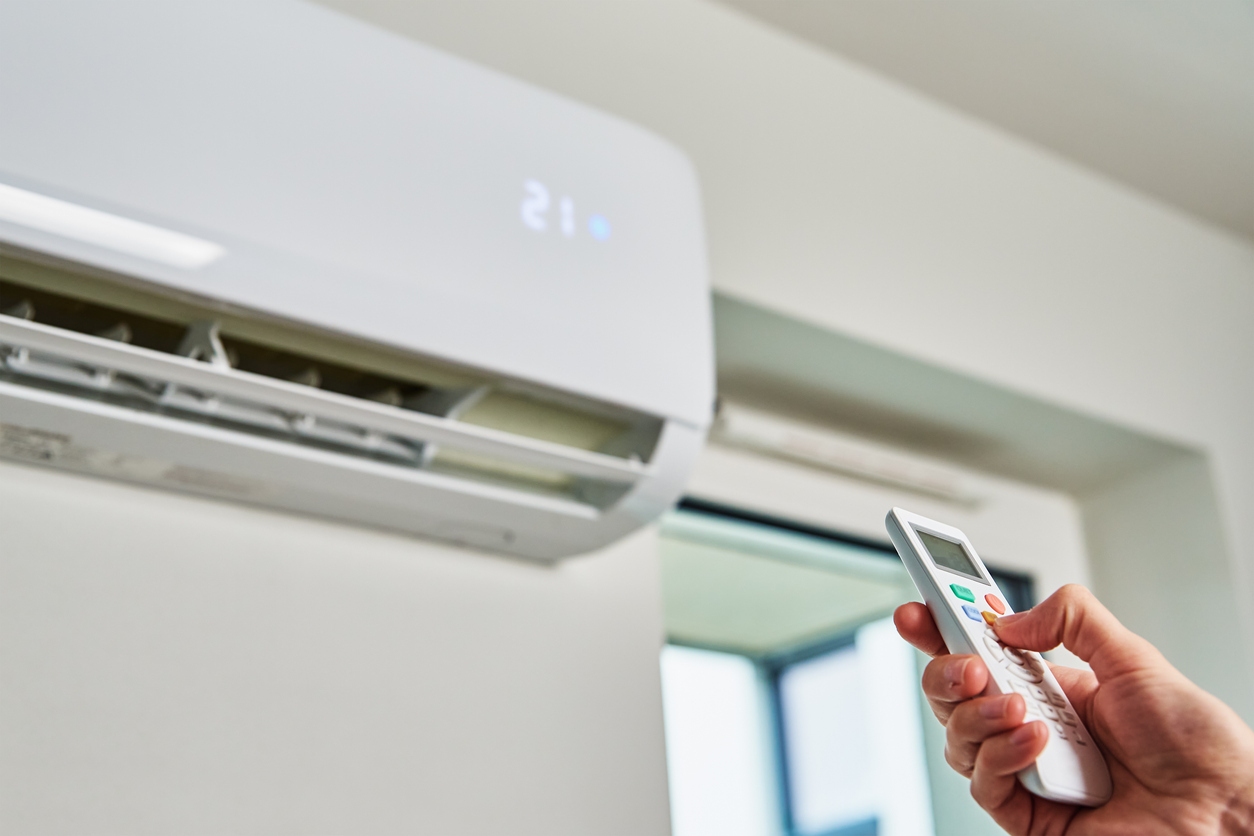
Keeping your home cool doesn’t have to mean a pricey install AC project or skyrocketing energy bills. With the right mix of budget-friendly cooling solutions, smart habits, and low-cost upgrades, you can make every degree count while keeping energy use under control.
Cheapest Cooling System for Home: Signs You Need an Upgrade
If some rooms are freezing while others stay warm, your system could be overworking to push air through leaks, blockages, or poorly balanced ducts. That extra strain can also cause short cycling, where the AC turns on and off in quick bursts, burning more energy than needed. If you find yourself constantly lowering the thermostat to feel comfortable, poor airflow, undersized equipment, or insulation issues might be forcing the system to work harder, and making even the cheapest cooling system for home less efficient over time.
A healthy cooling system should dehumidify naturally, so if it feels muggy indoors, the unit may be running longer, and costing more, to compensate. Rising bills without a change in weather or usage often point to efficiency loss, whether from airflow problems, undersized return vents causing a “phantom cool” effect, or a filter so clogged it bows inward and chokes the system.
On especially hot days, an overheating compressor can trip the breaker, adding to hidden energy costs. And if you notice sun-bleached spots on furniture or rugs, that extra heat gain through glass might be more than your AC, or even the cheapest cooling system for home, can handle.
Cheap Ways to Cool a Room Every Day
Keep heat out and cool air in by timing your home’s defenses. Close east-facing blinds in the morning and west-facing blinds in the afternoon to block the sun at its strongest, and on cooler nights, open windows on opposite sides of the house to create a cross-breeze before sealing them in the morning to trap that cooler air. Limit indoor heat gain by avoiding stove or oven use during the day, opting for grilling, slow cookers, or toaster ovens instead, one of the simplest cheap ways to cool a room without extra equipment.
Small fixes can make a difference, use rolled-up towels or door snakes to block hot air from garages, attics, or sunrooms, and run ceiling fans counterclockwise in summer to push cool air down, but only when people are in the room. Even low-tech tricks help: set a chilled ceramic mixing bowl near your seat for hours of passive cooling, take a lukewarm rinse in late afternoon to lower body temperature and raise your thermostat a few degrees without discomfort, or lightly damp-mop tile or stone floors in the morning for a small evaporative drop in room temperature. Check your fridge’s door seal, too, a weak one leaks cold into the kitchen, adding to your AC’s workload and making even the cheapest way to cool a room less effective.
Home Cooling Options That Save Money
Reflective window film can cut solar heat gain while still letting in light, often lowering indoor temperatures by several degrees, while thermal curtains add another layer of defense against radiant heat. Warm air infiltration can be reduced with door sweeps and weatherstripping, and even small leaks, like electrical outlets on exterior walls, can be sealed with inexpensive foam gaskets behind outlet covers. These home cooling options are affordable and quick to install.
Heat loss through overlooked areas matters too; insulating the attic hatch can stop as much heat as leaving a window open. For comfort tweaks, a reversible ceiling fan with a “natural wind” mode can help you feel cooler at higher thermostat settings, while a small duct booster fan in rooms far from the thermostat can even out temperatures for a low cost. Solar-powered window fans add another edge, running for free during sunny hours to push hot air out before it spreads indoors, another example of the cheapest way to cool a house without major renovations.
Alternative Cooling Systems for Any Budget
In dry climates, evaporative or “swamp” coolers can noticeably drop the temperature in a single room while using very little electricity. These alternative cooling systems can be especially effective in areas with low humidity. For spot cooling, high-velocity floor fans paired with an ice-filled pan can create a surprisingly effective chill, and small USB-powered personal cooling units with water reservoirs work well for desks or nightstands.
Portable AC units with dual hoses are more efficient than single-hose models since they avoid pulling in warm air from other parts of the home, while mini split rentals from tool stores offer a one-season, ductless option that’s more efficient than a window unit. Cooling mats that use phase-change materials, first designed for pets or medical purposes, stay cool for hours under sheets or in chairs. Even a simple DIY ice chest cooler, made from a foam cooler, a fan, and a vent elbow, can blow ice-cooled air for just pennies an hour and stands as one of the cheapest ways to cool a room in a pinch.
Smart Tech and the Cheapest Way to Cool a House
Adaptive thermostats can learn your routines, adjusting temperatures when you’re away or asleep and even pre-cooling before peak heat to prevent midday spikes. Pairing them with the pre-cool and coast method, dropping the temperature a few degrees in the early morning, then raising it before peak rates, lets your insulation hold the cool longer. Motion-sensing, occupancy-based cooling ensures rooms stay comfortable only when in use, making this one of the cheapest ways to cool a house without sacrificing comfort.
Zoned smart vents help by directing air where it’s needed most, avoiding wasted cooling in empty spaces. Some models even learn which rooms overheat first and adjust airflow before temperatures rise. Smart thermostats with energy usage alerts can flag unusually long run times to catch efficiency problems early, while simple plug timers for fans allow overnight operation only during the hottest hours, saving energy without sacrificing comfort, another example of smart cooling solutions for modern homes.
Maintenance as the Cheapest Way to Cool a Room
At least once a year, even if the system seems fine, a professional check can catch dirt on coils, clogged filters, or low refrigerant before they quietly drain efficiency. End-of-season cleaning prevents dirt from sitting on coils over winter, which can cut next summer’s performance by up to 15%, and a quick garden-hose rinse of the outdoor unit during peak pollen season can bring back noticeable cooling power, keeping your system and other home cooling options performing at their best.
If your AC starts taking longer to reach the set temperature, a tune-up can restore lost performance. After construction or dust-heavy projects, fine debris can coat components and make the system work harder. For units over seven years old, regular servicing helps offset natural wear, extend lifespan, and delay replacement. A duct camera inspection can also reveal collapsed or disconnected runs you’d never otherwise notice, vital for maintaining even the cheapest way to cool a room effectively.
Mixing Cooling Solutions for Maximum Savings
Think of heat control as a layered defense: block heat at the source with reflective film, curtains, and shade; trap cool air by sealing gaps, closing unused rooms, and adding weatherstripping; and keep it moving with ceiling fans, portable fans, and night cooling cycles. Automate what you can with smart thermostats and timers so cooling matches your real needs, and maintain the system so every other measure works harder for you. These layered cooling solutions ensure no single system, whether it’s the cheapest cooling system for home or a high-end unit, carries the full load.
When combined, the impact multiplies, a 2-degree drop from shading, another 2 from sealing, and another 2 from night cooling can cut AC runtime by hours each day. It’s like stacking coupons: pair behavioral habits like a morning cross-breeze and evening shower with micro upgrades like reflective film and attic hatch seals, then layer in smart scheduling such as pre-cool and coast. Each step reduces the load for the next, turning your AC into a support act instead of the headliner, and that’s when bills drop without comfort taking a hit.

