A warehouse can get disorganized quickly if small problems aren’t managed early. Boxes pile up in the wrong spots. Stock gets missed during picking. Orders go out slower than expected. These problems slow you down, even if your staff is working around the clock to keep things on track. You don’t need to overhaul everything to see a difference. Just fixing the layout or changing how items are picked can save time. Let’s go through simple ways to make warehouse work smoother. Whether you’re handling small shipments or managing daily truckloads, following these tips will come off as a game-changer.
Revamp The Layout and Flow
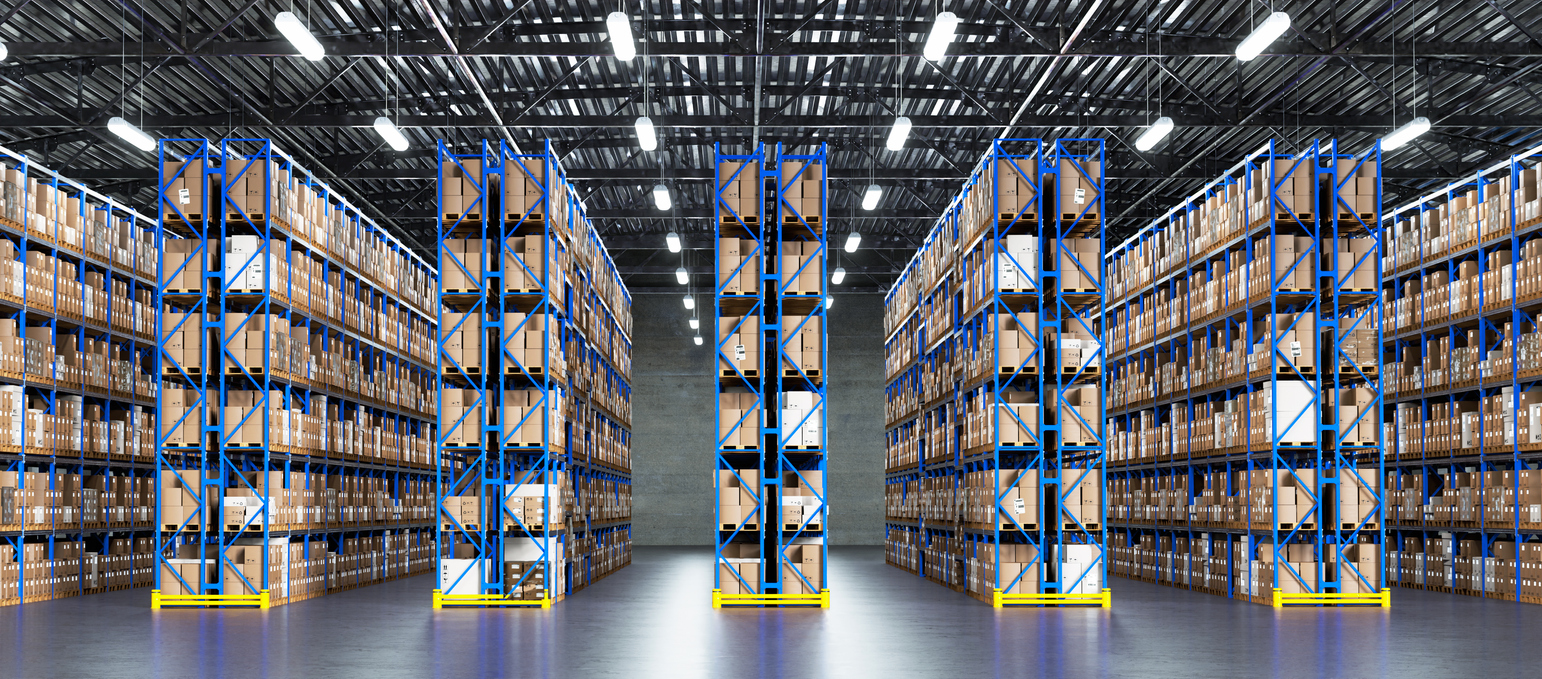
Workers move through the warehouse all day, and the layout affects how long everything takes. If fast-moving items stay too far from the packing, it adds time. If aisles are blocked, people have to wait or find another way through. Keeping the main paths open helps. Placing common items closer to the front saves steps. Forklifts move more easily when the space is clear. Signs and labels cut down on guessing. When the layout fits the work, things go faster without rushing.
Use Efficient Inventory Management and Picking Methods
Inventory is moving in and out every day. If it’s not tracked well, things go missing or get counted twice. Some items sit too long. Others run out without warning. Keeping the right system in place helps. Some warehouses use simple labels and checklists. Others use barcode scanners and tracking software. Both can work if the records stay updated. Picking also needs a plan. Your staff will waste valuable time if they have to walk across the warehouse for every item. To counter the extra effort, group orders by zone or pick in batches will save steps and reduce errors. When inventory is easy to find, orders move faster.
Invest in the Right Material Handling Equipment and Storage Aids
Moving products by hand takes time. Your staff will slow down if they don’t have the right tools to match their workload. Tools like Forklifts and pallet jacks are a helpful bunch. But they only work if they are in good condition and your staff follows the best practices for using them. The type of pallet also makes a difference. Some break easily or don’t fit well in the racks. Others hold up better and save space. Many warehouses are now moving towards 32 x 48 plastic pallets, given their durability and how easy they are to clean. When you use the right size and type, your team will have to shift less, and the delays will go down, too.
Train Staff and Standardize Processes
A warehouse runs better when everyone follows the same steps. If one person does things one way and someone else does it another way, things get missed. The labels go on wrong. Stock ends up in the wrong place. Orders take longer to pack. Training helps keep the process steady. New workers learn faster when there’s a clear system. Regular checks and short refreshers can catch small problems early. Simple signs and written steps near workstations also make a difference. When the process stays the same, it’s easier to stay on track, even on busy days.
Use Technology and Track What’s Working
Warehouses are using more tools now to keep things running smoothly. Some use basic spreadsheets. Others use full warehouse management systems. Either way, the goal stays the same – to know where everything is and how long it’s taking to move. Tracking key numbers helps. Some teams watch picking speed. Others focus on order accuracy or stock levels. This way, even small issues will come to your attention quicker, and you’ll apply the fixes quicker. Over time, the warehouse becomes easier to run because the problems don’t pile up.
Conclusion
A warehouse doesn’t have to be perfect to work well. It just needs small things to be in place. When the layout makes sense, the stock is tracked, and the team follows the same steps, things move faster. Tools help, but only if they match the work. Numbers help too, but only if someone is checking them. The rest comes with time. If you keep making small changes and paying attention, the work starts getting easier day by day.

