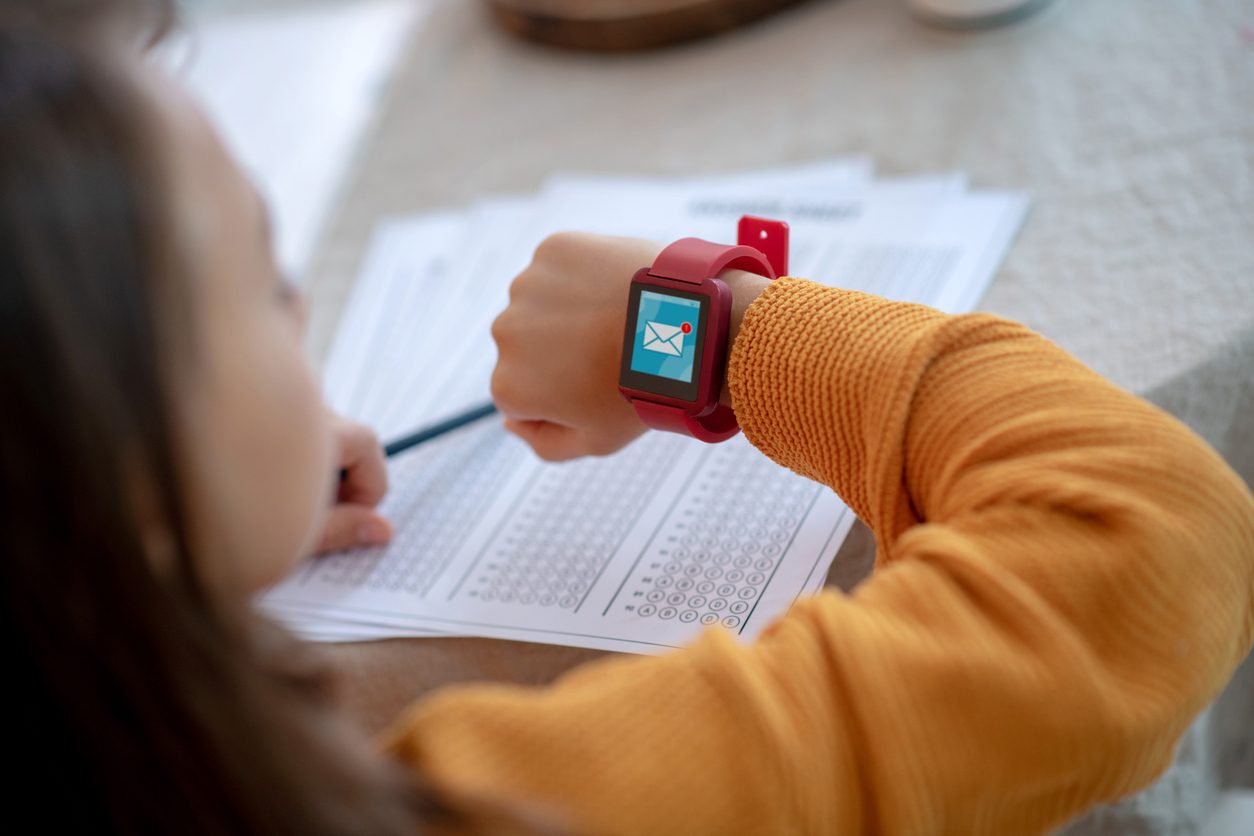
Wearable technology has quickly moved from being a novelty to becoming an everyday part of modern life. While adults often use devices like fitness trackers and smartwatches to monitor health or stay connected, children are increasingly becoming part of this trend. Parents are discovering that wearable tech offers unique benefits for kids, from safety and communication to encouraging healthy habits. As technology continues to evolve, wearable devices are becoming more child-friendly, making them a popular choice for families who want to blend convenience with peace of mind.
Safety and Location Tracking
One of the primary reasons wearable tech is gaining popularity among children is safety. Many devices include GPS tracking, allowing parents to know where their child is at any given time. This feature provides reassurance, especially for families with busy schedules or children who walk to school or participate in extracurricular activities. Location tracking ensures that parents can quickly check in without needing to make constant phone calls, offering both independence for the child and peace of mind for the parent.
Easy Communication
Wearable devices designed for children often include communication features such as messaging or calling. These functions allow kids to stay in touch with their parents without needing a full smartphone. For younger children, this is particularly valuable, as it provides a controlled way to communicate without exposing them to the distractions or risks of social media. A kids smart watch is a perfect example of how wearable tech balances accessibility with safety, giving children the ability to reach out when needed while keeping parents connected.
Encouraging Healthy Habits
Wearable technology often includes fitness tracking features that encourage children to stay active. Devices can monitor steps, sleep patterns, and even heart rate, helping kids understand the importance of physical activity and rest. Parents can use these insights to promote healthier routines, such as ensuring their child gets enough sleep or encouraging outdoor play. By gamifying health, wearable tech makes fitness fun, motivating children to move more and develop lifelong healthy habits.
Building Responsibility and Independence
Wearable tech can also help children learn responsibility. Devices often include reminders for tasks such as brushing teeth, completing homework, or attending scheduled activities. These gentle prompts encourage kids to manage their time and responsibilities more effectively. At the same time, wearable devices give children a sense of independence, allowing them to take ownership of their routines while still being supported by parental oversight. This balance fosters confidence and self-reliance.
Educational Features
Beyond communication and health, wearable technology is increasingly incorporating educational tools. Some devices include interactive games, language learning apps, or math challenges designed to engage children in fun, productive ways. These features transform wearable tech into more than just a gadget, it becomes a tool for learning and growth. Parents appreciate that these devices can provide entertainment while also reinforcing skills that benefit their child academically.
Social Connection
Children enjoy sharing experiences with their peers, and wearable tech often includes features that allow them to connect socially. Whether it’s competing in step challenges, sharing achievements, or playing interactive games, these devices foster positive social interactions. Wearable tech provides a safe platform for children to engage with friends, encouraging teamwork and friendly competition. This social aspect makes devices appealing to kids while reassuring parents that the interactions are monitored and age-appropriate.
Adaptability for Different Ages
Wearable technology is designed to grow with children, offering features that adapt to their age and maturity level. Younger children may use devices primarily for safety and communication, while older kids may benefit from fitness tracking, educational tools, and more advanced features. This adaptability ensures that wearable tech remains relevant as children grow, making it a worthwhile investment for families. Parents can adjust settings and features to match their child’s needs, ensuring the device continues to provide value over time.
Conclusion
Wearable technology is becoming increasingly popular among children because it combines safety, communication, health, education, and social connection in one accessible device. Parents appreciate the peace of mind these tools provide, while children enjoy the independence and fun features they offer. As technology continues to evolve, wearable devices will likely play an even greater role in supporting children’s growth and development. By blending practicality with innovation, wearable tech is shaping the way families approach both safety and everyday life.

