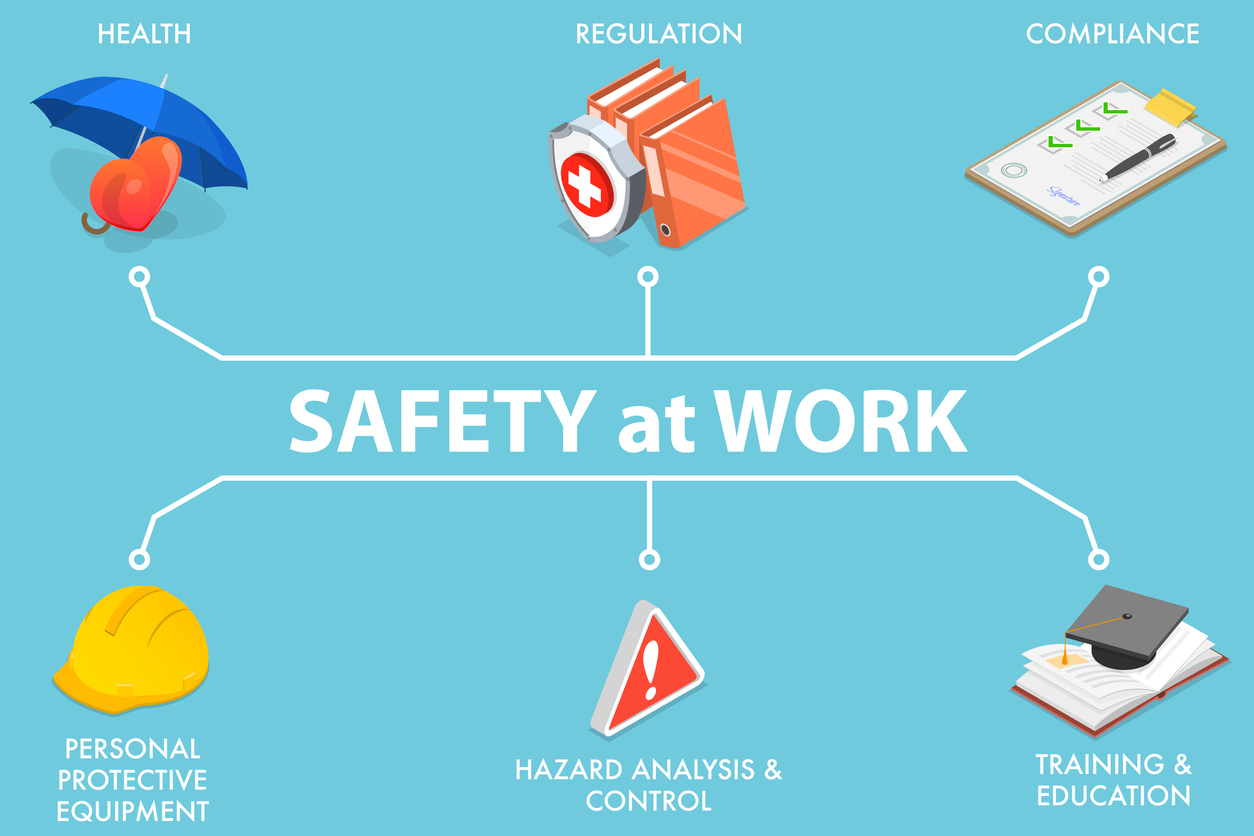
Employee safety is a cornerstone of organizational success. A workplace that prioritizes safety not only protects its people but also fosters trust, productivity, and long-term stability. An effective employee safety program goes beyond compliance with regulations it creates a culture where employees feel valued and secure. To achieve this, organizations must implement comprehensive strategies that address both physical and psychological well-being. Below are five key components that form the foundation of a strong employee safety program.
Clear Policies and Procedures
The backbone of any safety program is a set of clear, well-communicated policies and procedures. These guidelines establish expectations for behavior, outline safety protocols, and provide direction for handling emergencies. Policies should cover everything from equipment use and hazard reporting to emergency evacuation plans. Importantly, they must be accessible and easy to understand, ensuring that employees at all levels can follow them without confusion. Regular updates are essential to keep policies aligned with evolving regulations and workplace needs. When employees know exactly what is expected of them, they are better equipped to maintain a safe environment.
Comprehensive Training Programs
Training is critical to ensuring that employees can apply safety policies effectively. A robust program should include initial onboarding sessions, ongoing refresher courses, and specialized training for high-risk roles. Topics may range from fire safety and ergonomics to conflict resolution and emergency response. For example, incorporating violence at work training equips employees with the skills to recognize warning signs, de-escalate tense situations, and protect themselves and others. Training should be interactive, practical, and tailored to the specific risks of the workplace. By investing in education, organizations empower employees to act confidently and responsibly in maintaining safety.
Regular Risk Assessments
Workplace environments are dynamic, and risks can change over time. Conducting regular risk assessments ensures that potential hazards are identified and addressed before they escalate. These assessments should evaluate physical risks, such as faulty equipment or unsafe workspaces, as well as psychological risks, including stress and workplace conflict. Involving employees in the assessment process can provide valuable insights, as they often notice issues that management may overlook. Once risks are identified, organizations must take proactive steps to mitigate them, whether through equipment upgrades, policy changes, or additional training. Regular assessments demonstrate a commitment to continuous improvement in safety.
Strong Communication Channels
Effective communication is vital for a safety program to succeed. Employees must feel comfortable reporting hazards, concerns, or incidents without fear of retaliation. Establishing multiple communication channels such as anonymous reporting systems, open-door policies, and regular safety meetings encourages transparency and trust. Managers should actively listen to employee feedback and respond promptly to concerns. Clear communication also ensures that safety updates, policy changes, and emergency instructions are delivered quickly and accurately. When communication flows freely, employees are more likely to engage with safety initiatives and contribute to a culture of accountability.
Leadership Commitment and Culture
The final component of an effective safety program is leadership commitment. Leaders set the tone for workplace culture, and their actions demonstrate whether safety is truly a priority. When executives and managers actively participate in safety initiatives, employees are more likely to take them seriously. Leadership commitment involves allocating resources, recognizing safe practices, and holding everyone accountable for maintaining standards. Beyond compliance, it is about fostering a culture where safety is ingrained in daily operations. A strong safety culture ensures that employees feel supported and motivated to prioritize well-being, both for themselves and their colleagues.
Conclusion
An effective employee safety program requires more than a checklist it demands a holistic approach that integrates policies, training, risk assessments, communication, and leadership commitment. Each component plays a vital role in creating a workplace where employees feel secure and valued. By investing in safety, organizations not only protect their people but also strengthen productivity, morale, and long-term success. A culture of safety is ultimately a culture of care, and it is one of the most powerful ways to build trust and resilience within any organization.
