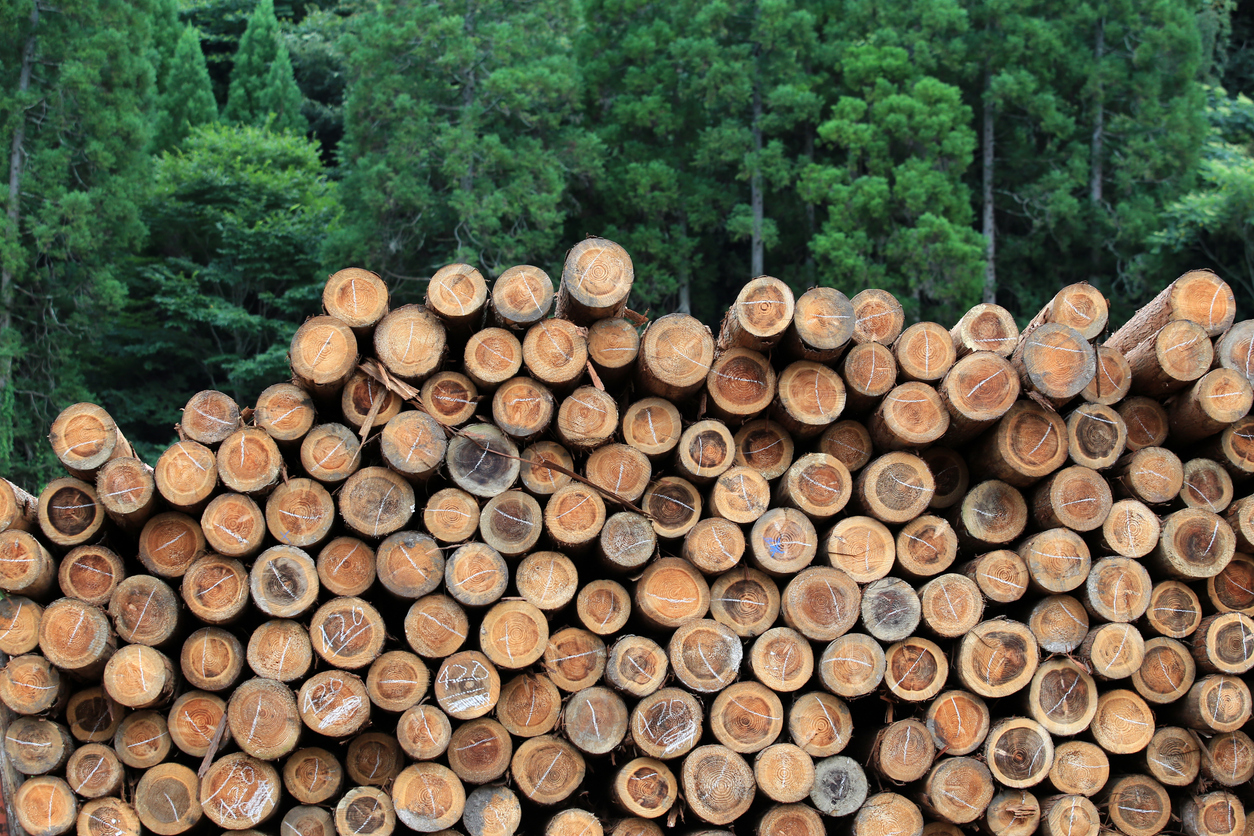
Cedar has long been valued for its durability, natural resistance to decay, and attractive appearance, making it a preferred material for decking, fencing, siding, and outdoor structures. As demand continues to grow across residential and commercial projects, the pricing of cedar lumber can fluctuate based on a variety of economic, environmental, and market‑specific factors. Understanding these drivers helps buyers, contractors, and suppliers make informed decisions and anticipate changes in cost. The cedar market is influenced by both predictable trends and shifting conditions, all of which contribute to the final price consumers see.
Supply Availability and Harvesting Conditions
One of the most significant factors affecting cedar lumber pricing is the availability of raw material. Cedar is harvested primarily from specific regions, and its supply is heavily influenced by forest management practices, environmental regulations, and seasonal conditions. When harvesting is limited due to weather, conservation efforts, or reduced logging permits, supply tightens and prices rise.
Additionally, natural events such as wildfires, storms, or pest infestations can impact forest health and reduce the amount of usable timber. When supply becomes constrained, mills face higher costs, which are ultimately reflected in market pricing. Conversely, periods of strong harvest yields and stable forest conditions can help moderate prices, though demand still plays a major role.
Mill Production Capacity and Processing Costs
After harvesting, cedar must be processed, graded, and prepared for distribution. Mill capacity and operational efficiency directly influence the cost of finished lumber. When mills operate at full capacity, production tends to be more efficient, helping stabilize prices. However, labor shortages, equipment maintenance, or unexpected shutdowns can slow production and reduce output.
Processing costs also fluctuate based on energy prices, transportation expenses, and labor rates. As these costs rise, mills adjust pricing to maintain profitability. Buyers searching for cedar lumber for sale often notice price differences tied to mill performance and regional production capabilities.
Market Demand Across Construction and Retail Sectors
Demand is a major driver of cedar pricing, especially during peak building seasons. Residential construction, outdoor living projects, and commercial developments all contribute to fluctuations in demand. When homeowners invest in decks, pergolas, and fencing during warmer months, demand spikes and prices typically increase.
Retail trends also influence the market. Big box stores, lumberyards, and specialty suppliers adjust their purchasing based on consumer interest. If demand rises faster than supply, prices climb. Conversely, during slower construction periods or economic downturns, demand may soften, leading to more stable or reduced pricing.
Transportation and Distribution Logistics
Cedar lumber often travels long distances from forests to mills and then to distributors or retailers. Transportation costs, including fuel prices, freight availability, and shipping regulations, significantly affect final pricing. When fuel costs rise or trucking capacity becomes limited, transportation expenses increase and are passed along the supply chain.
Geographic location also plays a role. Buyers located far from major cedar‑producing regions may pay higher prices due to longer shipping routes. Efficient distribution networks help reduce these costs, but fluctuations in logistics remain a consistent pricing driver.
Grading, Quality, and Product Specifications
Not all cedar lumber is created equal. Pricing varies based on grade, appearance, and intended use. Higher grades with fewer knots, straighter grain, and superior visual appeal command premium prices. Specialty cuts, custom dimensions, and kiln‑dried products also cost more due to additional processing.
Different cedar species, such as Western Red Cedar or Eastern White Cedar, have their own pricing structures based on availability and performance characteristics. Buyers selecting lumber for high‑visibility applications often choose premium grades, while structural or utility projects may use more economical options. These choices influence overall market demand and contribute to pricing variability.
Conclusion
Cedar lumber pricing is shaped by multiple factors, including supply availability, mill production capacity, market demand, transportation logistics, and product quality. Understanding these drivers helps buyers anticipate cost changes and make informed purchasing decisions in a dynamic and competitive market.

