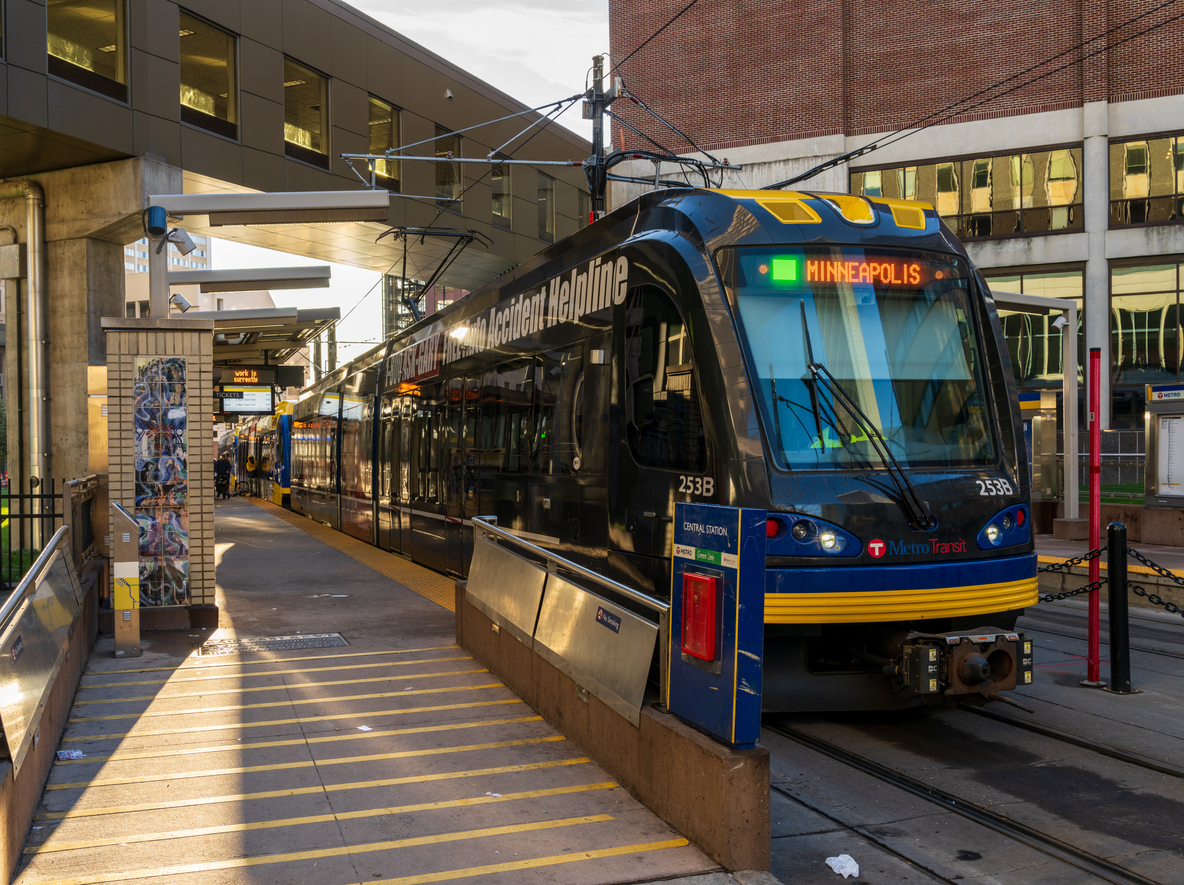
Railcar cleaning isn’t just about keeping things shiny; it’s a critical process that ensures safety, efficiency, and compliance within the rail industry. Whether you’re a railcar owner, a maintenance professional, or simply a rail enthusiast, understanding the best practices for railcar cleaning is essential.
Why Clean Railcars Matter
Clean railcars mean:
- Safety – Accumulated debris can be a fire hazard or contribute to accidents.
- Efficiency – A clean railcar performs better, contributing to a more reliable service.
- Compliance – Various regulations require railcars to be clean, especially those transporting hazardous materials.
Understanding Regulations
The regulatory landscape for railcar cleaning is complex, governed by a mix of federal, state, and industry-specific guidelines. At the heart of these regulations are safety and environmental protection. Key players include:
- Federal Railroad Administration (FRA) – Sets safety standards for the U.S. railroad industry, including railcar inspection and cleaning.
- Environmental Protection Agency (EPA) – Regulates the disposal of waste materials.
- Occupational Safety and Health Administration (OSHA) – Ensures safe working conditions, including during the cleaning process.
Industry Standards: What You Need to Know
Industry standards complement regulatory requirements, focusing on best practices that promote safety, efficiency, and sustainability. Organizations like the Association of American Railroads (AAR) play a pivotal role in setting these standards. They cover aspects like:
- Cleaning methods and equipment
- Protective gear for workers
- Handling and disposal of hazardous materials
The Cleaning Process: A Step-by-Step Guide
Cleaning a railcar is not a one-size-fits-all process. It varies depending on the type of railcar, the cargo it carries, and the level of cleaning required. However, here’s a general outline of the process:
- Preparation – Secure the railcar in a designated cleaning area. Ensure all necessary safety measures are in place.
- Initial Assessment – Inspect the railcar to determine the type and extent of cleaning needed.
- Removing Contents – If the railcar was used for bulk materials, ensure it’s emptied completely.
- Cleaning – Use appropriate methods and equipment. This could range from high-pressure water jets for exterior washes to specialized chemical cleaners for hazardous materials.
- Inspection and Maintenance – After cleaning, inspect the railcar for any damage or maintenance needs.
- Documentation – Record the cleaning process, noting any issues or repairs required. This is crucial for compliance and future reference.
Tips for Effective Railcar Cleaning
- Choose the Right Cleaning Agents – Not all cleaners are suitable for every type of railcar or cargo. Selecting the appropriate cleaning agents is vital for both effectiveness and safety.
- Invest in Quality Equipment – High-quality cleaning equipment can make the process more efficient and safer for operators.
- Train Your Team – Ensure that everyone involved in the cleaning process is adequately trained, not just in cleaning techniques but also in safety and emergency procedures.
- Stay Up-to-Date with Regulations – Regulatory requirements can change. Keeping abreast of the latest guidelines is essential for compliance and safety.
Embracing Technology in Railcar Cleaning
In an era where technology influences every aspect of our lives, railcar cleaning is no exception. The adoption of innovative technologies not only streamlines the cleaning process but also enhances safety and environmental compliance. Here’s a closer look at how technology is reshaping railcar cleaning:
Automated Cleaning Systems
Automated cleaning systems represent a significant advancement in railcar maintenance. These systems can perform various cleaning tasks, from simple washes to more complex decontamination processes, with minimal human intervention. Benefits include:
Consistency – Automated systems deliver uniform cleaning results every time.
Efficiency – They can clean railcars faster and more thoroughly than manual methods.
Safety – Reducing human involvement in potentially hazardous cleaning processes lowers the risk of accidents.
Eco-friendly Innovations
Sustainability is a growing concern in all industries, including rail. Innovations in eco-friendly cleaning solutions and waste management systems are making railcar cleaning greener. For instance:
Biodegradable Cleaning Agents – These agents ensure effective cleaning without harming the environment.
Water Recycling Systems – Advanced filtration technologies allow the reuse of water, significantly reducing waste and consumption.
Data Management and Compliance
Technology also plays a crucial role in documenting and managing the cleaning process. Digital tools and software enable:
Efficient Record-Keeping – Automated systems can track cleaning schedules, methods used, and maintenance issues, ensuring accurate records for regulatory compliance.
Real-Time Monitoring – GPS and sensor technologies allow for the real-time tracking of railcars, facilitating timely and targeted cleaning interventions.
Compliance Alerts – Software can notify operators of upcoming regulatory deadlines or changes in standards, helping to maintain continuous compliance.
FAQs on Railcar Cleaning
Q: Can any cleaning company clean railcars? A: Not necessarily. Cleaning companies need to be familiar with the specific requirements and regulations governing railcar cleaning, especially for hazardous materials.
Q: How often do railcars need to be cleaned? A: It depends on the type of cargo and usage. Railcars transporting perishable goods or hazardous materials may need more frequent cleaning compared to those carrying non-perishable bulk goods.
Q: Are there eco-friendly cleaning options? A: Yes, the industry is increasingly adopting eco-friendly cleaning agents and methods that reduce environmental impact without compromising on cleanliness.
Wrapping Up
Railcar cleaning is a complex but essential process that goes beyond mere aesthetics. Remember, a clean railcar is a safer, more efficient, and more compliant railcar.
Whether you’re directly involved in the rail industry or just fascinated by the logistics of rail transportation, understanding the importance of railcar cleaning underscores the intricate details that keep this mode of transport running smoothly. It’s not just about the journey but also about how well we maintain the vehicles that make it all possible.

