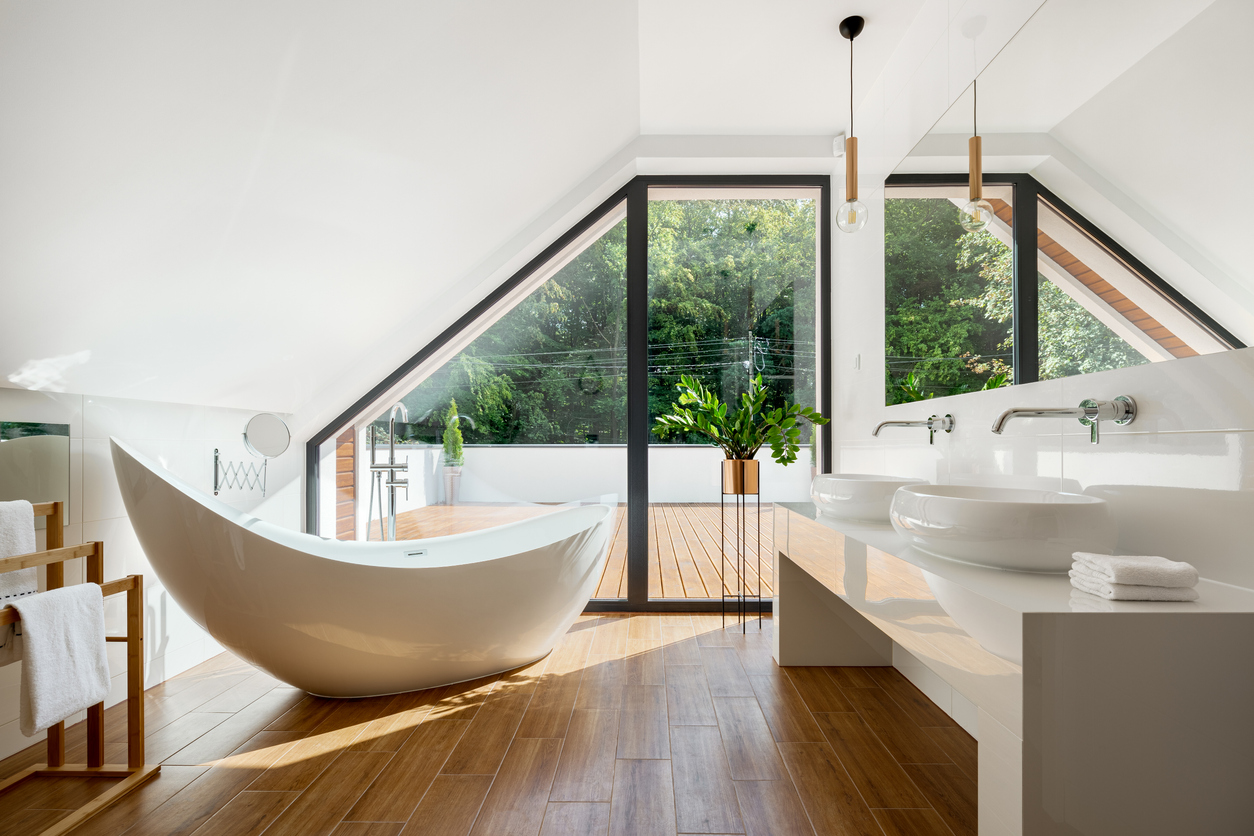
In the hustle and bustle of everyday life, finding moments of tranquillity is essential for our well-being. Your bathroom, often overlooked as a place solely for practical use, can become a sanctuary of peace and relaxation with a few thoughtful touches.
Embracing Zen principles in your bathroom design can cultivate a serene atmosphere that rejuvenates both body and mind. While the journey to achieving Zen in your bathroom may seem straightforward, it can be worthwhile discussing your project with a bathroom renovation expert.
Feng Shui, which translates to “wind and water” in English, is an ancient Chinese practice that dates back thousands of years. Its origins can be traced back to the observation of natural phenomena and the understanding that environmental factors have a profound impact on human life. The practice of Feng Shui evolved from a combination of ancient Chinese philosophy, cosmology, astrology, and geomancy.
Historically, Feng Shui was primarily used to determine the most auspicious placement of buildings, tombs, and cities to harness positive energy, or “qi,” and ward off negative influences. It was closely tied to the belief in harmony between humans and the natural world, with the goal of creating balanced and harmonious living spaces that promote health, prosperity, and happiness.
Over the centuries, Feng Shui evolved and adapted to different cultural and geographical contexts, spreading beyond China to other parts of East Asia and eventually gaining popularity worldwide. Today, Feng Shui continues to be widely practised and integrated into various aspects of modern life, including architecture, interior design, landscaping, and personal wellness.
There are several reasons why Feng Shui remains relevant and widely used today:
Holistic Approach:
Feng Shui takes a holistic approach to design and living, considering the interconnectedness of people, their environment, and the flow of energy. It addresses not only physical aspects of space but also emotional, psychological, and spiritual well-being.
Promotion of Balance and Harmony:
In a fast-paced and often chaotic world, people seek balance and harmony in their surroundings. Feng Shui principles offer guidance on creating environments that foster a sense of balance, tranquillity, and positivity, helping individuals navigate life’s challenges with greater ease.
Enhancement of Well-Being:
Feng Shui is believed to have a direct impact on the quality of life and well-being of individuals. By optimising the flow of energy in a space, Feng Shui can improve health, relationships, finances, and overall happiness.
Adaptability to Modern Spaces:
While rooted in ancient wisdom, Feng Shui principles can be adapted to modern living spaces and contemporary design styles. Whether renovating your whole home, designing an office space, planning a garden, or even just choosing a modern bathroom mirror, Feng Shui offers practical guidelines for optimising energy flow and creating harmonious environments.
Cultural Heritage and Tradition:
For many people, Feng Shui is not just a design philosophy but also a cultural heritage and tradition passed down through generations. It holds deep cultural significance and continues to be valued as a means of connecting with ancestral wisdom and preserving cultural identity.
In summary, the enduring popularity of Feng Shui can be attributed to its holistic approach, promotion of balance and harmony, enhancement of well-being, adaptability to modern spaces, and cultural significance. As people seek ways to create nurturing and supportive environments in their homes and workplaces, the timeless principles of Feng Shui remain a valuable resource for achieving harmony and vitality in everyday life.
Here, we explore some simple yet effective ways to transform your bathroom into a Zen-inspired oasis. Consulting with a professional can provide invaluable insights and guidance to ensure your vision aligns with both aesthetics and functionality.
Clearing Clutter:
Before embarking on your bathroom renovation journey, it’s crucial to declutter the space. Rid your bathroom of any unnecessary items, expired products, or broken fixtures. Clutter disrupts the flow of energy, or chi, in space, leading to feelings of stress and stagnation. By keeping your bathroom clean and organised, you set the stage for a harmonious environment conducive to relaxation and rejuvenation. Consider installing storage solutions such as cabinets, shelves, or baskets to maintain a clutter-free space in the long term.
Balancing Elements:
Feng Shui emphasizes the importance of balancing the five essential elements—wood, fire, earth, metal, and water—in a space to promote harmony. While water is naturally prevalent in the bathroom, it’s essential to balance it with other elements to prevent excessive drainage of energy.
Introduce wood elements through bamboo accents or wooden fixtures to bring in the nurturing energy of the wood element. Incorporate metal elements with stainless steel faucets or decorative metal accents to add clarity and precision to the space.
Earthy elements can be added through ceramic tiles, natural stone countertops, or earth-toned décor, grounding the space and promoting stability. Balancing these elements creates a harmonious and energising atmosphere in your bathroom, fostering a sense of well-being.
Maximising Natural Light:
Natural light is a fundamental aspect of Feng Shui, symbolising vitality, clarity, and the flow of positive energy. During your renovation, prioritise maximising natural light in your bathroom.
Consider installing larger windows, skylights, or frosted glass panels to allow abundant sunlight to filter in while maintaining privacy. If natural light is limited, incorporate mirrors strategically to reflect and amplify existing light sources, enhancing the sense of spaciousness and brightness in the room.
Additionally, consider using sheer curtains or blinds that allow sunlight to penetrate while maintaining privacy and softening harsh glare.
Creating a Spa-Like Atmosphere:
Transforming your bathroom into a spa-like retreat is a key goal of Feng Shui-inspired design. Choose high-quality materials and fixtures that evoke a sense of indulgence and relaxation, such as marble countertops, rainfall showerheads, or deep soaking tubs.
Soft lighting, aromatic candles, and plush towels further enhance the spa-like ambience, inviting you to unwind and recharge both body and mind. Incorporate soothing elements such as essential oil diffusers, potted plants, or natural stone accents to create a serene and tranquil atmosphere that promotes relaxation and rejuvenation.
Positioning Fixtures Mindfully:
The strategic placement of fixtures in your bathroom is essential for optimising energy flow according to Feng Shui principles. Position the toilet, sink, and bathtub/shower to create a harmonious and functional layout. Avoid placing the toilet directly facing the door, as this is considered poor Feng Shui and can lead to energy depletion.
Instead, position it diagonally or behind a partition for privacy. Ensure that all fixtures are in good working order and free from leaks to prevent energy imbalances and promote a sense of well-being in the space.
Additionally, consider incorporating elements of symmetry and balance in the placement of your wood vanity unit and other fixtures to further enhance the harmonious flow of energy throughout the room.
Conclusion:
By incorporating Feng Shui principles into your bathroom renovation, you can create a space that not only meets your practical needs but also promotes balance, harmony, and well-being. From decluttering and balancing elements to maximizing natural light and creating a spa-like atmosphere, each aspect contributes to a harmonious and revitalizing environment.
Whether you’re renovating a small powder room or a luxurious master bath, embracing the principles of Feng Shui can help you achieve a bathroom that nurtures your body, mind, and spirit.

