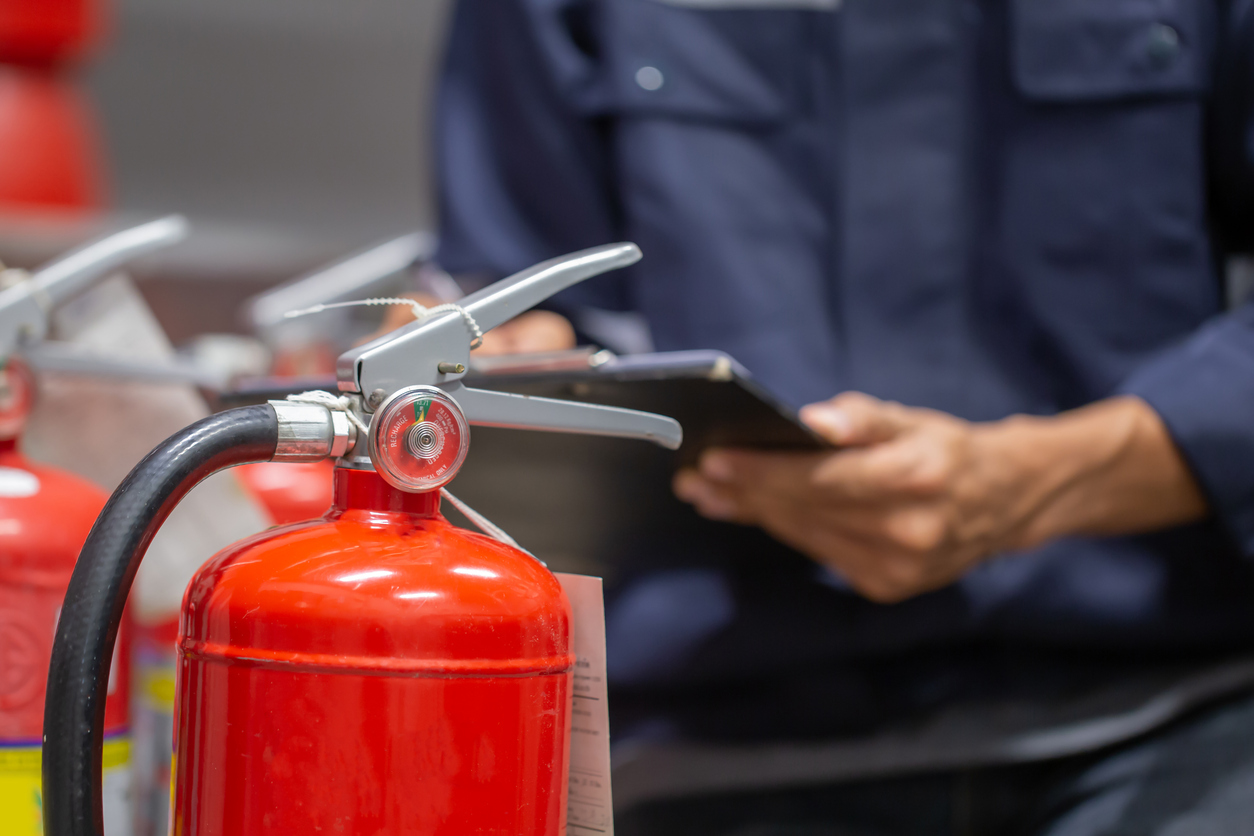
Workplace safety is a crucial aspect of any business, and one of the most critical components of safety is fire safety. Fires can happen at any time, and being prepared can make all the difference in saving lives and minimizing damage. In this comprehensive guide, we will cover the essential components of workplace fire safety to ensure that you and your employees are well-prepared in the event of a fire emergency.
Conduct a Fire Risk Assessment
Conducting a fire risk assessment is the first step in ensuring workplace fire safety. This involves identifying potential fire hazards in your workplace, such as flammable materials, faulty electrical equipment, and blocked fire exits. Creating fire strategy drawings can also support this process by mapping out escape routes, fire extinguisher locations, and emergency exits. Once you have identified these hazards, you can eliminate or minimize them to reduce the risk of a fire breaking out.
Install Fire Detection and Suppression Systems
Having reliable fire detection and fire protection systems in place is crucial for early detection and containment of fires. This includes smoke detectors, fire alarms, and sprinkler systems. Regular maintenance and testing of these systems are essential to ensure they are functioning correctly in the event of a fire emergency.
Implement Fire Safety Training
All employees should receive thorough fire safety training to ensure they know how to respond in the event of a fire emergency. This includes knowing the location of fire exits, how to operate fire extinguishers, and the evacuation procedures. Regular fire drills should also be conducted to practice these procedures and ensure everyone knows what to do in a real-life fire emergency.
Keep Fire Exits Clear and Accessible
It is essential to keep all fire exits clear and accessible at all times. This means not blocking exits with equipment or other obstacles and ensuring that exit doors are not locked during business hours. In the event of a fire, quick and easy access to fire exits can mean the difference between life and death.
Develop an Emergency Response Plan
Having a comprehensive emergency response plan in place is crucial for effectively managing a fire emergency. This plan should be informed by comprehensive, expert fire risk assessments, which help identify potential hazards and guide the development of appropriate safety measures. It should also outline roles and responsibilities for employees, evacuation procedures, and communication protocols. Regularly review and update the emergency response plan to ensure it remains relevant and effective in the event of a fire emergency
In conclusion, workplace fire safety is a crucial aspect of overall workplace safety that should not be overlooked. By conducting a fire risk assessment, installing fire detection and suppression systems, implementing fire safety training, keeping fire exits clear and accessible, and developing an emergency response plan, you can help ensure the safety of your employees and minimize the risk of fire incidents in your workplace. Remember, being prepared is key when it comes to fire safety, so take the necessary steps to protect your employees and your business from the devastating effects of a fire emergency.

