As a restaurant owner, one of the key aspects of running a successful establishment is maintaining a well-organized food storage system. Proper organization ensures that your ingredients stay fresh and safe to consume and helps streamline your kitchen operations. This blog post will share some essential tips for organizing food storage to help you create an efficient and effective system.
Utilize the FIFO (Utilize First-In-First-Out) Method
The FIFO method is not only important for keeping your inventory organized but also for preventing food waste. By implementing this system in your household or restaurant, you can ensure that older ingredients are utilized before newer ones. This means that you can reduce the risk of expiring food items before you can use them, ultimately saving you money and reducing waste. Don’t forget to label all containers with dates of receipt and expiration to track which ingredients need to be used first. With a little effort, utilizing the FIFO method can make all the difference in your food storage system.
Categorize and Label Everything
Categorizing and labeling everything in your food storage area is essential for maintaining a clean and well-organized kitchen. By grouping ingredients into categories such as dairy, produce, and dry goods, you can easily find what you need when cooking or baking. Clear containers coupled with clear, easy-to-read labels will go a long way in helping you quickly identify what each container holds. This practice saves you time and prevents confusion among staff members during restocking and ingredient use. Furthermore, categorizing and labeling your food storage area helps reduce the risk of cross-contamination, ensuring the safety and quality of your food.
Invest in Proper Shelving and Storage Containers
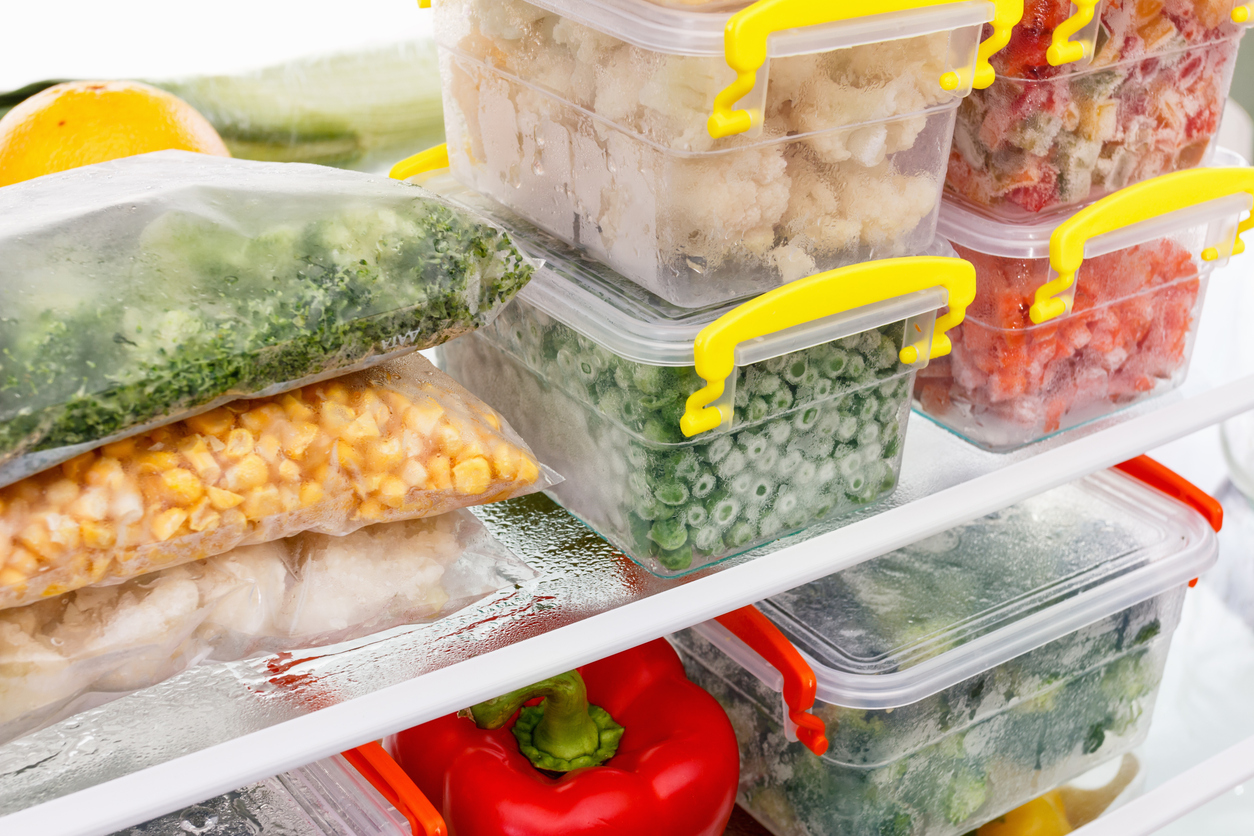
Having adequate shelving and storage containers is essential for maximizing space and keeping your food storage area organized. Invest in sturdy shelving units that can hold the weight of your supplies without collapsing. Opt for stackable containers with tight lids to keep ingredients fresh and free from contamination.
If you’re limited on space, you might consider getting creative by utilizing external refrigerated containers for your cold storage. This option can save valuable space in your kitchen and provide a separate area for temperature-sensitive items.
Maintain Cleanliness and Hygiene
Maintaining cleanliness and hygiene is crucial, especially regarding food storage. A clean and hygienic food storage area helps to prevent cross-contamination and keeps your ingredients safe from harmful bacteria and pests. Adopting a regular cleaning schedule for all surfaces in your storage area, including shelves, containers, and floors, can significantly reduce the risk of bacterial growth or pest infestation. It is essential to keep your food storage area scrubbed and disinfected to protect the health of yourself and those consuming the food. Taking the time to maintain a clean and hygienic environment will ensure that your food stays fresh and safe to consume.
With these essential tips, you can create an efficient, effective, and easy-to-maintain system for your food storage. By implementing practices such as FIFO inventory management, categorization, proper shelving, stock rotation, and cleanliness, you can streamline your kitchen operations while ensuring the freshness and safety of your ingredients. Remember that a well-organized food storage system is not only beneficial for maintaining quality standards but also plays a significant role in overall kitchen efficiency and success as a restaurant owner.

