As a restaurant owner, you understand the importance of providing excellent food and service to your customers. However, one aspect that is often overlooked but crucial to the success and longevity of your establishment is routine maintenance. In this blog post, we will discuss how regular maintenance can benefit your restaurant in many ways and help you stay ahead in a competitive industry.
Safety and Compliance
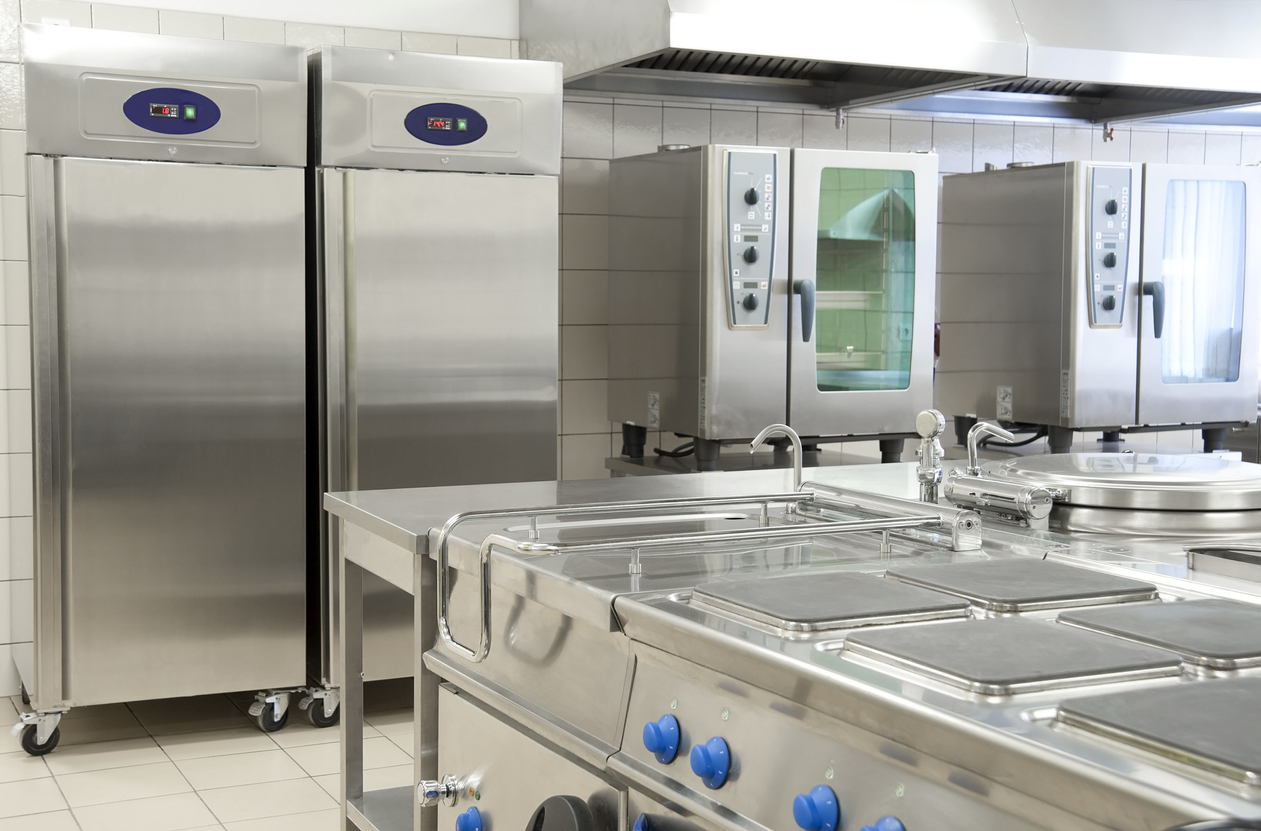
Performing regular inspections on your restaurant equipment is essential for ensuring a safe and compliant operation. Routine checks allow you to identify and address potential issues before they become serious problems, which helps prevent equipment failure and costly downtime. For example, regularly inspecting and cleaning your commercial kitchen hood can prevent grease buildup and reduce fire hazards. Similarly, investing in routine refrigeration services ensures that they are functioning correctly, avoiding spoilage and food safety violations. By integrating these inspections into your maintenance routine, you can safeguard your business and provide a reliable dining experience for your customers.
Cost Savings
While it may seem like an additional expense upfront, investing in routine maintenance can actually save you money in the long run. Consistent maintenance checks contribute to economic efficiency by minimizing unexpected breakdowns, which can result in service interruptions and loss of revenue. For instance, timely replacement of worn-out components in your commercial ovens can prevent a complete appliance failure that would disrupt service during peak hours. Similarly, regularly checking for leaks or blockages in plumbing systems can avert water damage, which might otherwise require expensive repairs. By strategically managing maintenance tasks, you can ensure the smooth operation of your restaurant, allowing you to focus on growth and customer satisfaction.
Operational Efficiency
Routine maintenance plays a pivotal role in enhancing the operational efficiency of your restaurant. By consistently servicing equipment and facilities, you reduce the risk of unexpected malfunctions that can interrupt service and slow down kitchen operations. Well-maintained equipment operates more smoothly and efficiently, which translates to faster preparation times and a quicker turnaround, ultimately improving customer satisfaction. Additionally, regular upkeep helps in maintaining a clean and organized environment, allowing your staff to work more effectively and focus on delivering exceptional service instead of dealing with avoidable breakdowns or cleanliness issues.
Reputation Management
Performing routine maintenance not only enhances the operational aspects of a restaurant but also solidifies your reputation as a conscientious and proactive manager or owner. When patrons notice that your establishment is consistently clean, safe, and efficiently run, they attribute this to effective management practices. By prioritizing regular upkeep, you demonstrate a commitment to quality and attention to detail, which builds trust and respect among both customers and staff. This dedication is likely to result in positive word-of-mouth recommendations, reinforcing your reputation as a reliable and competent leader in the industry.
Longevity and Sustainability
By committing to routine maintenance, your restaurant’s equipment will enjoy a longer lifespan and contribute to a more sustainable business model. Consistent upkeep reduces the wear and tear that leads to premature failures, allowing equipment like dishwashers and fryers to function optimally for years. For example, regularly cleaning and maintaining kitchen appliances prevents the buildup of harmful residues and ensures they operate at peak efficiency, reducing energy consumption. Additionally, scheduling routine inspections for HVAC systems helps maintain air quality and energy efficiency, cutting down on utility costs over time. This extended equipment life and improved energy usage not only curtail costs but also support environmental sustainability by reducing the demand for new resources and minimizing waste. By integrating these practices into your business strategy, you set a foundation for long-term success and eco-friendly operations.
In conclusion, routine maintenance plays a critical role in boosting the success and longevity of your restaurant. From ensuring safety compliance to saving costs in repairs and operational efficiency improvements to reputation management benefits, there are numerous advantages to prioritizing the regular upkeep of your establishment. By incorporating maintenance tasks into your operational strategy, you set yourself up for sustained success in an ever-evolving industry.

