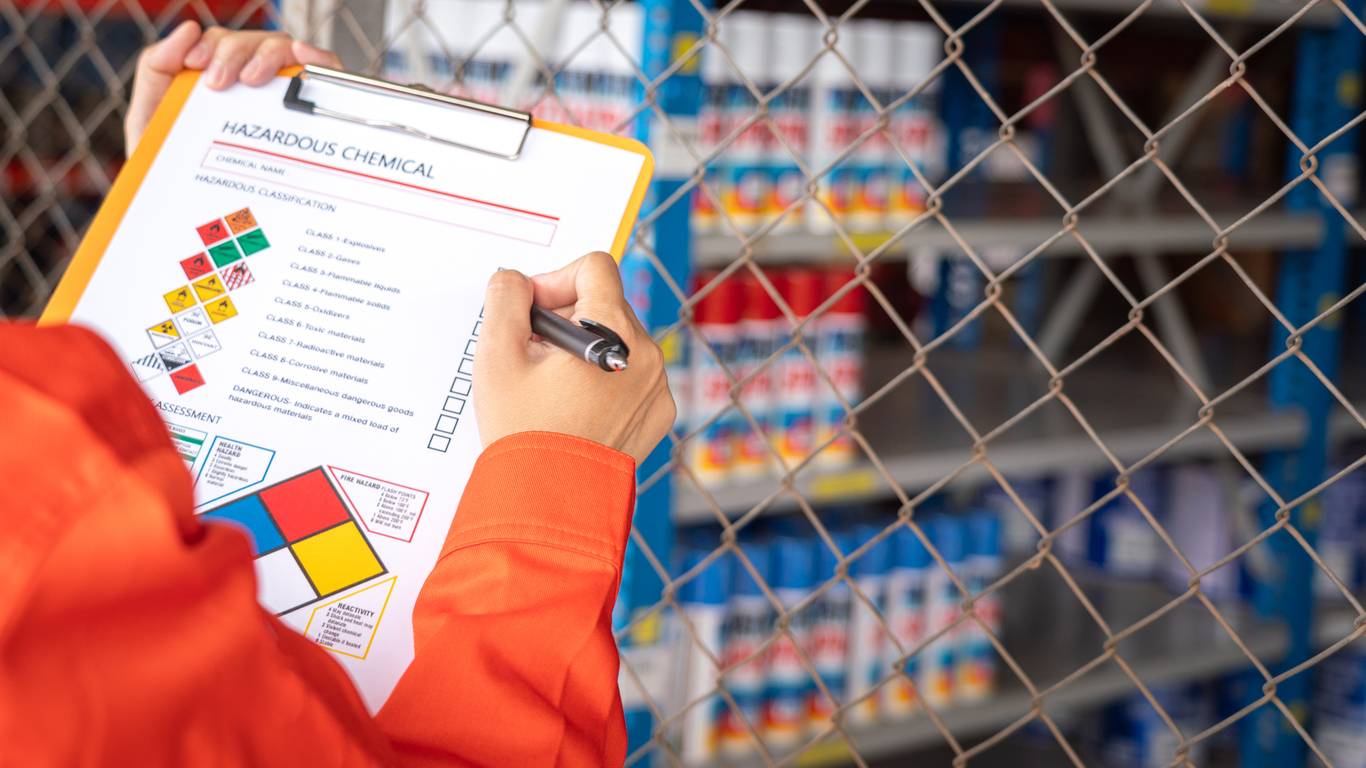
We all have those everyday items that seem harmless but could pose serious risks if not handled properly. Cleaning supplies, gardening chemicals, and even certain paints might be more dangerous than they appear. When it comes to hazardous products, simply tossing them in your garage or shed isn’t enough. Checking the labels before storing these items is a critical step that many overlook, but it can make a huge difference in ensuring safety.
So, Why Does It Matter?
If you’ve ever wondered why those warning labels are there in the first place, they’re not just for decoration! They hold essential information about the product’s potential hazards and how you should store them safely. Think about it: would you store a flammable liquid next to your water heater or a cleaning product that gives off toxic fumes in a poorly ventilated space? Probably not. But without checking the label, you might unknowingly be creating a dangerous situation.
Labels give you key details such as:
- Flammability – Some products can easily ignite, especially in warm areas or near heat sources.
- Toxicity – Certain chemicals can be harmful to your health if inhaled, ingested, or even touched.
- Reactivity – Some substances react dangerously when mixed with others or when exposed to certain environmental factors, like moisture or sunlight.
- Storage Temperature – Many hazardous products need to be stored within specific temperature ranges to remain stable and safe.
- Expiration Dates – Believe it or not, chemicals can become more dangerous as they age or degrade.
Don’t Underestimate the Danger
One of the biggest mistakes people make is underestimating how dangerous everyday products can be. It’s easy to think, “I’ve used this before without any issues,” but accidents happen, and it’s often because we skip over the small details. You need to check labels on hazardous products because they are designed to give you all the information you need to avoid those potentially life-threatening mistakes.
Ignoring these labels can lead to:
- Fire Hazards – Imagine storing gasoline or other flammable substances in an area that gets too hot. A simple spark could ignite a fire that spreads quickly.
- Health Risks – Breathing in toxic fumes from improperly stored chemicals can lead to respiratory issues, headaches, or even long-term health conditions.
- Environmental Damage – Certain products can leak or spill, contaminating the soil or water supply.
- Explosions – Yep, it happens. Some products react violently when exposed to air, heat, or other chemicals, leading to dangerous explosions.
Key Sections to Look For on Hazardous Product Labels
When you grab a product, what exactly should you be looking for on the label? It’s not always obvious at first glance, so here’s what you need to focus on:
- Signal Words – Words like “danger,” “warning,” or “caution” are your first red flags. They’re a quick way to tell just how hazardous a product is.
- Storage Instructions – This section tells you where and how the product should be stored to minimize risks. You’ll find guidelines on temperature, ventilation, and more.
- Disposal Instructions – How you get rid of hazardous products is just as important as how you store them. Incorrect disposal can be harmful to both you and the environment.
- First Aid Measures – In case of accidental exposure, labels will often include basic first aid instructions to follow.
- Precautionary Statements – These are specific warnings about what you should avoid when handling or storing the product. It could be anything from “do not mix with water” to “keep away from children.”
How to Store Hazardous Products Safely
Once you’ve checked the label, storing hazardous products safely is your next step. Proper storage in your garage can make your life easier, and it can prevent accidents and keep you and your household safe.
Here’s a quick guide:
- Choose the Right Location – Keep hazardous materials in a cool, dry, and well-ventilated area, away from direct sunlight or heat sources.
- Use Proper Containers – Always store products in their original containers, with the labels intact. This helps prevent accidental misuse.
- Keep Out of Reach – Ensure that children and pets cannot access any hazardous products. A locked cabinet or storage room is ideal.
- Separate Flammables – Don’t store flammable products near anything that could ignite them, like stoves, water heaters, or electrical equipment.
- Avoid Mixing Products – Never store chemicals that could potentially react with each other in the same space. For instance, bleach and ammonia should never be stored together, as their fumes can be deadly.
Common Mistakes to Avoid
While the importance of label-checking might seem obvious, people often make mistakes that put them at risk. Avoid these common errors:
Ignoring Expiration Dates
Even if a product looks and smells fine, it can become more dangerous as it ages.
Reusing Containers
Never transfer hazardous materials into different containers, especially food or drink containers. This is an easy way for accidents to happen.
Overlooking Ventilation
Storing toxic chemicals in an enclosed space without ventilation is a recipe for disaster. Always ensure airflow in your storage areas.
Stay Safe and Aware
At the end of the day, the extra minute it takes to check the label can prevent accidents that might otherwise have serious consequences. You don’t want to discover too late that a product you thought was harmless poses a real danger. Whether you’re storing paint, household cleaners, or industrial chemicals, knowing the risks and how to store them properly is key to keeping yourself and your home safe.
So, the next time you grab that bottle of cleaner or can of gasoline, give the label a quick read. It might just save you a lot of trouble (and possibly much worse).

