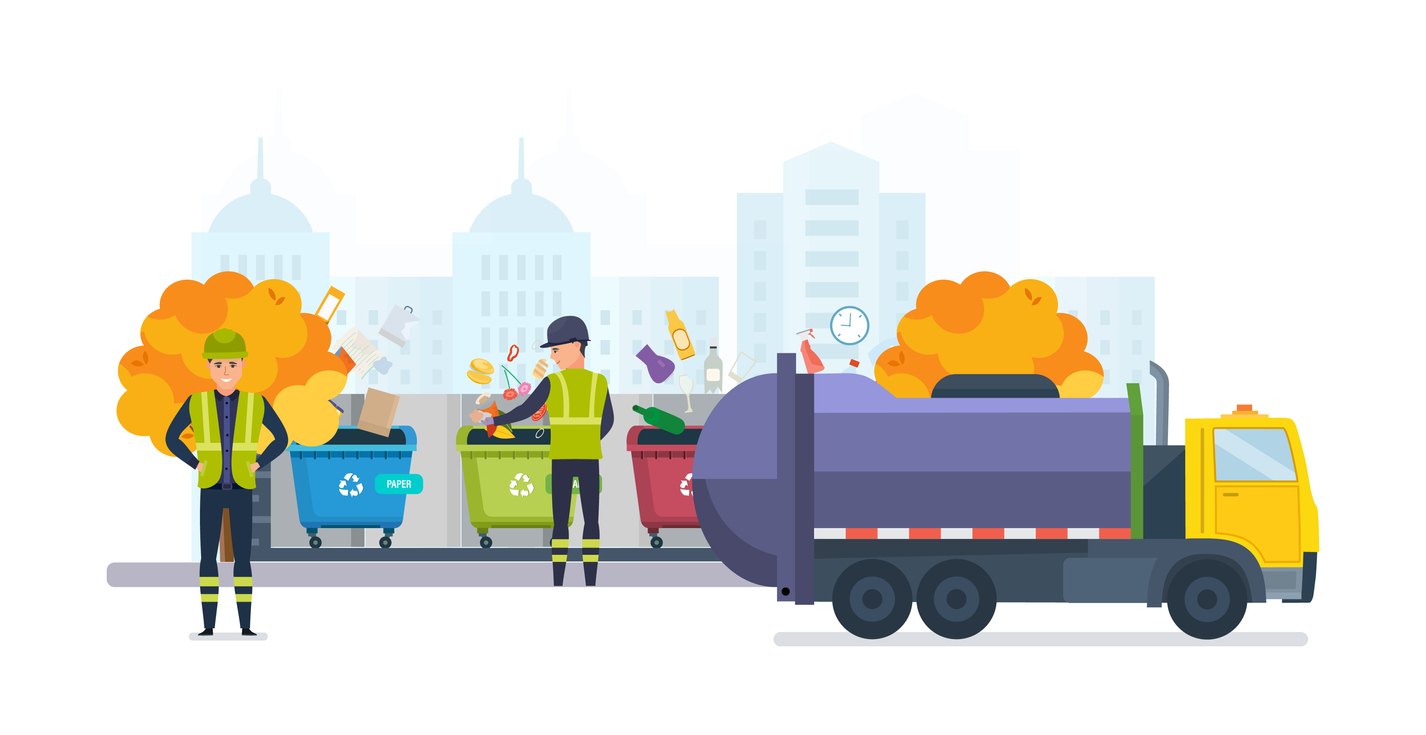
E-waste, or electronic waste, is one of the fastest-growing types of waste in the world. With an estimated 53.6 million metric tons generated globally in 2019 alone, e-waste poses a serious threat to our environment and health if not properly managed. But what most people don’t know is that e-waste can be a valuable source of materials and components that can be reused or recycled. In fact, it’s estimated that recycling one ton of cell phones can yield more gold than mining 17 tons of gold ore.
So why aren’t we doing more to recycle our e-waste? The truth is, many people simply don’t know how to get started. Here are some tips to help turn your trash into treasure through e-waste recycling.
Understand What Can Be Recycled
The first step in starting e-waste recycling is understanding which items can actually be recycled. While it may seem obvious that electronics like cell phones, computers, and TVs can be recycled, there are many other items that often get overlooked like cartridges, printers, and even small appliances. Make sure to do your research and find out what e-waste recycling options are available in your area for different types of electronics.
Note that not all electronics can be recycled and it’s good to know what cannot be included in e-waste recycling. These items include hazardous waste such as batteries, fluorescent light bulbs, and certain types of chemicals found in electronics. Be sure to dispose of these items properly through designated programs or drop-off locations to ensure they don’t harm the environment.
Find a Reputable Recycler
Once you know what can be recycled, you need to find a reputable recycler who follows proper recycling practices, like someone at Didion Orf Recycling Inc. This means looking for specific certifications, partnerships, and facilities that the recycler uses. These certifications ensure that the recycler is using environmentally responsible methods for processing e-waste and not contributing to the global e-waste crisis. Look for certifications such as e-Stewards, R2/RIOS, and ISO 14001.
Consider Refurbishing or Reusing
Before sending your electronics off for recycling, consider if they can be refurbished or reused. Many charities and organizations accept donations of old electronic devices that are still in working condition. This not only helps reduce e-waste but also provides valuable resources to those who may not have access to newer technology.
Some companies also offer buyback programs for old electronics, where they will purchase your old device from you and either refurbish it for resale or recycle it responsibly. This is a great way to not only get rid of your old electronics but also potentially earn some money back in the process.
Properly Handle Data Destruction
One of the biggest concerns with recycling electronics is the potential exposure of personal data. Before recycling any device, make sure all sensitive information has been properly deleted or destroyed. Some recyclers offer secure data destruction services, so be sure to inquire about this before handing over your electronics.
If personal data is not properly purged from electronic devices before recycling, it could potentially fall into the wrong hands. This can lead to identity theft, financial fraud, and other privacy breaches. Don’t forget to take the necessary steps to protect your personal information by properly destroying all data on your devices before recycling them.
Encourage Others to Recycle, Too
The more people who participate in e-waste recycling, the bigger impact we can make in reducing the global e-waste crisis. Spread the word about the importance of recycling electronics and share your knowledge with friends, family, and colleagues. You can also consider organizing an e-waste collection event or partnering with local organizations to increase awareness and accessibility to recycling options.
Turning trash into treasure through e-waste recycling not only benefits our environment but also has economic benefits by conserving resources and creating jobs in the recycling industry. By following these tips and making a conscious effort to recycle our electronic devices, we can all play a part in creating a more sustainable future. So next time you upgrade your phone or computer, remember to recycle your old one—because one person’s trash truly can be another’s treasure.

