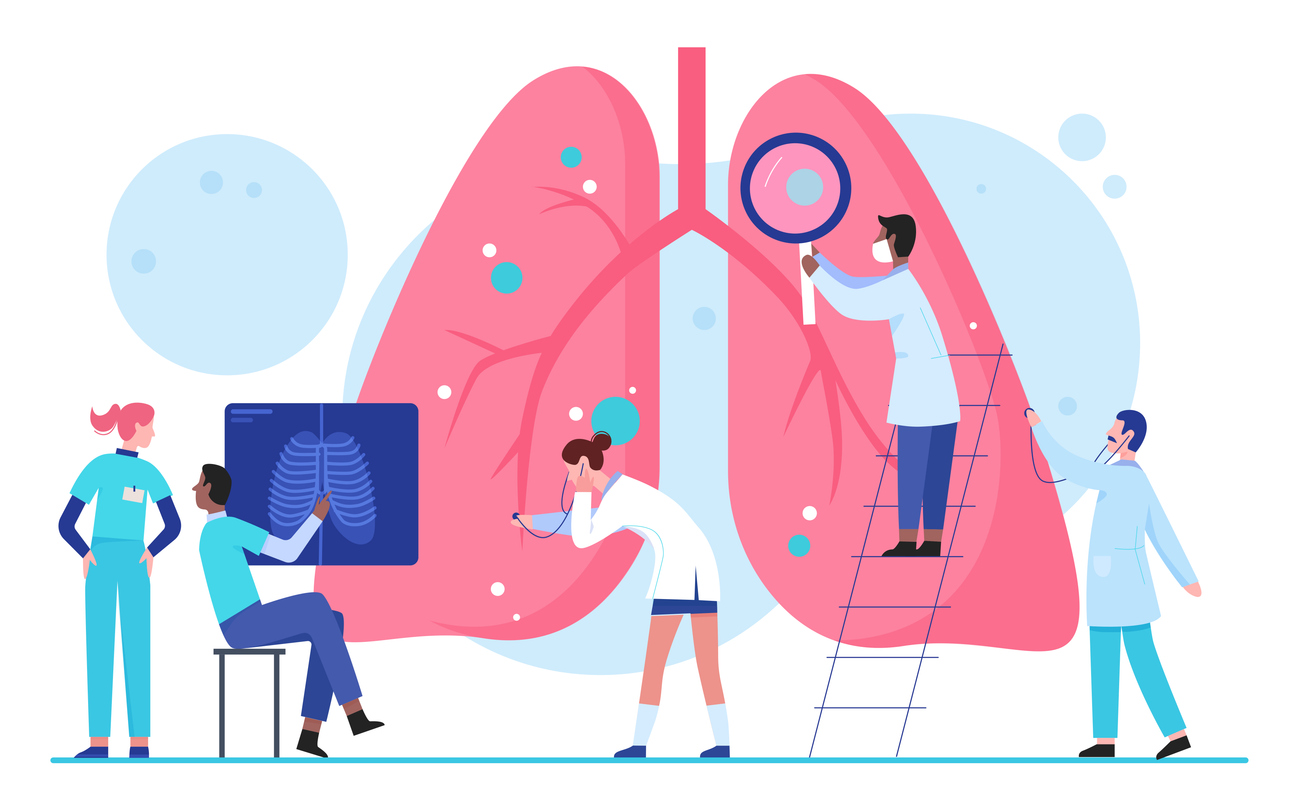
Digital innovations are revolutionizing the way care is provided, managed, and experienced, causing a profound upheaval in the healthcare sector. Technology is closing gaps in accessibility and quality while cutting costs, from telemedicine putting care at patients’ fingertips to artificial intelligence (AI) revolutionizing diagnostics. These developments not only solve enduring problems but also pave the way for individualized, effective, and prophylactic healthcare solutions. A future where healthcare is more proactive, inclusive, and efficient than ever before is being shaped by this evolution, which is being driven by data-driven insights and technological advancements.
The Rise of Telemedicine
One of the biggest developments in the healthcare industry is telemedicine. Through the use of mobile apps, video conferencing, and remote monitoring tools, patients can now consult with doctors from anywhere in the world. Since they no longer have to travel great distances for consultations, this has been especially life-changing for people who live in rural areas or have mobility issues. The use of telemedicine increased dramatically during the COVID-19 pandemic, demonstrating its ability to deliver timely care while lowering exposure risks. These days, it incorporates functions like AI-powered chatbots for preliminary evaluations and remote diagnostic tools that instantly gather patient data. Cost and convenience concerns are being addressed by the broad use of telemedicine. Virtual consultations can drastically cut down on wait times and are frequently less expensive than in-person visits.
Artificial Intelligence in Diagnostics and Treatment
By increasing the speed and precision of diagnostics, artificial intelligence is revolutionizing the healthcare industry. These days, algorithms that have been trained on enormous datasets can detect diseases like cancer or heart conditions with a level of accuracy that frequently exceeds that of humans. For example, AI-driven technologies can analyze medical imaging, including MRIs and X-rays, faster and more accurately than conventional techniques, allowing for the early identification of diseases. AI is also being utilized in genomics to create individualized treatment regimens and find genetic predispositions to specific diseases. AI is changing treatment approaches in addition to diagnostics. AI-powered tools are being created to help with surgery, where machine learning-guided robotic systems can carry out complex operations more precisely and safely.
The Digital Front Door in Healthcare
Central to this transformation is the concept of the digital front door strategy, which serves as a unified platform for patients to access healthcare services seamlessly. This innovative approach integrates tools such as mobile apps, patient portals, and virtual consultations, making healthcare more accessible and convenient. By offering a single access point, the digital front door empowers patients to book appointments, communicate with providers, and manage their health records from the comfort of their homes. It also leverages data analytics and AI to personalize the healthcare journey, ensuring that patients receive timely and tailored care. This approach enhances patient engagement, improves outcomes, and streamlines administrative processes, making it a cornerstone of modern healthcare delivery.
Big Data and Predictive Analytics
Every day, the healthcare sector produces vast amounts of data, ranging from clinical research findings to patient records. These days, big data analytics is being used to transform this data into insights that can be put to use, enhancing patient care and expediting processes. Specifically, predictive analytics assists providers in anticipating health trends and making informed decisions. For instance, hospitals can forecast possible disease outbreaks and adjust resource allocation by examining trends in patient data. Additionally, big data is essential to personalized medicine. Healthcare professionals can develop individualized treatment plans for patients by looking at lifestyle, environmental, and genetic factors. In oncology, where tailored treatments based on a patient’s genetic profile are producing better results, this strategy is particularly effective.
Wearable Technology and Remote Monitoring
Another innovative advancement in the medical field is wearable technology. Nowadays, gadgets like fitness trackers and smartwatches do more than just count steps; they also keep an eye on vital signs like oxygen levels, heart rates, and even sleep patterns. People can take control of their health and identify possible health problems early thanks to this real-time data. A wearable gadget, for instance, can notify a user of abnormal heartbeats, encouraging them to get help before a condition gets worse. Chronic disease management is another area where remote monitoring tools are proving to be extremely helpful. Devices that monitor health metrics and transmit information to healthcare providers are available to patients with diabetes, asthma, and COPD.
The Promise of Blockchain in Healthcare
Blockchain technology is becoming more and more popular as a remedy for some of the most important problems facing the healthcare sector, especially those on data security and interoperability. Blockchain guarantees that patient data is safe and only accessible by authorized parties by establishing a decentralized, impenetrable system. In a time when data breaches are becoming a bigger worry, this is crucial. Additionally, blockchain can make it easier for various healthcare providers to share medical records, enhancing continuity of care and cutting down on unnecessary testing. Blockchain is improving transparency in domains like drug supply chains and clinical trials in addition to security. Blockchain technology can be used by researchers to protect trial data integrity, increasing the validity and dependability of their findings.
The healthcare sector is undergoing unprecedented change as a result of the digital revolution, becoming more patient-centered, accessible, and efficient. These innovations are solving long-standing problems and opening up new possibilities, from the ease of telemedicine and the accuracy of AI in diagnostics to the insights gained from big data and the security provided by blockchain. As these technologies develop further, they have the potential to close gaps in the provision of care, enhance results, and provide people with more authority over their health. Unquestionably, digital healthcare is the way of the future, and it has the potential to improve lives everywhere.

