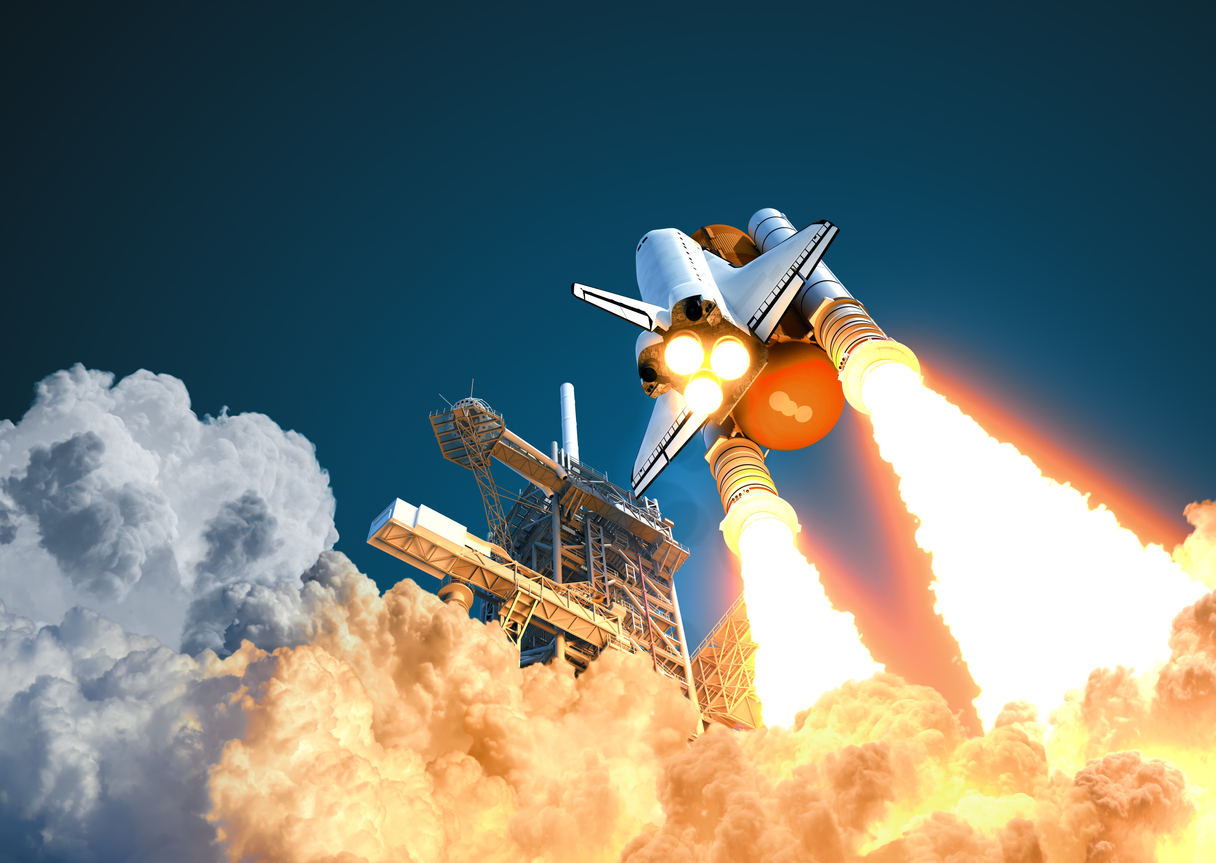
The race to expand human presence beyond Earth is accelerating, creating a need for highly skilled space engineering and technology professionals. From creating artificial intelligence for autonomous spacecraft to constructing next-generation propulsion systems, the discipline presents numerous opportunities for individuals with the right expertise. Investing extensively in innovative ideas, private space firms, and government organizations helps to drive the demand for engineers, scientists, and technological experts to turn ambitious concepts into reality. Those who work in the increasingly commercialized field of space exploration will help define the course of humanity beyond Earth.
Engineering the Future of Spacecraft and Launch Systems
Modern technical solutions based on which space exploration depends enhance spacecraft performance, efficiency, and safety. Working on propulsion systems, aerodynamics, and structural integrity, aerospace engineers make sure rockets and space vehicles can survive harsh environments. New advances in reusable rocket technology have transformed launch capacity, therefore lowering prices and improving access to orbit. Advanced propulsion techniques, including ion thrusters and nuclear propulsion, are motivated by the growing interest in deep-space exploration and planetary missions. Material science-oriented engineers are creating lightweight, heat-resistant parts that improve spacecraft lifetime. Rapid technology developments allow space engineering positions to change and offer opportunities to work on innovative projects stretching the boundaries of human ingenuity.
The Role of Robotics and Artificial Intelligence in Space Missions
Space exploration relies heavily on autonomous systems, which allow spacecraft to operate independently in harsh environments. Robotic arms, rovers, and self-repairing spaceships able to negotiate extraterrestrial surfaces, undertake scientific exploration, and maintain space stations are created by robotics engineers. Processing enormous volumes of data, AI-powered systems enable real-time decisions and flexible answers to unanticipated problems. From autonomous docking events to automated satellite deployments, advances in machine learning are enhancing the efficiency of space-based activities. The demand for people skilled in artificial intelligence and robotics will keep rising as deep-space missions get more ambitious.
Expanding Infrastructure with Space Habitats and Orbital Stations
Plans for lunar and Martian colonization, as well as long-term space missions, have sharpened the emphasis on building sustainable habitats beyond Earth. Structural design, life-support systems, and radiation shielding engineers are creating space habitats able to sustain human life for long stretches. Innovations in inflatable habitat modules and in-situ resource use let local materials create self-sustaining ecosystems. Another expanding area in space engineering is the building of orbital stations and space-based research facilities. Working together, scientists and engineers create modular stations with laboratories, power systems, and communication networks. These structures serve as platforms for scientific experiments, medical research, and commercial operations. As space agencies and commercial enterprises strive toward long-term human presence beyond Earth, the demand for qualified experts in habitat engineering and space infrastructure development is rising.
The Growing Impact of Satellites and Space-Based Technologies
In scientific research, navigation, climate monitoring, and communication, satellites are absolutely indispensable. Miniaturized satellite systems created by engineers and technologists offer worldwide communication, real-time data transfer, and high-resolution photography. The rise of satellite constellations for broadband internet and remote sensing has opened doors for employment in satellite design, data analytics, and mission control operations. Maintaining a useful and sustainable space environment depends on developments in satellite propulsion, orbital mechanics, and space debris mitigation. Working on technologies that maximize satellite lifetime and efficiency, engineers in this discipline guarantee consistent functioning in Earth’s orbit and beyond. The rising demand for qualified experts who can create and oversee these vital space-based technologies results from the steady expansion of the satellite sector.
Shaping the Future with Innovation and Exploration
Innovation drives the space sector; engineers and technologists are always creating fresh approaches to improve exploration capacity. Research into asteroid mining, lunar resource extraction, and interstellar travel is influencing the next generation of space technology. Emerging businesses in space tourism and space-based manufacturing need specific knowledge in materials science, propulsion, and human factors engineering. Pursuing space careers provides an opportunity to contribute to ground-breaking discoveries and innovations redefining humanity’s relationship with the planet. Designing missions that increase scientific understanding and technical capability depends significantly on those with knowledge of engineering, computer science, and physics.
Conclusion
As space exploration advances and becomes more financially motivated, the need for qualified experts in space engineering and technology is growing. Careers in this field provide the opportunity to work on innovative projects that influence humanity’s future beyond Earth, with opportunities ranging from spacecraft development to AI-powered robotics. Those who enter this industry will play an important role in creating the infrastructure, technologies, and systems that will propel space exploration into new frontiers.

