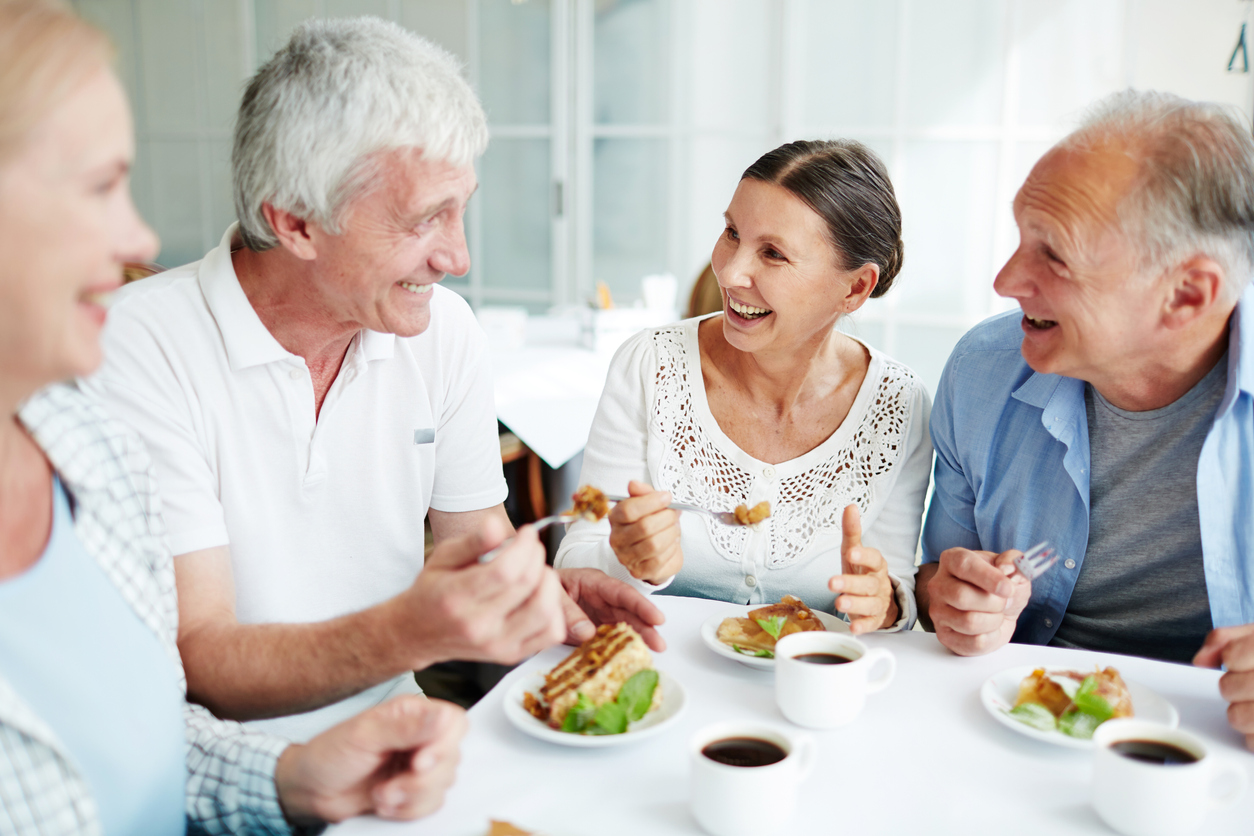
As many seniors today seize the possibilities presented by active living communities, they are more active and involved than they were years before. These communities give people a space to maintain an independent, happy way of life while gaining from the services and support required. Emphasizing both physical and emotional health, active living communities are redefining what it means to age gracefully. They create settings where elders flourish, savoring the best of both worlds: security and freedom, all within a loving, sociable, dynamic environment.
1: Creating Social Connections That Foster Emotional Health
Building Supportive Relationships Through Shared Activities
At the heart of active living communities is the power of connection. As they age, many seniors suffer from loneliness and isolation, which can have negative impacts on their health. Active living communities give lots of chances for social connection by providing organized events and shared areas. These settings create deep connections whether one is engaged in a hobby, attending fitness courses, or just having coffee with neighbors. Seniors who surround themselves with a network of peers who have gone through comparable events build close social ties that help to lower isolation and improve emotional well-being.
Encouraging Family and Intergenerational Interactions
Socializing in these communities transcends peer relationships. Many active living facilities promote intergenerational contacts, which brings a sense of vibrancy and diversity. For example, volunteer projects or partnerships with local schools allow the elderly to interact with younger generations. While elders welcome the vitality and fresh perspective of younger guests, young individuals gain wisdom and perspective from the seniors, therefore benefiting both sides of these interactions. These deep relationships provide seniors with chances for lifetime learning and support their mental health, therefore adding a layer of richness to daily life.
2: Promoting Physical Fitness and Health through Tailored Programs
Structured Fitness Classes Designed for Seniors’ Needs
Active living communities stress strongly on preserving physical health since they know that longevity depends on staying active. Many localities provide low-impact exercise sessions, including yoga, swimming, and walking groups, especially for seniors. These activities are designed to accommodate older individuals’ physical limitations, therefore making sure they stay involved in fitness without stretching their limits. Frequent involvement in such programs not only increases strength and flexibility but also improves balance and coordination, therefore lowering the fall risk. This organized support motivates seniors to take control of their physical condition in secure and conducive surroundings.
Access to Personalized Health Services and Wellness Checks
Apart from group fitness programs, active living communities sometimes give access to a spectrum of individualized health treatments. For those with chronic illnesses or limited mobility, many quality senior living Sacramento communities provide wellness visits, on-site medical personnel, and even specific therapies. Easy access to medical professionals guarantees that seniors living in these surroundings have their health needs consistently satisfied, therefore offering peace of mind. These communities create an environment where seniors may concentrate on their well-being and be free from medical emergencies or lack of appropriate care by providing both proactive and reactive healthcare services.
3: Cultivating Purpose and Mental Stimulation Through Engaging Activities
Lifelong Learning and Creative Pursuits
Maintaining cognitive ability as you age depends mostly on mental stimulation; hence, active living communities offer lots of chances for ongoing education and creativity. These groups provide a range of educational opportunities, ranging from technology courses and historical lectures to art lessons and music seminars. Learning new abilities or pursuing artistic interests not only helps seniors prevent cognitive decline but also gives them brain activity. Whether they are learning to play a musical instrument or attending a book club, these events give seniors the means to pursue their interests, develop new talents, and stay mentally sharp.
Volunteer and Purpose-Building Opportunities
Apart from leisure pursuits, active living communities often offer volunteer opportunities for elderly people so they may benefit the broader community. Senior volunteers who participate meaningfully find fulfillment and purpose, therefore strengthening their sense of value and contribution. Seniors find ways to be active and involved in their greater community, whether it means helping with neighborhood gardening, supporting nearby businesses, or volunteering at local schools. The overall mental health of a senior depends on this sense of direction; it promotes self-worth and satisfaction.
Conclusion
Active living communities are transforming the senior living experience by providing more than just a place to live. These complete surroundings help elders’ mental, physical, and emotional well-being. From building robust social networks to advocating healthy living via fitness and wellness initiatives, communities allow seniors to thrive. In addition to offering easy access to health services that meet individual needs, they also present an opportunity to maintain mental engagement through lifelong learning and meaningful activities. Active living communities help seniors to lead active, happy lives, therefore ensuring that aging is not only a stage of life but also a continuous path of development and connection.

