Introduction
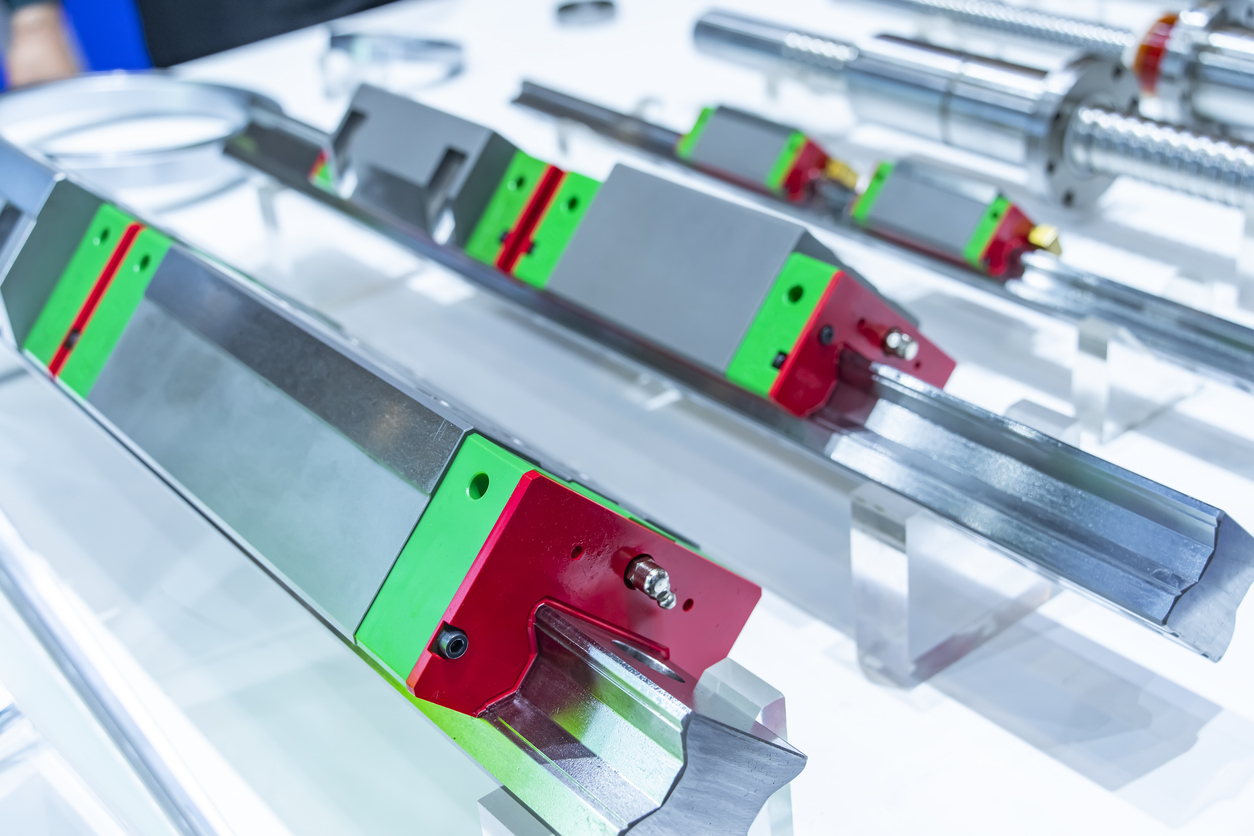
In the competitive landscape of modern industry, businesses are constantly seeking ways to enhance efficiency and accuracy in their operations. One critical component that significantly contributes to these goals is the linear guide. Linear guides are essential for the smooth and precise movement of machine parts, playing a pivotal role in various applications across multiple industries. This article explores the business advantages of investing in high-quality linear guides, highlighting their benefits, applications, and key considerations for selection.
Enhancing Operational Efficiency
High-quality linear guide rails are designed to minimize friction and wear, which are common issues in machinery that can lead to inefficiencies and increased maintenance costs. By reducing friction, linear guides ensure smoother movement of components, leading to faster and more reliable operations. This reduction in wear also means that machines can operate for longer periods without the need for frequent maintenance, thereby increasing overall productivity.
Improving Speed and Performance
Efficiency in industrial operations is often measured by the speed and performance of machinery. Linear guides contribute to these metrics by enabling rapid and precise movement of machine parts. This capability is particularly important in automated systems where speed and accuracy are crucial for maintaining high production rates.
Maintaining Consistent Quality
Precision and accuracy are paramount in industries such as aerospace, medical devices, and semiconductor manufacturing, where even minor deviations can result in significant errors. Linear guides provide the necessary stability and control to maintain consistent quality in these applications. By ensuring precise linear movement, linear guides help in achieving the exact positioning required for intricate tasks, thereby reducing the likelihood of defects and enhancing product quality.
Enhancing Repeatability
Repeatability is the ability of a machine to perform the same operation multiple times with minimal variation. This is a critical factor in mass production environments where consistency is key. Linear guides play a vital role in enhancing repeatability by providing stable and predictable movement. This stability ensures that each operation is performed with the same level of precision, leading to uniformity in the final products and reducing the need for rework.
Conclusion
Quality linear guides are a fundamental component in many industries, providing the precision, efficiency, and reliability needed for sustained growth. When selecting linear guides, it is essential to consider factors such as load capacity, environmental conditions, and maintenance requirements to ensure optimal performance. Investing in high-quality linear guides is a strategic decision that can lead to long-term reliability and success in various industrial applications.

