Taking a deep breath is something most of us do without a second thought. But for millions of people around the world, breathing isn’t always so simple. Conditions that affect the lungs can make it hard to get enough oxygen, which can make daily life a real challenge.
Thankfully, advancements in medical technology are here to help. If you or a loved one needs extra oxygen, you’ve likely heard of a device called an oxygen concentrator. This article will answer the big question in the simplest way possible: how does an oxygen concentrator work?
We’ll explore the cool science behind these life-changing machines, like the 1-3L/Min Portable Oxygen Concentrator, which provides a modern solution to this challenge. By the end, you’ll understand exactly how this device turns the air around you into the clean, fresh oxygen you need.
What is an Oxygen Concentrator?
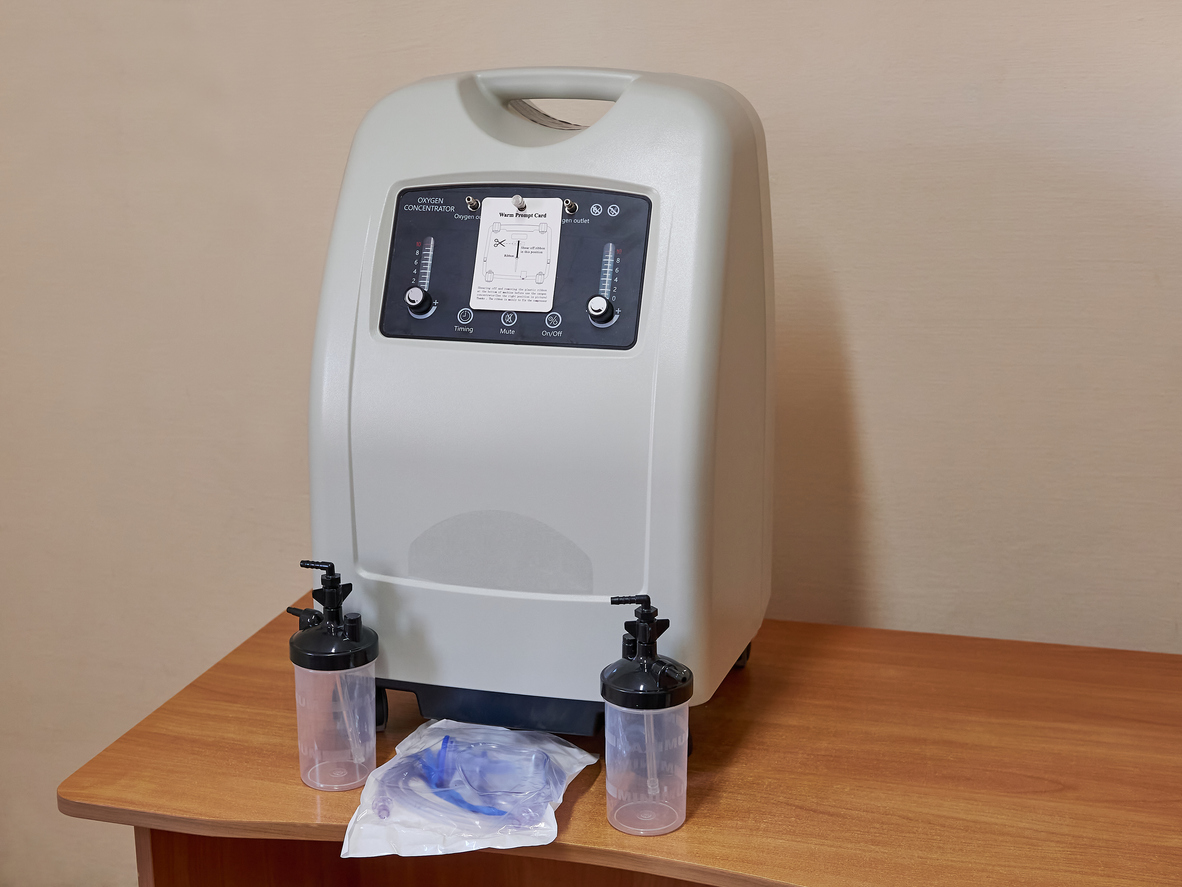
First things first, let’s talk about what an oxygen concentrator is. Think of it as a special air filter. It’s a medical device that takes in the air, removes the unnecessary stuff, and gives you a steady stream of concentrated oxygen to breathe.
Now, you might be thinking of those big, heavy oxygen tanks. An oxygen concentrator is very different. A tank holds a limited amount of oxygen, so it needs to be refilled or replaced. This can be a hassle and can limit your freedom.
An oxygen concentrator, on the other hand, never runs out of oxygen because it makes its own from the air around you. This means you get a continuous supply without worrying about refills. There are two main types. There are the larger stationary models for home use. Then there are the smaller portable models designed for people on the go.
The Science Behind the Machine: How Does an Oxygen Concentrator Work?
So, how does this machine perform such a cool trick? It’s all thanks to a clever process. Let’s break down how an oxygen concentrator works in a few simple steps. The whole process is called Pressure Swing Adsorption, or PSA for short.
Step 1: Taking in Ambient Air
First, the machine quietly draws in the regular air from the room around it, also known as ambient air. This air is a mix of different gases. It’s mostly nitrogen (about 78%) and only about 21% oxygen, with small amounts of other gases.
Step 2: Compression and Filtration
Next, the machine has a small air compressor inside. This compressor squeezes the air and pushes it through a series of filters. These filters are important because they clean the air by removing dust, pollen, and other tiny particles. This means you are getting pure air from the machine.
Step 3: The Role of Sieve Beds and Zeolite
This is where the real magic happens. The clean, compressed air is then pushed into two special canisters called sieve beds. These beds are filled with a porous material called zeolite. Think of zeolite as a molecular sieve with tiny holes that are the perfect size to trap nitrogen molecules.
Step 4: Separating the Gases
As the air moves through the zeolite, the nitrogen gets stuck, or adsorbed, by the zeolite. This leaves the oxygen, which is made of bigger molecules that can’t fit into the zeolite’s traps. The oxygen passes right through, becoming highly concentrated. This process allows the machine to deliver oxygen that is up to 95% pure.
Step 5: The “Swing” in Pressure Swing Adsorption
You might be wondering why there are two sieve beds. This is what makes the process continuous. While the first sieve bed is busy trapping nitrogen and releasing oxygen, the machine reduces the pressure in the second sieve bed. This pressure drop, or “swing,” causes the second bed to release all the nitrogen it previously captured back into the room.
The machine constantly switches back and forth between the two beds. One is always collecting nitrogen while the other is clearing itself out. This clever cycle helps to maintain an uninterrupted flow of pure oxygen for the user.
Step 6: Delivery to the User
Finally, the concentrated oxygen is ready. It flows out of the machine through a thin tube and is delivered to you through a lightweight nasal cannula or an oxygen mask. You can set the flow rate on the machine to get the exact amount of oxygen your doctor prescribed.
The Key Components of an Oxygen Concentrator
Understanding the main parts of an oxygen concentrator can make it even clearer how it all works together. Each component has a special job to do.
- Air Compressor: This is the engine of the device. It’s responsible for pulling in room air and squeezing it to the right pressure for the separation process to work.
- Sieve Beds: These are the two cylinders that are the heart of the machine. They contain the zeolite. This is where the nitrogen is removed from the air. Think of them as the lungs of the concentrator.
- Zeolite: This is the special filtering material inside the sieve beds. Its unique properties allow it to act like a chemical filter, specifically trapping nitrogen molecules.
- Filters: Before air even gets to the sieve beds, it passes through cabinet filters that clean out dust and other particles. This protects the inside of the machine and gives you clean air.
- Cooling System: Because the compressor works hard, it can get warm. A small fan or cooling system keeps the device from overheating, making sure it runs safely and efficiently.
- Nasal Cannula/Mask: This is how the oxygen gets from the machine to you. A nasal cannula is a small plastic tube with two prongs that sit just inside your nostrils. A mask fits over your nose and mouth, but it does the same thing as the cannula.
- Electronic Interface: This is the control panel of the device. It’s where you turn the machine on, set the oxygen flow rate, and see any alerts. In modern devices, this is a very user-friendly interface that is simple to operate.
The Benefits of Using a Portable Oxygen Concentrator
Now that you know how the machine works, it’s easy to see why so many people prefer a portable oxygen concentrator. The technology inside these small devices offers incredible freedom and peace of mind.
One of the biggest benefits is portability and freedom. A lightweight, portable oxygen concentrator means you’re not tied to your home. You can go shopping, visit family, all while receiving your oxygen therapy.
Another major advantage is cost-effectiveness. With an oxygen concentrator, there are no tanks to refill. This removes the cost of refilling oxygen tanks, saving you a lot of money over time.
You also get a continuous supply of oxygen. As long as the device has power from a wall outlet or its battery, it will produce oxygen. You never have to worry about your tank running low or running out unexpectedly. This will give you a great sense of security.
These devices are built for safety. Oxygen tanks are pressurized, which can be risky if they are damaged or mishandled. Concentrators produce oxygen as needed, eliminating the risks associated with storing compressed oxygen.
Finally, modern units are designed for quiet operation. Some portable concentrators, like ours, operate at a noise level below 35dB. That’s about as quiet as a whisper. This means you can use it without disturbing yourself or others, whether you’re at home, in a library, or at a restaurant.
Who Needs an Oxygen Concentrator?
So, who typically uses these devices? People who need supplemental oxygen often have a medical condition that makes it difficult for their lungs to absorb enough oxygen from the air. This is a key part of oxygen therapy.
Some of the most common respiratory conditions include:
- Chronic Obstructive Pulmonary Disease (COPD): This is a group of lung diseases that block airflow and make it difficult to breathe.
- Hypoxemia: This is a condition where you have low oxygen saturation levels in your blood. An oxygen concentrator helps bring these levels back to a healthy range.
- Other conditions like severe asthma, cystic fibrosis, or sleep apnea can also require the use of an oxygen machine.
Disclaimer: An oxygen concentrator is a medical device and should only be used under the guidance of a doctor. You must consult with a healthcare professional to see if oxygen therapy is right for you and to get a proper prescription.
Frequently Asked Questions (FAQs)
Getting the right information is key to feeling confident about your health. We’ve compiled clear, straightforward answers to the most important questions. Here is everything you need to know about choosing and using an oxygen concentrator.
1. Do I need a prescription for an oxygen concentrator?
Yes, a prescription is required. Oxygen is considered a medical treatment, and a doctor must determine the correct flow rate to ensure you are receiving the right amount of oxygen for your specific health needs.
2. What is the main difference between an oxygen concentrator and an oxygen tank?
An oxygen concentrator creates its own oxygen by filtering the surrounding air, so it never needs refilling. An oxygen tank holds a fixed supply of compressed oxygen and must be replaced or refilled when it runs empty.
3. Can I use an oxygen concentrator 24/7?
Yes, both home and some portable oxygen concentrators are designed for continuous use, 24 hours a day, 7 days a week. They are built to be durable and reliable for patients who need constant oxygen therapy.
4. How much electricity does an oxygen concentrator use?
Most home oxygen concentrators use a similar amount of electricity to a small refrigerator, typically between 300 to 600 watts per hour. This can add a noticeable amount to your monthly utility bill with continuous use.
5. How do I maintain my oxygen concentrator?
Maintenance is simple. You don’t need to clean the filter because of its high-tech self-cleaning feature. Some units may require you to occasionally wipe down the exterior with a damp cloth.
6. Can I travel with a portable oxygen concentrator?
Absolutely. Most portable oxygen concentrators are FAA-approved for use on airplanes. Their compact design and long-lasting batteries are specifically made for travel, giving you the freedom to go almost anywhere you need to go.
7. Can I use an oxygen concentrator if I have sleep apnea?
Yes, but it must be used in conjunction with your CPAP or BiPAP machine. The oxygen is bled into your CPAP tube, allowing you to receive both pressurized air and supplemental oxygen while you sleep.
8. Do oxygen concentrators produce 100% pure oxygen?
No, medical-grade oxygen concentrators produce oxygen with a purity level of about 90-96%. This level is perfectly suitable for most medical needs and is the standard for home oxygen therapy devices approved by health authorities.
9. What is the difference between pulse dose and continuous flow?
Continuous flow provides a steady, constant stream of oxygen. Pulse dose is more advanced, delivering oxygen only when you inhale. This makes portable units lighter and gives them a much longer battery life.
10. Can I smoke or be near an open flame while using an oxygen concentrator?
No, absolutely not. While oxygen itself is not flammable, it makes other materials burn much faster and hotter. Smoking or being near an open flame while using oxygen is extremely dangerous and can cause a fire.
The Future of Oxygen Therapy
The technology behind the oxygen concentrator is truly remarkable. By using a simple yet brilliant process, this device provides a limitless supply of oxygen. This gives freedom and a better quality of life to people all over the world.
We hope this guide has helped you understand how an oxygen concentrator works. It’s a testament to the ingenuity of modern medical devices that something so complex can be made so simple and accessible. This technology empowers people to live fuller, more active lives, without being tied down.
If you believe a portable oxygen concentrator could be the right solution for you or a loved one, we encourage you to explore our portable oxygen concentrator. It’s designed to be simple, reliable, and your perfect partner for every breath you take.

