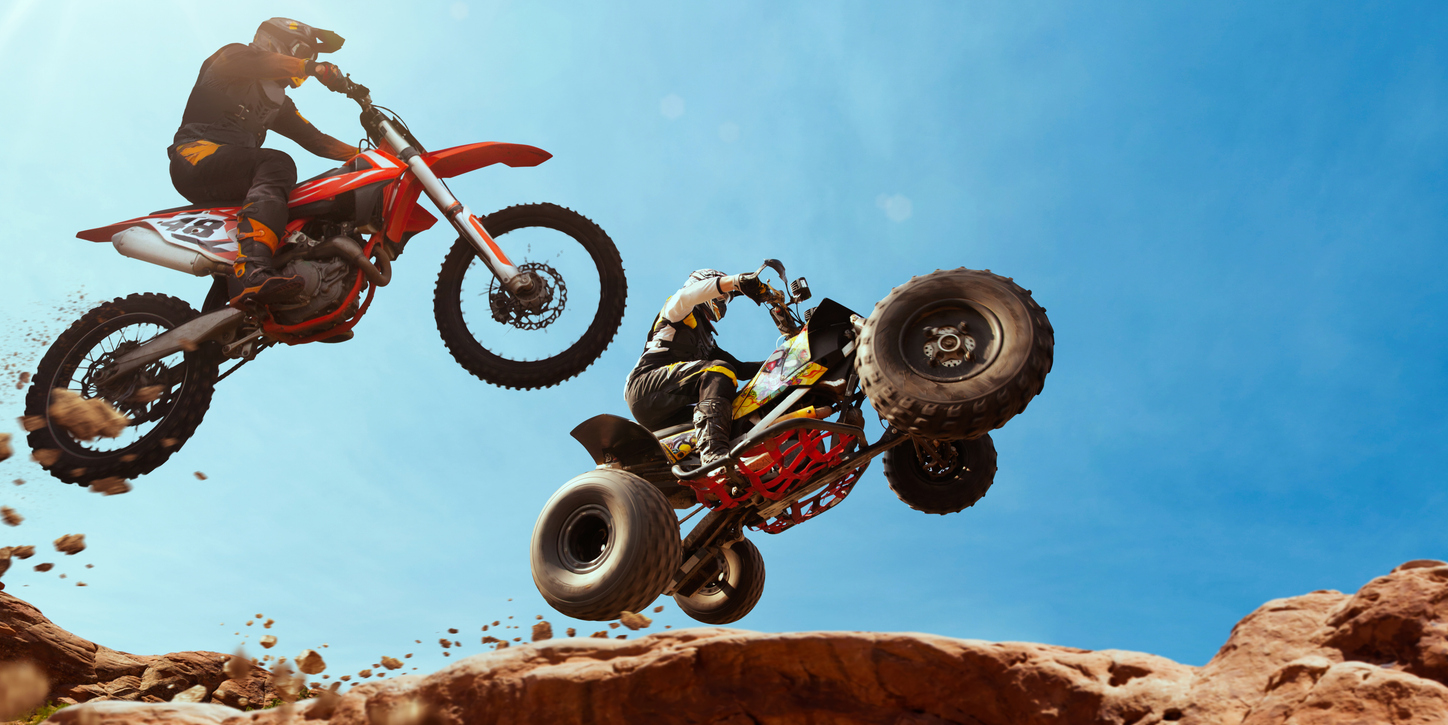
Trail riding offers an exhilarating way to explore nature, build riding skills, and enjoy the freedom of off-road adventure. For new riders, however, the excitement can sometimes overshadow preparation and technique. The trails present unique challenges that differ significantly from paved roads or controlled environments. Without proper awareness and experience, beginners can make avoidable mistakes that impact safety, performance, and enjoyment. Understanding these common pitfalls is the first step toward becoming a more confident and capable trail rider.
Overestimating Skill Level
One of the most frequent mistakes new riders make is tackling terrain that exceeds their current abilities. Trails can vary widely in difficulty, with steep inclines, loose gravel, mud, and unexpected obstacles. Riders who push themselves too hard too soon risk injury and damage to their bike. It’s important to start with beginner-friendly trails and gradually progress to more technical routes. Practicing basic maneuvers like throttle control, braking, and body positioning in a safe area before hitting the trails can build a solid foundation. Confidence should come from competence, not bravado.
Neglecting Proper Gear
Trail riding demands gear that protects against both environmental elements and potential accidents. New riders sometimes overlook the importance of wearing full protective equipment, assuming a helmet alone is sufficient. In reality, gloves, boots, goggles, chest protectors, and knee guards are essential for minimizing injury. The terrain can be unpredictable, and even minor falls can result in serious harm without the right gear. Investing in quality equipment designed for off-road use ensures better protection and comfort. Riders should also check that their gear fits properly and is in good condition before every ride.
Poor Bike Setup and Maintenance
A well-maintained bike is crucial for safe and effective trail riding. New riders often forget to inspect their bike before heading out, leading to mechanical issues on the trail. Tire pressure, chain tension, brake function, and fluid levels should be checked regularly. Suspension settings should also be adjusted to match the rider’s weight and the terrain. For those starting out on a 125 cc dirtbike, proper setup is especially important, as smaller bikes can be more sensitive to changes in terrain and rider input. Routine maintenance not only extends the life of the bike but also enhances performance and safety.
Ignoring Trail Etiquette
Respecting trail etiquette is vital for preserving access and maintaining a positive riding community. New riders may unintentionally disrupt other trail users by riding too fast, failing to yield, or creating excessive noise. It’s important to understand and follow posted rules, stay on designated paths, and avoid damaging vegetation or wildlife habitats. Riders should also be courteous to hikers, cyclists, and fellow motorcyclists, signaling when passing and keeping a safe distance. Practicing good etiquette helps ensure that trails remain open and enjoyable for everyone.
Inadequate Preparation and Planning
Trail riding requires more than just hopping on a bike and heading out. New riders often underestimate the importance of planning, which can lead to getting lost, running out of fuel, or facing unexpected weather conditions. Before any ride, it’s essential to research the trail, check the forecast, and let someone know your route and expected return time. Carrying essentials like water, snacks, a basic tool kit, and a first aid kit can make a big difference in case of emergencies. GPS devices or trail maps are also helpful for navigation. Thoughtful preparation ensures a safer and more enjoyable experience.
Conclusion
Trail riding is a rewarding pursuit that combines adventure, skill, and connection with nature. For new riders, avoiding common mistakes can make the difference between a frustrating outing and a fulfilling journey. By recognizing the importance of skill progression, proper gear, bike maintenance, trail etiquette, and preparation, beginners can build confidence and ride responsibly. With time and experience, the trails become not just a challenge, but a source of lasting enjoyment and growth.

