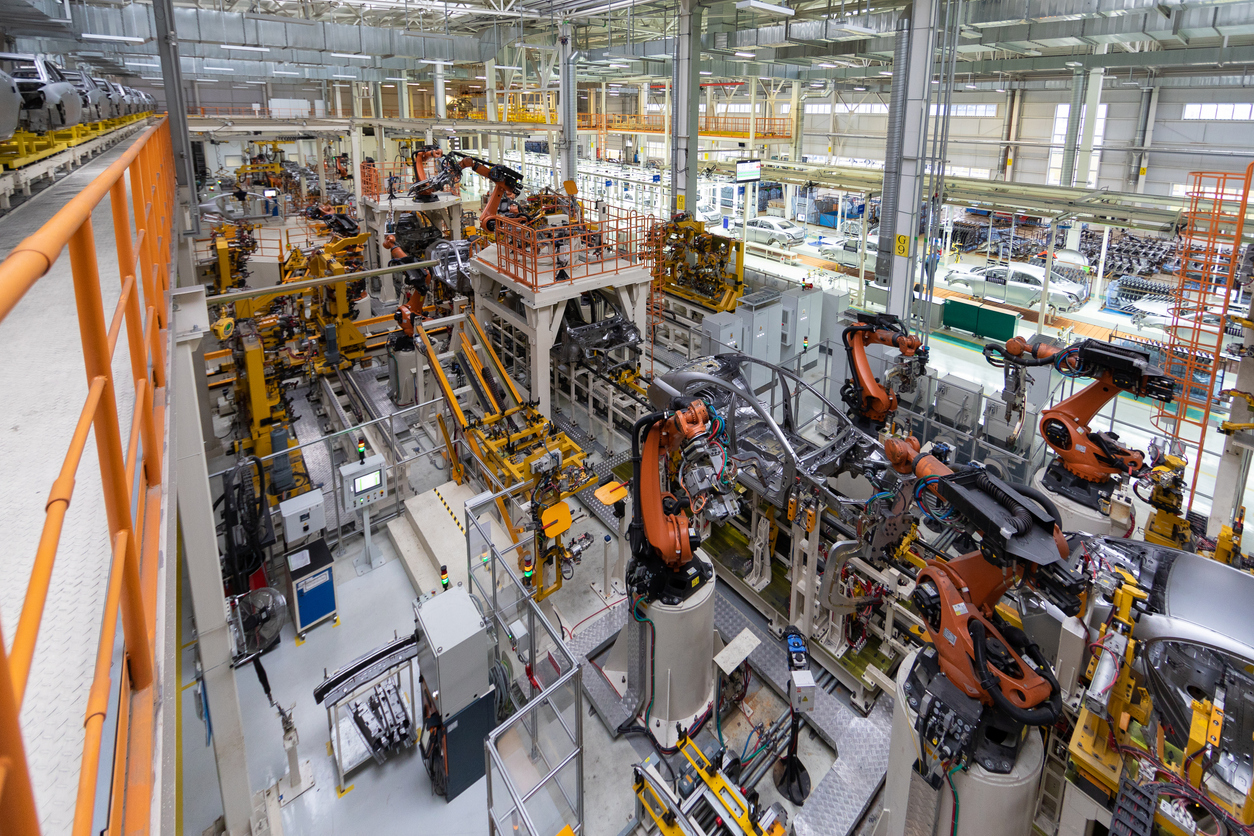
In today’s fast-paced manufacturing environment, operational visibility is a necessity. With increasing demands for efficiency, quality, and agility, factory managers must have a clear, real-time view of every aspect of their operations. From machine performance and production metrics to workforce productivity and inventory levels, visibility into the factory floor enables better decision-making, faster response times, and improved overall performance.
Achieving full operational visibility requires more than just installing cameras or collecting data. It involves integrating systems, streamlining communication, and leveraging technology to transform raw data into actionable insights. This article explores the key strategies and tools manufacturers can use to gain comprehensive visibility across their factory floors.
Embracing Digital Transformation
The journey toward full operational visibility begins with digital transformation. Traditional paper-based processes and siloed systems are no longer sufficient to meet the demands of modern manufacturing. By digitizing operations, manufacturers can centralize data collection, automate reporting, and enable real-time monitoring.
Digital transformation involves implementing technologies such as sensors, industrial Internet of Things (IIoT) devices, and cloud-based platforms. These tools collect data from machines, production lines, and environmental conditions, providing a continuous stream of information. When integrated properly, this data can be visualized and analyzed to uncover inefficiencies, predict maintenance needs, and optimize workflows.
Integrating Systems for Seamless Data Flow
One of the biggest barriers to operational visibility is fragmented systems. Many factories operate with a mix of legacy equipment, standalone software, and manual processes that do not communicate effectively. To overcome this, manufacturers must prioritize system integration.
Connecting enterprise resource planning (ERP), manufacturing execution systems (MES), and other operational tools allows for a unified view of production activities. This integration ensures that data flows seamlessly across departments, enabling better coordination and faster decision-making. It also reduces the risk of errors and delays caused by manual data entry or miscommunication.
Leveraging Advanced Monitoring Tools
Real-time monitoring is a cornerstone of operational visibility, and modern factories are increasingly turning to integrated platforms that combine data acquisition, visualization, and control. One of the most effective solutions in this space is HMI SCADA software, which enables manufacturers to monitor and manage their operations through intuitive web-based interfaces. These systems collect data from sensors, machines, and control systems, then present it in customizable dashboards accessible from any device. With features like real-time trending, alarm notifications, and remote access, HMI SCADA software empowers teams to make informed decisions quickly, reduce downtime, and maintain optimal performance across the factory floor. By centralizing data and offering seamless integration with existing infrastructure, these platforms help bridge the gap between operational technology and enterprise systems, driving smarter and more agile manufacturing processes.
Empowering the Workforce with Data
Operational visibility is not just about technology; it’s also about people. Empowering employees with access to relevant data helps them make informed decisions and take proactive steps to improve performance. Whether it’s a line operator monitoring machine efficiency or a supervisor tracking shift productivity, data transparency fosters accountability and collaboration.
Training staff to interpret and act on data is essential. This includes providing user-friendly interfaces, clear performance metrics, and ongoing support. When employees understand how their actions impact overall operations, they are more likely to engage in continuous improvement and problem-solving.
Driving Continuous Improvement
With full operational visibility, manufacturers can move from reactive to proactive management. Instead of waiting for problems to arise, they can identify trends, anticipate issues, and implement preventive measures. This shift enables continuous improvement across all areas of the factory.
Data-driven insights can reveal bottlenecks, highlight underperforming assets, and uncover opportunities for optimization. By regularly reviewing performance metrics and involving cross-functional teams in analysis, manufacturers can foster a culture of innovation and agility. Over time, this leads to higher efficiency, better product quality, and increased customer satisfaction.
Conclusion
Gaining full operational visibility over your factory floor is a strategic imperative in today’s competitive manufacturing landscape. By embracing digital transformation, integrating systems, leveraging advanced monitoring tools, and empowering the workforce, manufacturers can unlock the full potential of their operations. Visibility is about understanding, anticipating, and improving. With the right approach, factory leaders can drive smarter decisions, reduce waste, and build more resilient, responsive production environments.

