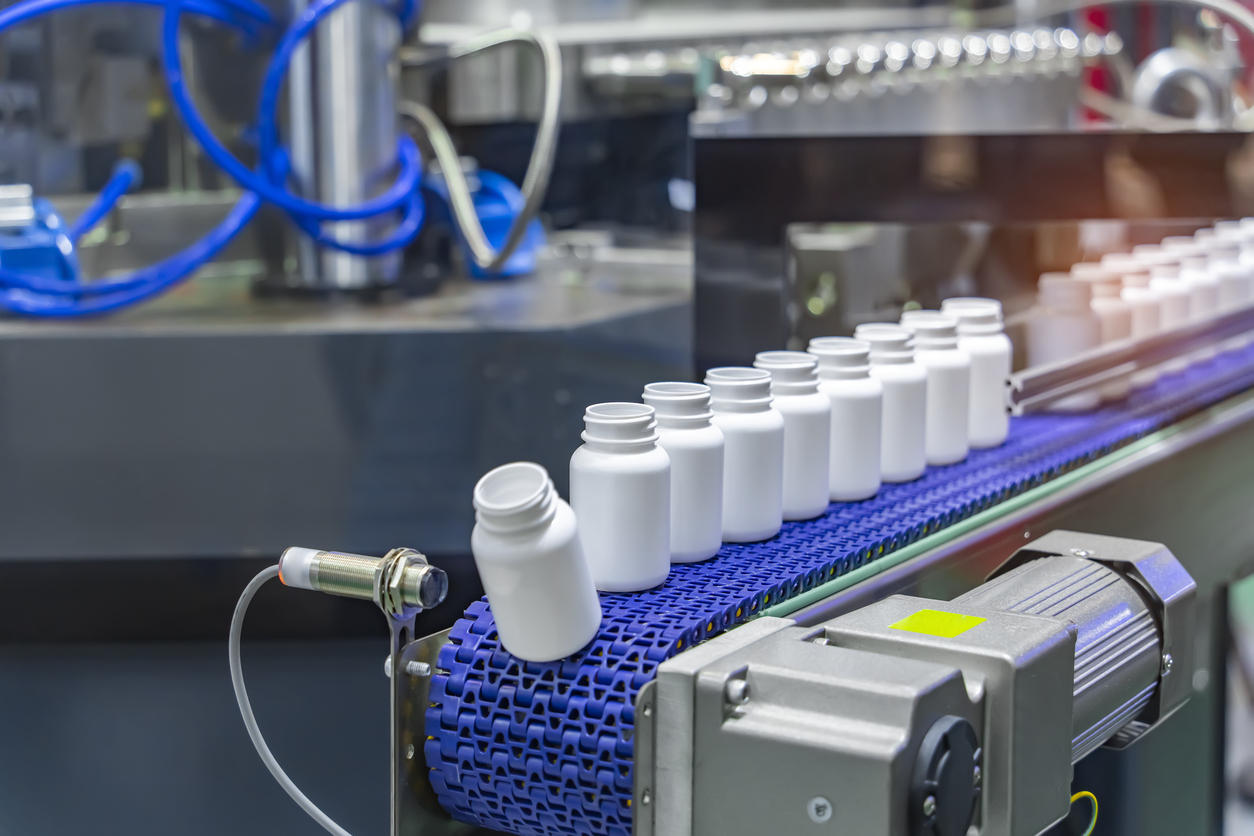
Contamination in plastic molding can compromise product quality, increase waste, and disrupt production schedules. Whether you’re working with medical-grade components, automotive parts, or consumer goods, maintaining a clean and controlled molding environment is essential. Contaminants can originate from raw materials, equipment, or even the surrounding workspace, making prevention a multifaceted challenge. Fortunately, with the right strategies and attention to detail, manufacturers can significantly reduce the risk of contamination and ensure consistent, high-quality output. Here are seven proven methods to help keep your plastic molding process clean and efficient.
Use High-Quality Raw Materials
The foundation of any successful molding operation begins with the materials. Contaminants often enter the process through low-grade or improperly stored resins. Choosing high-quality, certified raw materials ensures consistency and reduces the likelihood of foreign particles or moisture affecting the final product.
Proper storage is equally important. Resins should be kept in sealed containers and protected from humidity, dust, and temperature fluctuations. Using desiccant dryers and monitoring material conditions before processing can further safeguard against contamination caused by moisture or degradation.
Maintain Clean Equipment and Workspaces
Cleanliness in the molding environment is non-negotiable. Machines, tools, and surfaces should be regularly cleaned and inspected to prevent buildup of dust, grease, or leftover resin. Even small amounts of residue can lead to defects such as discoloration, streaking, or structural weaknesses in molded parts.
Implementing a routine cleaning schedule and using appropriate solvents or cleaning agents can help maintain equipment integrity. Additionally, enforcing cleanliness protocols for operators such as wearing gloves and protective clothing minimizes the risk of introducing contaminants during handling.
Implement Proper Material Handling Procedures
Material handling is a critical control point in preventing contamination. From transport to loading, every step should be designed to minimize exposure to airborne particles, moisture, and cross-contamination. Using dedicated containers for different resin types and clearly labeling them helps avoid mix-ups that can compromise product quality.
Automated material handling systems can further reduce human error and exposure. Vacuum loaders, sealed hoppers, and closed-loop conveying systems are effective tools for maintaining a clean and controlled flow of materials throughout the production process.
Monitor and Control Processing Conditions
Processing parameters such as temperature, pressure, and cycle time must be carefully monitored to prevent degradation and contamination. Overheating can cause resin breakdown, leading to charred particles that contaminate subsequent runs. Inconsistent pressure or cooling can also result in defects that mimic contamination.
Using sensors and automated controls to maintain optimal conditions helps ensure that each cycle produces consistent, defect-free parts. Regular calibration of equipment and documentation of process settings are essential for maintaining control and identifying potential sources of contamination.
Use Effective Purging Techniques
Purging is a vital step in maintaining clean equipment between material changes or shutdowns. Residual resin, colorants, and additives left in the barrel or screw can contaminate future runs if not properly removed. Selecting the right purging compound and technique is key to thorough cleaning.
There are several injection molding purging methods available, including mechanical, chemical, and hybrid approaches. Mechanical purging uses high-viscosity resins to push out residual material, while chemical purging involves reactive compounds that break down and flush contaminants. Hybrid methods combine both for enhanced effectiveness. Choosing the appropriate method based on your materials and equipment ensures a clean transition and minimizes downtime.
Train and Educate Staff
Human error is a common source of contamination, especially in fast-paced production environments. Investing in staff training ensures that operators understand the importance of cleanliness, proper handling, and adherence to protocols. Training should cover equipment operation, material handling, troubleshooting, and contamination prevention techniques.
Encouraging a culture of accountability and continuous improvement helps reinforce best practices. When employees are empowered to identify and address potential contamination risks, the entire operation benefits from increased awareness and proactive problem-solving.
Conduct Regular Quality Audits
Routine audits are essential for identifying contamination risks and verifying that preventive measures are working effectively. Audits should include visual inspections, material testing, and process reviews. Tracking defect rates and analyzing trends can help pinpoint recurring issues and guide corrective actions.
Incorporating quality checks at multiple stages of production from material intake to final inspection—creates a layered defense against contamination. Documenting findings and implementing feedback loops ensures that improvements are sustained over time.
Conclusion
Preventing contamination in plastic molding requires a comprehensive approach that combines clean materials, disciplined processes, and well-trained personnel. By focusing on equipment maintenance, material handling, process control, and effective purging, manufacturers can reduce defects, improve product consistency, and maintain high standards of quality. These strategies not only protect the integrity of molded parts but also contribute to a more efficient and reliable production environment. With attention to detail and a commitment to best practices, contamination can be effectively managed and minimized.

