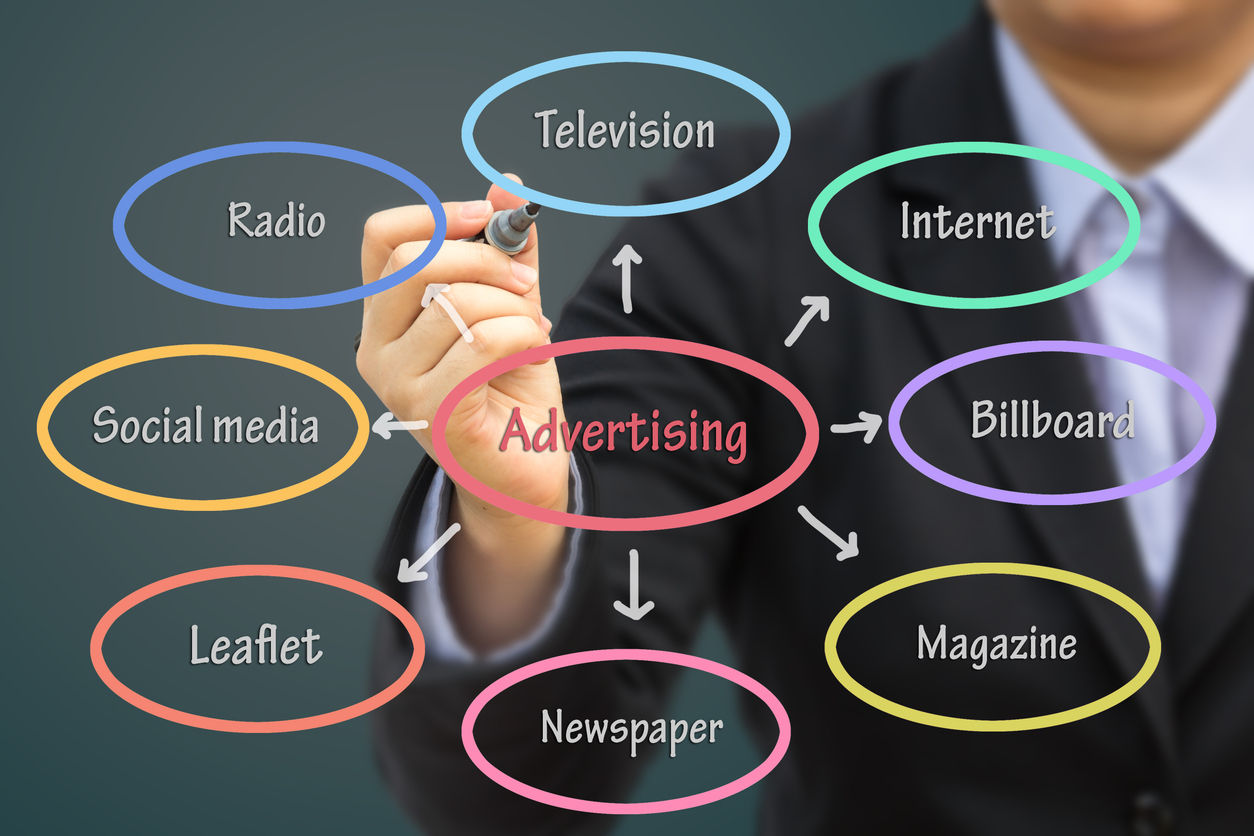
Television advertising has undergone a significant transformation in recent years. Traditional television campaigns once relied heavily on broad audience estimates and generalized demographic assumptions. Today, advances in technology, audience analytics, and viewing behavior insights have enabled marketers to create more targeted and measurable campaigns. As a result, data-driven television marketing has become an increasingly valuable strategy for brands seeking to maximize the effectiveness of their advertising investments.
By leveraging audience data, viewing habits, geographic information, and consumer behavior insights, advertisers can deliver more relevant messaging to the right viewers at the right time. This approach helps improve campaign performance while providing greater visibility into advertising outcomes. As television continues to evolve across both traditional and streaming platforms, data-driven strategies are helping businesses connect with audiences more effectively than ever before.
Enhanced Audience Targeting
One of the most significant benefits of data-driven television marketing is the ability to reach highly specific audience segments. Instead of relying solely on broad demographic categories, advertisers can use data to identify viewers based on interests, purchasing behaviors, viewing patterns, and lifestyle characteristics.
This increased precision helps marketers reduce wasted advertising spend by focusing resources on audiences that are more likely to be interested in their products or services. A local business, for example, may choose to target viewers within a specific geographic area, while a national brand may focus on consumers who have demonstrated interest in a particular product category.
Modern targeting capabilities allow campaigns to become more relevant and personalized. When viewers receive advertisements that align with their interests and needs, engagement often improves. More relevant messaging can help brands build stronger connections with potential customers and achieve better overall campaign performance.
As audience expectations continue to change, enhanced targeting helps advertisers remain competitive in an increasingly crowded media landscape.
Improved Campaign Measurement and Performance Analysis
Historically, one of the challenges associated with television advertising was the difficulty of measuring precise campaign results. Data-driven television marketing addresses this challenge by providing access to detailed performance metrics that help advertisers evaluate effectiveness more accurately.
Marketers can now analyze viewership trends, audience engagement patterns, reach, frequency, and conversion-related data to gain a clearer understanding of campaign outcomes. These insights allow businesses to move beyond assumptions and make decisions based on measurable results.
The ability to track performance supports continuous improvement. If a campaign is performing well with a particular audience segment, advertisers can allocate additional resources to that group. If certain messages are underperforming, adjustments can be made to improve effectiveness.
This level of transparency helps justify advertising investments and provides valuable information that can be applied to future campaigns. Data-driven analysis enables marketers to optimize strategies in ways that are difficult to achieve through traditional television advertising approaches alone.
Greater Efficiency in Advertising Spend
Advertising budgets are often limited, making efficiency a critical concern for businesses of all sizes. Data-driven television marketing helps organizations maximize the value of their advertising investments by improving how resources are allocated.
When advertisers understand which audiences respond most favorably to specific messages, they can focus spending on placements that are more likely to generate results. This targeted approach often leads to improved return on investment compared to broader campaigns that attempt to reach everyone regardless of relevance.
The growing use of CTV advertising solutions has further enhanced efficiency by allowing advertisers to reach audiences through connected television platforms while utilizing advanced targeting and measurement capabilities. These tools help marketers deliver ads to viewers based on meaningful data rather than relying solely on generalized audience estimates.
Efficient spending also supports better budget forecasting. With access to detailed campaign performance data, organizations can plan future advertising initiatives with greater confidence and make informed decisions regarding media allocation.
By reducing waste and improving precision, data-driven television marketing helps businesses achieve more impactful results from their advertising budgets.
Stronger Personalization and Customer Relevance
Consumers are increasingly exposed to large volumes of advertising across multiple channels each day. In this environment, relevance has become a key factor in capturing attention and driving engagement. Data-driven television marketing allows brands to deliver messaging that feels more personalized and meaningful to specific audiences.
Personalization may involve tailoring advertisements based on geographic location, consumer interests, purchase behavior, or viewing preferences. By aligning content with audience needs, marketers create experiences that are more likely to resonate with viewers.
Relevant advertising often generates stronger emotional connections because it reflects the preferences and priorities of the audience. When consumers feel that a brand understands their interests, they may be more likely to engage, research products, or consider future purchases.
Personalization also supports brand differentiation. Companies that deliver relevant and timely messages can stand out within highly competitive markets and create stronger brand recognition among target audiences.
As viewing habits continue evolving across traditional and digital channels, personalized advertising helps brands remain relevant in a changing media environment.
Better Integration Across Marketing Channels
Modern marketing strategies rarely rely on a single channel. Businesses often combine television advertising with digital campaigns, social media initiatives, search marketing, email outreach, and other customer engagement efforts. Data-driven television marketing helps support this integrated approach by providing insights that can be shared across multiple platforms.
Audience data gathered through television campaigns can inform broader marketing strategies and contribute to a more unified customer experience. Marketers can coordinate messaging across channels, ensuring that advertising efforts align with overall business objectives.
Cross-channel integration also improves consistency. When consumers encounter similar messages across television, digital platforms, and other touchpoints, brand recall and recognition often increase. This coordinated approach strengthens campaign effectiveness while reinforcing key marketing messages.
Data-driven insights can help identify which channels contribute most effectively to customer engagement and conversions. By understanding how different platforms work together, businesses can create more cohesive and impactful marketing strategies.
The result is a more connected advertising ecosystem where television serves as an important component of a larger, data-informed marketing framework.
Conclusion
Data-driven television marketing offers significant advantages for businesses seeking to improve advertising effectiveness in an increasingly competitive marketplace. Enhanced audience targeting, stronger performance measurement, greater spending efficiency, personalized messaging, and improved integration across marketing channels all contribute to more strategic and impactful campaigns. By leveraging data to guide decision-making, advertisers can better understand their audiences, optimize their investments, and create more meaningful connections with consumers. As technology continues to shape the future of television advertising, data-driven approaches will remain an essential tool for organizations looking to maximize the value of their marketing efforts.

