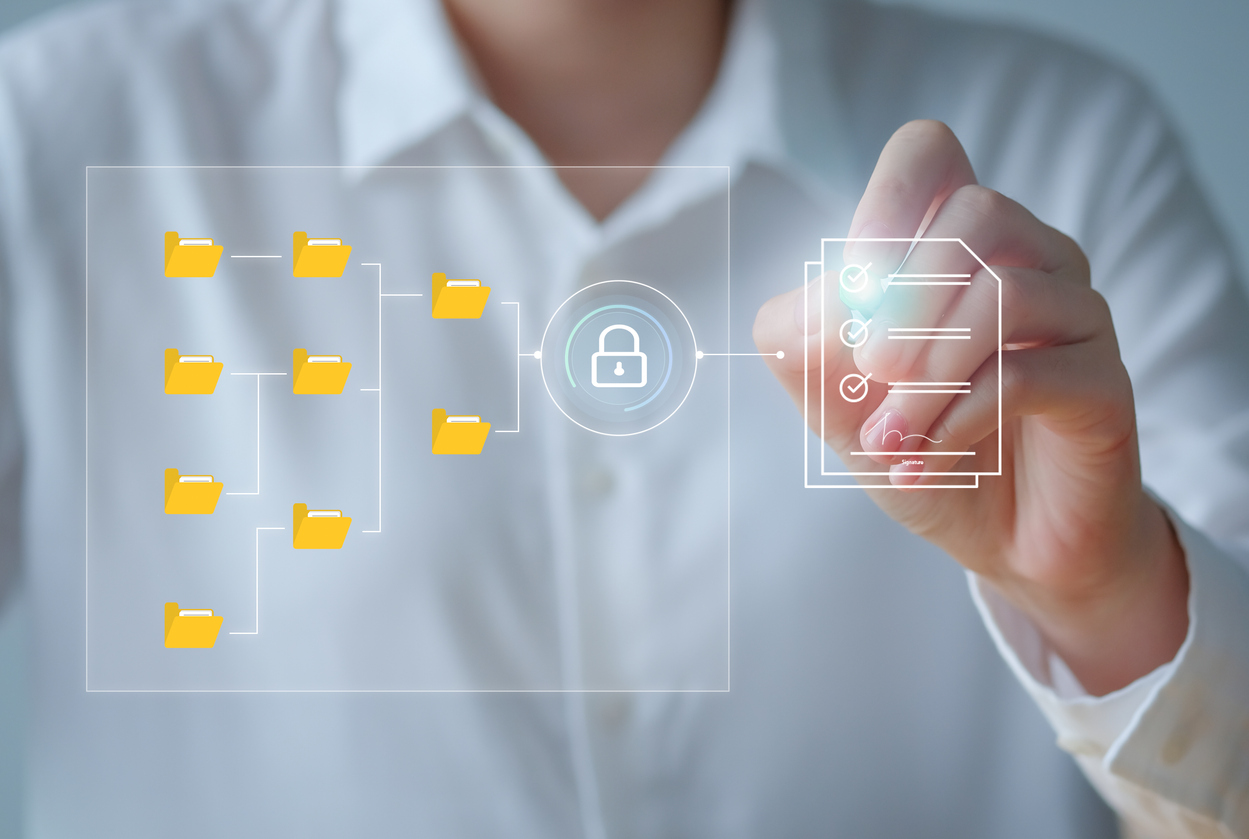
In a world that is becoming more and more digital, remote employment has become the norm for many enterprises. While it offers flexibility and convenience, it also poses challenges in terms of data security. Whether staff are working on-site or remotely, the protection of the company’s data is of the utmost importance. You’ll look at several crucial pointers for preserving the security of business data while working remotely.
1. Mobile Business services for Secure and Updated Devices
In the present remote work environment, ensuring the security of your company’s sensitive data is of the highest priority. Utilizing mobile business services is a key strategy to achieve this. These solutions not only enable secure remote work but also facilitate the seamless management of devices. It is crucial to keep all devices updated with the most recent operating systems, antivirus programs, and security patches. By implementing a comprehensive device management policy within your mobile business solutions framework, you can enforce regular updates and security checks. Company-issued devices, integrated with mobile business services, provide controlled configurations and additional layers of security, elevating your defense against potential threats. Prioritizing mobile business services for device security ensures that remote work remains both safe and productive for your organization.
2. Implement Strong Authentication for Robust Security
In today’s digital landscape, where remote work is the norm, implementing robust security measures is non-negotiable. One such measure is the enforcement of strong authentication methods, with multi-factor authentication (MFA) at the forefront. MFA is a formidable defense against unauthorized access, as it necessitates users to provide multiple forms of identification before gaining entry to company systems. Integrating MFA into your organization’s security measures adds an extra layer of protection, significantly diminishing the risk of data breaches and cyberattacks. Strong authentication, within the framework of remote work, ensures that sensitive information remains safeguarded and accessible only to authorized personnel.
3. Secure Network Connections with VPNs for Remote Work
Maintaining secure network connections is imperative when remote work is a fundamental component of your organization’s operations. To achieve this, virtual private networks (VPNs) emerge as a crucial tool in your cybersecurity arsenal. VPNs establish encrypted tunnels that protect the data transmitted between remote devices and your company’s networks. Encryption serves as a safeguard, protecting sensitive data from potential threats like unauthorized access or interception. By implementing VPNs, you fortify your remote workforce with a secure channel for communication and data exchange, ensuring that critical business data remains confidential and protected from cyber adversaries.
4. Employee Training: Strengthening the Human Firewall in Remote Work
Educating your employees is pivotal in bolstering your organization’s cybersecurity defenses during the era of remote work. Your team can recognize and mitigate possible threats with the knowledge and abilities they receive from cybersecurity awareness training. Employees need to be educated to recognize phishing attempts, suspicious links, and other security risks that could jeopardize sensitive data. By cultivating a vigilant and well-informed workforce, you establish a robust human firewall, the first line of defense against cyberattacks. A proactive approach to cybersecurity improves the overall security posture of your firm and lessens the risk of security breaches.
5. Data Encryption: Safeguarding Confidential Information in Remote Work Environments
Protecting sensitive information is essential when working remotely. Implementing robust data encryption practices is a key strategy to ensure the security of sensitive information, whether it’s in transit or at rest. Encryption acts as a protective barrier, transforming data into an unreadable code that remains secure even if intercepted by malicious individuals. This security measure is especially critical when dealing with confidential client data, financial records, or any proprietary information that your organization handles. By integrating encryption into your remote work protocols, you add an extra layer of defense against potential breaches, bolstering trust with clients and stakeholders alike.
6. Ongoing Vigilance: The Importance of Regularly Updating Security Policies
In the ever-evolving landscape of cybersecurity, maintaining the integrity of your organization’s defenses requires a commitment to regular updates and revisions of security policies. This practice is especially critical in the context of remote work, where new threats and technologies are constantly emerging. By consistently reviewing and enhancing security policies, you can ensure they remain relevant and comprehensive, addressing the unique data security concerns associated with remote work environments. Regular audits and assessments play a pivotal role in this process, enabling your organization to pinpoint vulnerabilities and areas that require improvement. In this way, your security posture remains adaptable and robust, providing ongoing protection against evolving threats.
Conclusion
While there are numerous benefits to remote work, ensuring data security can be challenging. Using secure devices, implementing strong authentication, securing network connections, educating employees, encrypting data, and regularly updating security policies are essential steps in safeguarding company data when working remotely. Ensuring data security should always be a top priority for businesses, regardless of their employees’ locations.

