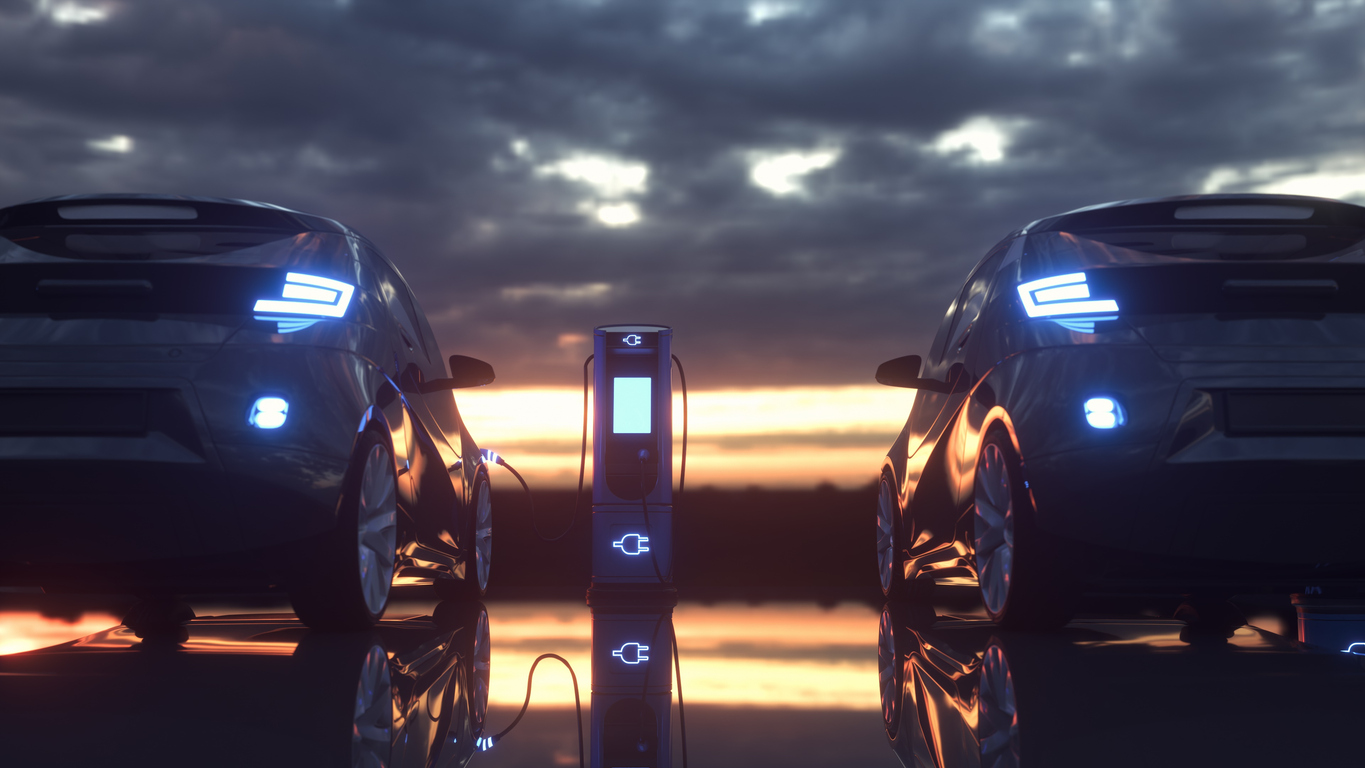
The evolution of personal transportation is upon us, propelled by the inexorable shift towards a greener, more sustainable future. With electric vehicles (EVs) steadily cruising into the mainstream, you might be one of the forward-thinkers considering the sensible next step of installing EV charging stations at your property. No longer the exclusive domain of auto giants and public infrastructure, the private sector, including residential and commercial properties, is becoming an integral part of the EV ecosystem.
Understanding the critical pathway toward implementing EV charging is a crucial step in this exciting transition. Whether you own a home, manage a multi-unit dwelling, or operate a commercial property, this comprehensive guide outlines the five pivotal steps you need to master for a seamless installation process.
Step 1: Assessing Your Electrical Infrastructure
Before the first bolt is turned or concrete poured, start with a comprehensive evaluation of your property’s electrical capability. This step is the foundation of a successful charging station setup as it directly impacts the type of charging stations you can support and the overall costs involved.
Understanding Your Power Needs
Begin by determining the charging capacity you require for your property. For home charging, this involves selecting a Level 1 charger, which typically draws about 1.9kW, or a Level 2 charger that can range from 3.6kW to 19.2kW.
For commercial installations, where the demand is often greater, the requirements can range from a couple of Level 2 stations to powerful Level 3 DC fast chargers, which can draw more than 50kW, up to 350kW in some cases.
Electrical Load Analysis
Next, engage a qualified electrician to conduct a load analysis. This will involve understanding your property’s existing electrical usage and verifying that the system can handle the additional load without overloading or causing safety hazards.
Permitting and Regulations
Navigating the myriad of regulations, permits, and codes can be daunting. Considerations such as the National Electric Code (NEC), city or municipal codes, and utility provider requirements will all need to be addressed to ensure compliance and efficient approval of permits.
Step 2: Selecting the Right EV Charging Equipment
Equipped with a clear understanding of your infrastructure, the next step is to choose the appropriate EV charging equipment for your needs.
Home Charging
Home EV chargers are typically Level 2 chargers (240v), offering faster charging times than a standard 120v outlet. They are commonly wall-mounted units, with various options including smart chargers for monitoring and managing charging remotely.
Commercial and Multi-Unit Dwellings
For multi-unit residences and commercial properties, the choice may often be networked charging stations that can accommodate multiple users, and can also be employer or resident-managed, monitor usage, and even bill back to the user.
Future-Proofing
Given the rapid technological advances in EV charging, it is wise to select equipment that offers ‘over-the-air’ updates or has the flexibility to upgrade with technology advances without requiring substantial changes to the installation.
Step 3: Implementation and Site Preparation
Now that you’ve analyzed your electrical system and selected the right equipment, the site preparation phase can commence.
Retrofitting Existing Structures
For existing buildings, the addition of an EV charging station may require trenching for electrical lines, upgrading of electrical panels, and possible interior wiring. It’s essential to hire experienced professionals with a track record in EV charger installations to avoid costly mistakes.
New Construction Considerations
Properties under development offer a more straightforward installation, with the provision of necessary electrical infrastructure factored into the initial building plan.
Environmental and Aesthetic Considerations
Beyond the technical and structural requirements, take the time to consider the environmental and aesthetic aspects. Choose charging station locations that are easily accessible but not disruptive, and opt for sustainable materials and landscaping to enhance the overall appeal.
Step 4: The Installation Process
With your site prepared, it’s time to install the EV charging stations. This will involve several key components:
Electrical Panel Upgrades
Ensure that the electrical panels can handle the new load requirements. If not, upgrades or replacements may be necessary to support the EV charging stations adequately.
Charger Mounting and Wiring
Professional installation is crucial to ensure safe operation. Chargers must be mounted securely and wiring must be installed according to the manufacturer’s specifications and in compliance with all relevant codes and regulations.
Testing and Commissioning
Prior to going live, every component of the charging station should undergo rigorous testing to confirm correct installation and fault-free operation. After testing, the station can be officially commissioned for use.
Step 5: Post-Installation Considerations
The installation of charging stations is just the beginning. The final step involves post-installation service and management to ensure a smooth and enduring EV charging experience.
Maintenance and Servicing
Regular maintenance is essential to keep EV charging stations in peak condition. This includes cleaning, software updates, and periodic checks to prevent malfunctions or deterioration.
User Education
Providing clear instructions on how to use the charging stations, including software interfaces and maintenance protocols, is a crucial step. A well-informed user base will not only enjoy a better charging experience but also contribute to the longevity of the stations.
Data Analysis and Optimization
With the right equipment, you can gather data on charging usage, which in turn can provide insights for optimizing charging station placement, identifying peak usage times, and potentially even generating additional revenue streams through usage fees.
Conclusion
The growth of EVs is no longer a trend but a burgeoning movement reshaping the way we think about personal transportation. Installing EV charging stations at your property is a direct contribution to this shift, providing a convenient and necessary service to the EV community while also demonstrating your commitment to sustainability.
As you proceed through the above steps, remember that meticulous planning, careful selection of partners and equipment, adherence to regulations, and thoughtful service and management post-installation are all vital components of a successful EV charging station installation. With the right approach, you can make charging at your location as unproblematic as fueling at a gas station—and contribute to cleaner air and a greener future in the process.

