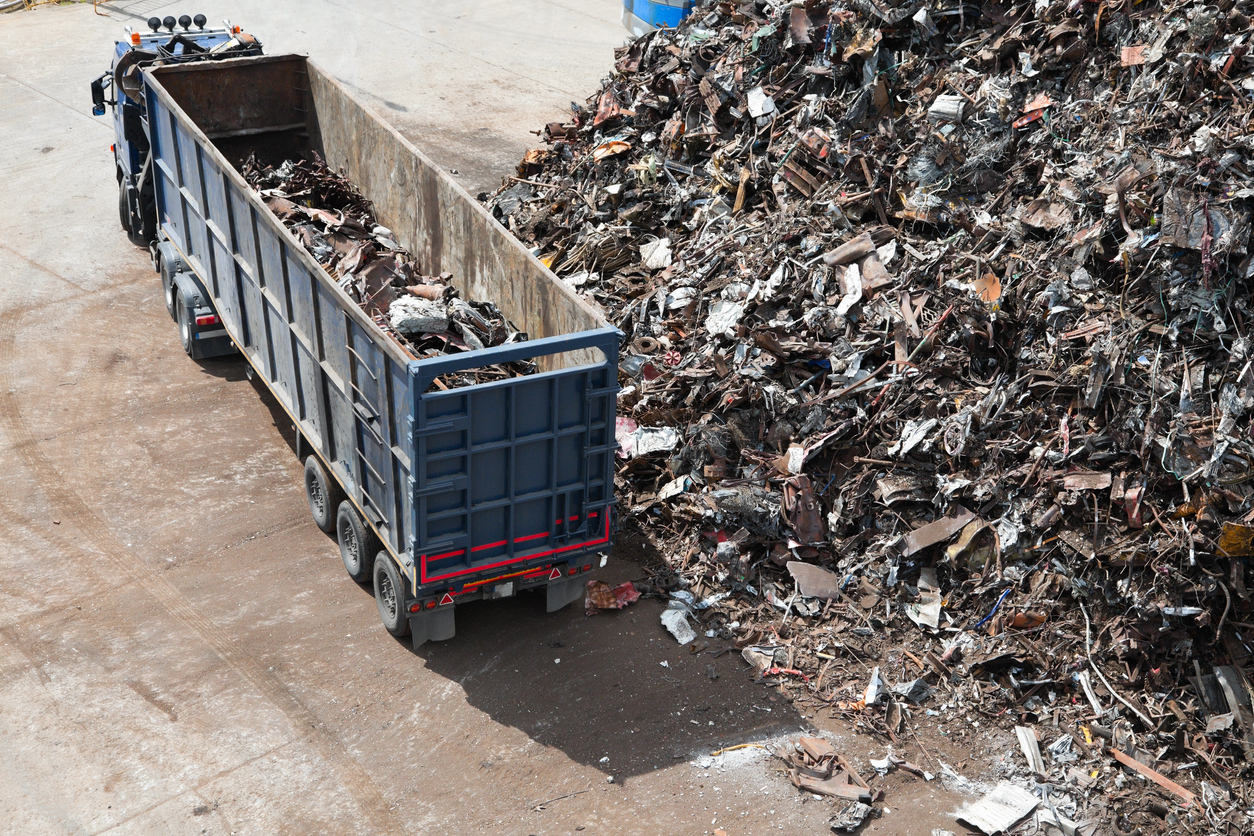
As the world becomes more conscious of the need for sustainability, businesses are looking for ways to reduce their environmental impact while also saving money. Metal recycling is a great way for businesses to achieve both of these goals. In this post, we will explore how businesses can optimize their metal recycling efforts to not only benefit the environment but also their bottom line.
Understand the Value of Metal Recycling
Metal is a valuable resource that can be recycled over and over again without losing its properties. By recycling metal, businesses can reduce the need for virgin materials, which helps save energy and reduce emissions. Additionally, metal recycling is a lucrative industry, with many metal recyclers offering cash for scrap metal, often paying top dollar for it. By understanding the value of metal recycling, businesses can see the potential financial benefits of implementing a recycling program.
When it comes to metal recycling, not all types of metals are created equal. Businesses should pay close attention to the types of metal they have on hand and which ones are most valuable for recycling. For example, metals such as aluminum and copper are highly sought after by recyclers due to their high value and ease of recycling. On the other hand, certain alloys or contaminated metals may not have as much value and could potentially contaminate other recycled materials. By being aware of the most valuable metals for recycling, businesses can ensure they are getting the best return on their recycling efforts.
Implement a Metal Recycling Program
The first step in optimizing metal recycling for your business is to implement a metal recycling program. This can include setting up designated recycling bins for different types of metal, educating employees on what can and cannot be recycled, and establishing a relationship with a reputable metal recycler. By making metal recycling a priority within your business, you can ensure that valuable scrap metal doesn’t end up in the trash.
To best collect for metal recycling, businesses should have designated recycling bins or containers for different types of metals. This makes it easier to sort and separate the metals, ensuring that they are not contaminated with other materials. It’s also a good idea to educate employees on what can and cannot be recycled, as some metals may require special handling or preparation before being recycled. Additionally, regularly communicating and reminding employees about the importance of recycling can help create a culture of sustainability within the workplace. This can include providing incentives for employees who properly recycle metal, such as recognition or rewards.
Partner With a Reputable Metal Recycler
Choosing the right metal recycler is crucial to maximizing the financial benefits of metal recycling. Look for a recycler that offers competitive pricing, transparent processes, and reliable service. Some recyclers may even provide on-site pickup services, making it easy for businesses to recycle their scrap metal without any hassle. By partnering with a reputable metal recycler, businesses can ensure that their recycling efforts are not only sustainable but also cost-effective.
When looking for a metal recycler to partner with, businesses should take the time to vet potential companies thoroughly. This can include researching their reputation and customer reviews, as well as asking about their recycling processes and certifications. Be sure to inquire about pickup services and what types of metals they accept. Additionally, businesses should consider the location of the recycler, as transporting large quantities of metal can be costly and impact the sustainability of the recycling process.
Monitor and Measure Your Recycling Efforts
To truly optimize metal recycling for sustainability and frugality, businesses should regularly monitor and measure their recycling efforts. Keep track of the volume of scrap metal being recycled, the revenue generated from recycling, and the environmental impact of your recycling program. This data can help businesses identify areas for improvement and make adjustments to their recycling program as needed. By staying vigilant and proactive in monitoring your recycling efforts, you can ensure that your business is getting the most out of its metal recycling program.
Educate and Engage Employees
Finally, to truly optimize metal recycling within your business, be sure to educate and engage your employees in the recycling process. Provide training on the importance of metal recycling, offer incentives for employees who participate in recycling efforts, and encourage a culture of sustainability within your organization. By getting your employees on board with your recycling program, you can create a more cohesive and effective approach to metal recycling that benefits both the environment and your bottom line.
Leading by example is crucial when it comes to implementing and maintaining a successful metal recycling program within a business. As a leader, don’t forget to not only talk about the importance of sustainability and metal recycling but also actively participate in the process. This can include properly sorting and disposing of metal waste, using recycled materials in your own work, and regularly communicating with employees about the company’s recycling efforts. By leading by example, you can inspire and motivate your team to prioritize sustainability and make a positive impact on the environment through metal recycling.
Metal recycling is a simple yet effective way for businesses to reduce their environmental impact while also saving money. By understanding the value of metal recycling, implementing a recycling program, partnering with a reputable metal recycler, monitoring and measuring your recycling efforts, and educating and engaging your employees, businesses can optimize their metal recycling efforts for sustainability and frugality. If you’re a business owner looking to make a positive impact on the environment and your bottom line, consider implementing a metal recycling program today.

