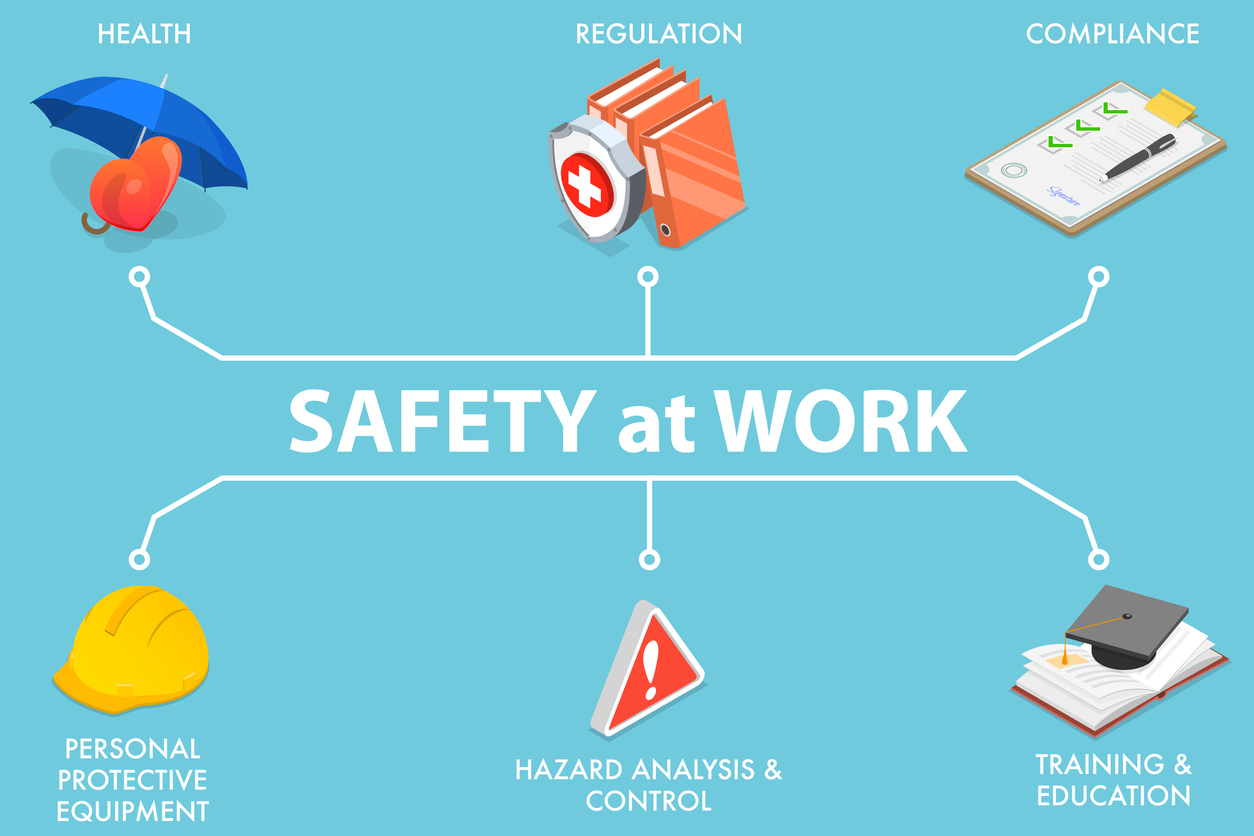
Creating a safe environment within your office is not just a day-to-day concern; it’s a 24/7 endeavor. The moment your staff leaves the office, the responsibility for the safety and security of your workplace is entirely in your hands. With a multitude of potential risks, ranging from security breaches to system failures, it’s vital for office managers to take proactive steps to safeguard the office, even in their absence. Through a comprehensive preventative plan and advanced security protocols, you can ensure your office remains a safe and secure space.
This article will explore various strategies and technologies that office managers can implement to protect their offices during off-hours. From the latest surveillance systems to cybersecurity measures, we will cover both physical and digital security measures to fortify your office space. Additionally, we will discuss the importance of emergency planning and how to prepare for unforeseen events like natural disasters. By the end of this post, you will have a thorough understanding of how to keep your office secure, round-the-clock.
Assessing Office Vulnerabilities
Every office space has unique vulnerabilities that can pose potential risks. Before implementing safety measures, it’s of utmost importance to conduct a thorough assessment to identify these vulnerabilities.
Physical Security Audits
Begin by examining the physical layout of your office. Look for weak points such as unsecured entryways, areas with limited visibility, and windows that could be used as points of entry. It’s also important to consider the type and value of the assets within your office that may be targeted by intruders. By conducting regular audits, you can stay ahead of any security issues that may arise.
Cybersecurity Vulnerability Assessments
In the digital age, cybersecurity is equally as important as physical security. Offices are often home to a wealth of sensitive data, making them lucrative targets for cyber-attacks. Engage with IT professionals to assess your network security, evaluate the strength of your firewalls, and ensure that all software is up-to-date with the latest security patches. Regular vulnerability assessments can help you stay one step ahead of potential hackers.
Structural Security Assessments
It’s important to stay on top of structural maintenance as well, as a faulty wire or a leaky pipe can be the means of unwanted access. A common trick for would-be burglars to scout a building is to masquerade as a contractor doing an inspection or coming to fix a problem. Make sure to schedule your maintenance early and with set times, even for something as simple as commercial drain cleaning. Communicate with the contractors about who they’re sending and when, and you’ll close another hole in your security before someone can exploit it.
Strengthening Physical Security
Investing in physical security measures is one of the most effective ways to protect your office during off-hours. From traditional security systems to state-of-the-art access controls, numerous options are available to enhance your workplace’s safety.
Access Control Systems
Implementing access control systems allows you to monitor and control who enters your office. Modern systems offer keycard, biometric, and PIN-based entry, providing a secure and trackable method of access. Access logs can be reviewed to track employee entry and exit times, as well as to identify any unauthorized access attempts.
CCTV and Alarm Systems
Closed-circuit television (CCTV) systems are a powerful deterrent against theft and vandalism. High-definition cameras can be strategically placed throughout the office to monitor activity. When combined with alarm systems, such as motion sensors and glass break detectors, you can ensure that any unusual activity is immediately detected and addressed. Lastly, having a security guard to keep watch overnight can severely reduce the risk of unauthorized entry to your property.
Implementing Cybersecurity Measures
Protecting your office from digital threats is a continuous battle that requires both preventative and responsive measures. Cybersecurity should be an integral part of your office’s safety strategy.
Secure Network Infrastructure
Ensure that your office network is secure by using strong, unique passwords, enabling two-factor authentication, and encrypting sensitive data. Implementing a virtual private network (VPN) can also add an extra layer of security, particularly for remote or mobile employees.
Employee Training
Employees can unknowingly become the weakest link in your cybersecurity defenses. Regular training sessions on best practices for email security, password management, and the recognition of phishing attempts are essential in maintaining a vigilant workforce.
Integrating Advanced Technology
Digital advancements have opened up new possibilities for office security. Modern technology can increase the effectiveness of your security measures and provide you with more control over your office’s safety.
Smart Sensors and IoT Devices
Internet of Things (IoT) devices can be used to monitor environmental factors within the office, such as temperature, humidity, and air quality. Smart sensors can also detect issues like leaks, power outages, and unauthorized entry, triggering automated responses to address the problem.
Mobile Security Apps
Many security systems now offer mobile apps that allow you to monitor your office remotely, receive real-time alerts, and take immediate action when needed. Having the ability to manage your office’s security from anywhere can provide peace of mind, especially during off-hours.
Continuous Monitoring and Review
Office security is not a “set it and forget it” approach. Regular monitoring and review of your security measures is crucial to adapt to evolving threats and ensure that your systems are operating at optimal levels.
Analyze Security Incidents
In the event of a security breach, it’s important to conduct a thorough analysis of what happened and how your current security measures responded. Use this information to make necessary adjustments to your security protocols.
Stay Informed on Industry Best Practices
The field of security is constantly evolving. Stay informed on the latest best practices, technologies, and regulations related to office security. Engage with industry professionals, attend conferences, and subscribe to security publications to stay up-to-date.
Regularly Update and Test Security Systems
Regular updates and maintenance of your security systems are essential to ensure their effectiveness. Test your alarm systems, review access logs, and conduct regular penetration tests on your network to identify and address any weaknesses.
Protecting your office is a continuous task that requires diligence, preparedness, and the right combination of physical and digital security measures. By conducting regular vulnerability assessments, strengthening access controls, implementing cybersecurity measures, and preparing for emergencies, you can keep your office safe at all hours. Remember that safety is a collaborative effort that involves your entire team, so involve them in the process and ensure that everyone is aware of their role in keeping the office secure. With a comprehensive approach to office security, you can provide a safe working environment for your employees and protect the assets of your business.

