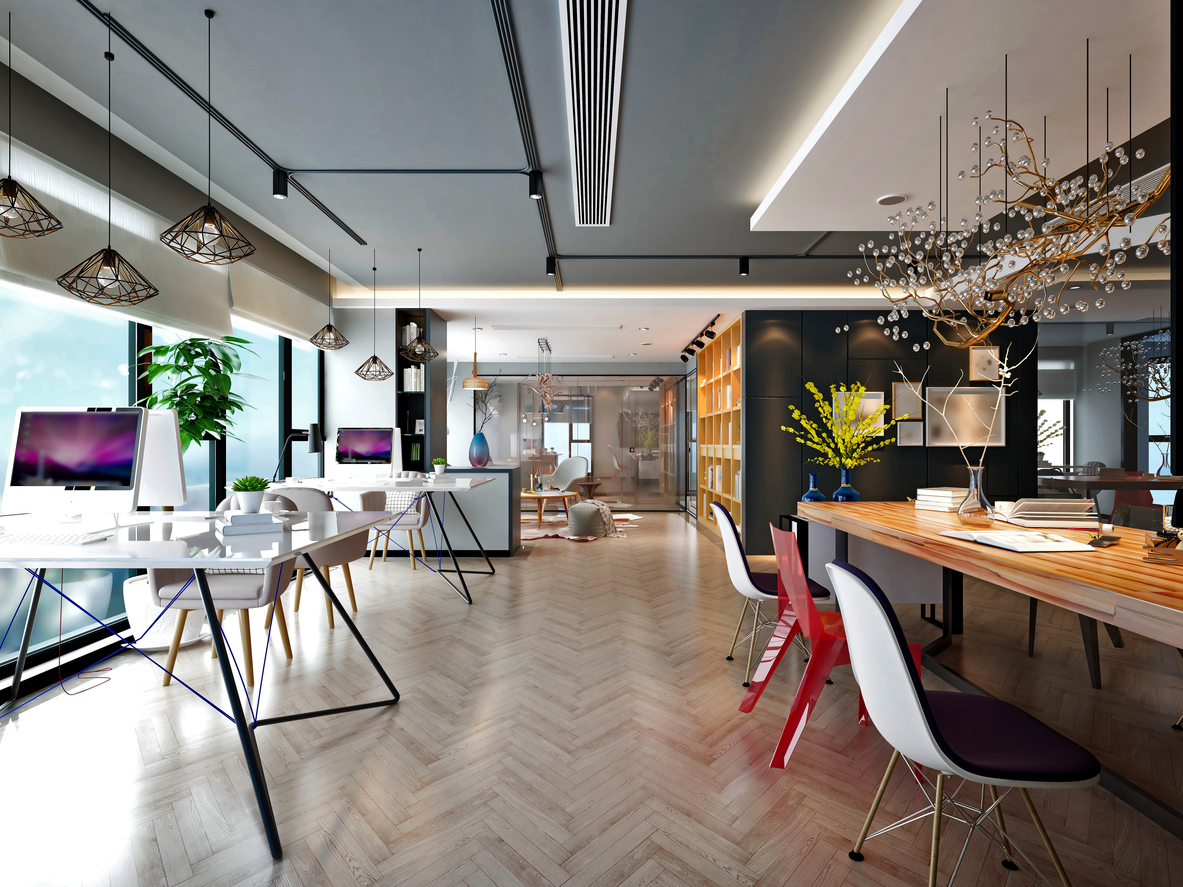
Moving into a new office space is one of those milestone moments that brings equal parts excitement and anxiety. Whether you’re launching your first startup headquarters or expanding into larger digs to accommodate a growing team, the transition can feel overwhelming without the right approach. Here’s the thing, though, an efficiently set up office space doesn’t just happen by accident. It transforms how your team works, boosts morale in ways you’ll notice immediately, and leaves lasting impressions on everyone who walks through your doors.
Assess Your Space and Plan the Layout
Before you start hauling in furniture or positioning desks, take time to really get to know your new space. Walk through every room, noting dimensions, where natural light streams in, the location of power outlets, and any quirky architectural features that might affect how you arrange things. Grab a measuring tape and create a detailed floor plan that captures everything, doorways, windows, support columns, and those odd corners that every office seems to have. Think carefully about how people will move through the space throughout their day, keeping walkways clear and accessible, especially around emergency exits and high-traffic common areas.
Prioritize Essential Infrastructure and Technology
Getting your technology infrastructure right should be at the top of your priority list when setting up shop. There’s nothing more frustrating than having your team ready to work but unable to connect to anything. Bring in IT professionals early to ensure you’ve got solid network connectivity, both wired ethernet and comprehensive WiFi that reaches every corner of your space without those annoying dead zones. You’ll need dedicated spots for servers, networking equipment, and telecommunications systems, complete with proper ventilation and security that keeps everything safe.
Create Functional Workstations and Collaborative Spaces
Designing workstations that actually work for your team requires balancing individual focus with opportunities for collaboration. Think honestly about your company culture, do spontaneous conversations spark innovation, or does your team need quiet concentration to do their best work? Open-plan layouts encourage interaction but can overwhelm people who need deep focus, while private offices offer tranquility but might isolate team members from each other. When relocating office furniture and equipment, professionals who need to coordinate complex moves efficiently can work with you. Search up “best professional movers near me” to ensure minimal disruption to business operations. Beyond layout, invest in genuinely ergonomic furniture, adjustable desks that accommodate different heights, chairs that support proper posture throughout long days, and monitor arms that prevent neck strain. Build in dedicated collaborative zones with comfortable seating arrangements, walls you can write on, and technology that makes brainstorming sessions flow smoothly. Flexible furniture that reconfigures easily gives you versatility for different meeting sizes and purposes without requiring a complete redesign. Pay attention to acoustics too, using sound, absorbing panels, subtle white noise systems, or thoughtful placement of quiet zones to keep open areas from becoming overwhelming. Remember, how comfortable and functional people find their workstations directly impacts whether they’re excited to come to work or counting the minutes until they can leave.
Establish Organized Storage and Supply Systems
Getting your storage systems right from day one prevents that gradual descent into chaos that seems to plague so many offices. Designate clear areas for different storage needs, filing cabinets for important documents, dedicated closets for general supplies, and secure spaces for anything sensitive or valuable. Create a filing system that makes intuitive sense to everyone, not just whoever set it up, whether you’re maintaining physical files or organizing digital documents on shared drives. Stock up on essential supplies before that first official workday: paper, pens, printer cartridges, cleaning supplies, and those kitchen necessities that keep everyone caffeinated and functional.
Set Up Common Areas and Break Spaces
Creating genuinely inviting common areas shows your team that you value their wellbeing beyond just their productivity. Design a functional kitchen or break room with the essentials, a reliable refrigerator, microwave, coffee maker (this one’s non, negotiable), and enough counter space that people aren’t elbowing each other while making lunch. Choose comfortable seating that actually encourages people to take real breaks away from their desks rather than eating sad desk lunches while staring at spreadsheets. Consider adding some fun elements: board games, interesting books, or lounge furniture that invites people to genuinely relax and recharge.
Implement Safety and Compliance Measures
Ensuring your office meets safety regulations and compliance requirements isn’t just about checking boxes, it’s about protecting the people who trust you with their wellbeing. Install proper emergency lighting and clearly marked exit signs throughout your space, along with fire extinguishers that are easy to locate and access when seconds count. Develop detailed emergency evacuation plans that specify meeting points and assign clear responsibilities so everyone knows exactly what to do if crisis strikes. Verify that your space complies with Americans with Disabilities Act requirements: wheelchair-accessible entrances, restrooms designed for everyone, and workstations that accommodate different needs.
Conclusion
Setting up a new office space efficiently is about more than just arranging furniture and plugging in computers. It requires thoughtful planning, careful execution, and attention to those countless details that collectively transform an empty space into a productive work environment. By systematically working through layout planning, technological infrastructure, workstation design, storage organization, common areas, and safety compliance, you’re laying groundwork that’ll support everything your business does. The time and effort you invest in getting your office setup right pays off through smoother daily operations, happier employees, and fewer disruptions down the road.

