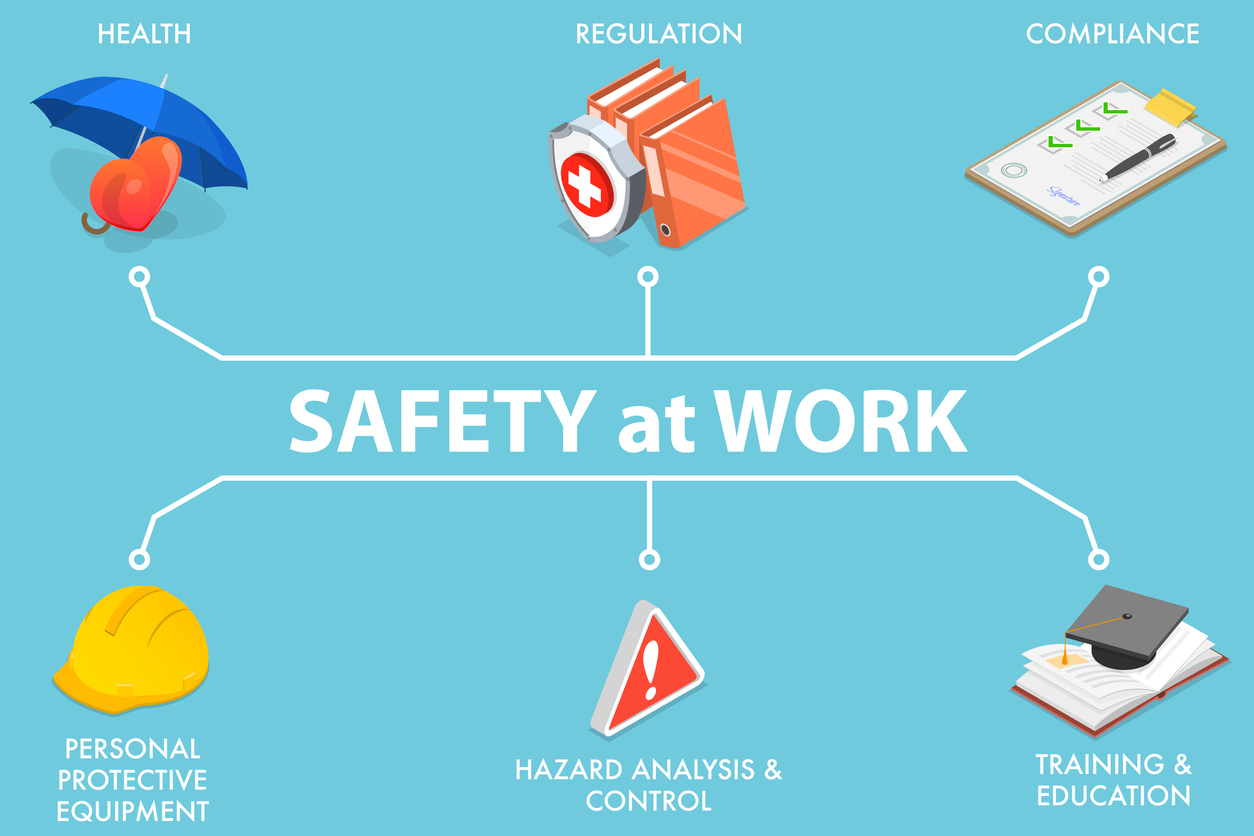
When operating a worksite, ensuring the safety and productivity of your workers should be the top priority. To achieve this, it is essential to have the right equipment on hand. In this article, we will discuss some must-have equipment for any worksite that will help maintain a safe and productive environment for all employees.
Personal Protective Equipment (PPE)
One of the most crucial types of equipment to have on a worksite is personal protective equipment, or PPE. This includes items such as hard hats, safety glasses, high-visibility vests, and steel-toed boots. PPE is essential for protecting workers from potential hazards that may arise while they are working. It’s vital to provide proper training on how to use and maintain PPE to ensure its effectiveness. Additionally, don’t forget to regularly inspect and replace any damaged PPE to continue providing adequate protection for workers.
First Aid Kits
Accidents can happen on any worksite, no matter how careful everyone may be. That is why having a well-stocked first aid kit readily available is crucial. In the event of an injury, quick access to necessary first aid supplies can make a significant difference in the severity of the injury. First aid kits should include items such as bandages, gauze, antiseptic wipes, and other essential medical supplies. It’s also essential to have trained individuals on-site who know how to administer first aid in case of an emergency.
Fire Extinguishers
Fires can be catastrophic on a worksite, causing damage and potential harm to workers. That is why it is crucial to have fire extinguishers placed throughout the site, easily accessible in case of an emergency. They should also be regularly inspected and maintained to ensure they are fully functional if needed.
Fall Protection Gear
Falls are one of the most common causes of worksite injuries, which is why fall protection gear is a must-have on any worksite. This equipment includes items such as safety harnesses, lanyards, and anchors that can prevent workers from falling or reduce the severity of an injury if they do. Don’t forget to conduct regular inspections and provide proper training in the use of fall protection gear to ensure its effectiveness. Additionally, all workers should be required to wear this equipment whenever working at heights or in potentially hazardous areas.
Heavy Equipment
Depending on the type of worksite, heavy equipment such as forklifts, cranes, and bulldozers may be necessary for completing tasks efficiently. However, it is crucial to ensure that all workers operating this equipment are properly trained and licensed to do so. Be sure to regularly inspect and maintain these machines to prevent malfunctions or accidents.
Safety Signage
Clear and visible safety signage is essential for any worksite. It serves as a constant reminder to workers of potential hazards and safety protocols. Safety signs should be strategically placed throughout the worksite, including at entry points, in hazardous areas, and near equipment. They should also include universal symbols and easy-to-understand language to ensure all workers can comprehend them.
Safety Barriers
Another crucial piece of equipment for maintaining a safe worksite is safety barriers. These can include fencing, guard rails, and barriers around potential hazards such as trenches or equipment. Safety barriers help prevent unauthorized access to hazardous areas and protect workers from potential dangers.
Top-Notch Lighting
Proper lighting is essential for a safe and productive worksite, especially for those operating at night or in low light conditions. Adequate lighting helps workers see potential hazards, operate equipment more efficiently, and prevent accidents. It’s crucial to regularly check and maintain all lighting on the worksite to ensure its effectiveness. Additionally, consider portable lighting options for areas that may need extra light, such as during construction or repairs. Overall, the right lighting can make a significant difference in maintaining a safe and productive worksite environment for all workers.
Proper Training
Along with having the right equipment on hand, it is crucial to provide proper training for all workers. This includes training on how to use and maintain equipment, safety protocols, emergency procedures, and more. Regularly conducting training sessions and refresher courses can help ensure that all workers are up-to-date on safety procedures and equipped with the necessary skills to safely carry out their tasks. By investing in proper training, employers can prevent accidents and create a safety-conscious work culture on the site.
Responsible Management
In addition to having the right equipment and providing proper training, responsible management is crucial for maintaining a safe and productive worksite. This includes regularly conducting safety inspections, addressing any potential hazards promptly, and promoting a culture of safety among all workers. By actively managing the worksite’s safety, employers can prevent accidents and ensure the well-being of their employees.
A safe worksite is a productive worksite. By having the right equipment on hand, you are not only ensuring the safety of your workers but also promoting productivity by minimizing potential hazards and accidents. Personal protective equipment, first aid kits, fire extinguishers, safety signage, and safety barriers are just some of the essential equipment that should be present on any worksite to maintain a safe and productive environment for all employees. Remember always to provide proper training and maintenance for these items to ensure their effectiveness in case of an emergency. Stay safe on the job!

