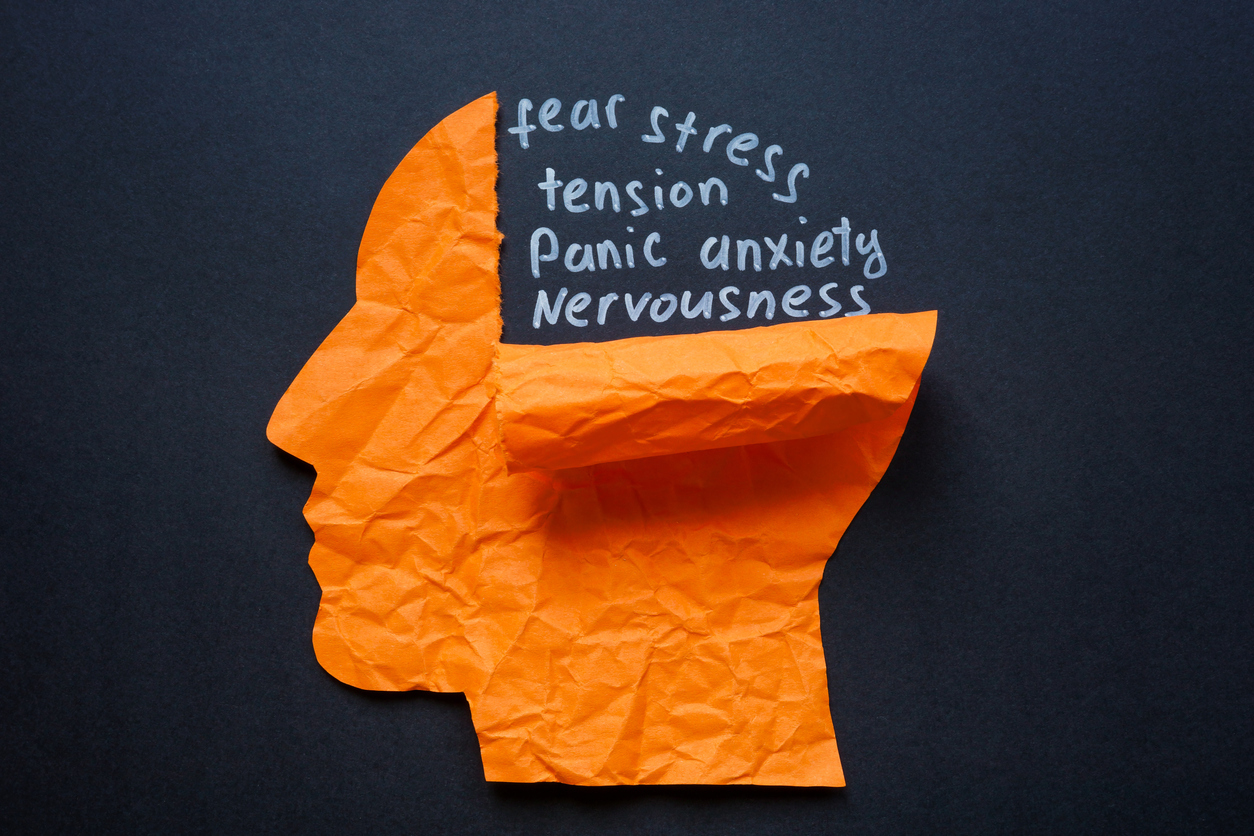
When someone experiences depression or anxiety, the conversation often turns to well-known triggers like job stress, relationship difficulties, or past trauma. While these are legitimate factors, mental health professionals increasingly recognize that certain unexpected circumstances can also contribute significantly to mood disorders and anxiety symptoms. Understanding these less obvious causes helps individuals and their healthcare providers identify root factors that might otherwise go unaddressed, leading to more effective treatment approaches and better long-term outcomes.
1. Chronic Sleep Disruption and Circadian Rhythm Disorders
Sleep problems extend far beyond simple fatigue and can fundamentally alter brain chemistry and emotional regulation. When the body’s natural sleep-wake cycle becomes disrupted through shift work, constant time zone changes, or untreated sleep apnea, the brain struggles to maintain stable levels of serotonin and other mood-regulating neurotransmitters. People working irregular hours often report persistent anxiety and low mood that improves only when their sleep schedule stabilizes. The relationship works both ways, as anxiety and depression frequently worsen sleep quality, creating a cycle that becomes difficult to break without targeted intervention.
Research in sleep medicine demonstrates that consistent, quality sleep is as essential to mental health as it is to physical health. When circadian rhythms remain chronically misaligned, the brain’s ability to process emotions becomes compromised. A person working night shifts might notice their anxiety peaks during daytime hours when they are supposed to sleep, making traditional anxiety management techniques less effective. Addressing the underlying sleep issue often provides meaningful relief from associated mental health symptoms without requiring additional psychiatric interventions.
2. Nutritional Deficiencies and Metabolic Imbalances
The connection between what people eat and how they feel mentally is more direct than many realize. Certain nutritional deficiencies can mimic or intensify depression and anxiety symptoms, yet they often go undiagnosed during mental health evaluations. Vitamin B12 deficiency affects nerve function and energy production throughout the body, frequently presenting as fatigue, concentration problems, and mood disturbances. Insufficient levels of folate, magnesium, and omega-3 fatty acids have similarly been associated with increased rates of depressive symptoms across various populations.
Thyroid dysfunction represents another metabolic condition that commonly manifests as anxiety or depression despite being primarily an endocrine issue. An underactive thyroid slows metabolism and can produce symptoms nearly indistinguishable from major depression, including low energy, weight gain, and emotional numbness. Many individuals receive years of psychiatric treatment before a clinician discovers their symptoms stem from an easily treatable thyroid condition. Blood work and nutritional assessment should be standard components of any comprehensive mental health evaluation, as correcting underlying deficiencies can substantially improve mood and anxiety levels.
3. Environmental Toxin Exposure and Chemical Sensitivity
Long-term exposure to environmental toxins represents an often-overlooked contributor to depression and anxiety that affects people in their homes, workplaces, and communities. Heavy metals such as lead and mercury accumulate in the body over time and can interfere with neurological function, affecting mood regulation and cognitive processes. Individuals living in older homes with lead paint or working in industrial settings with heavy metal exposure sometimes develop anxiety and depressive symptoms alongside other health problems. Pesticide exposure through agricultural work or contaminated food supplies has similarly been linked to increased rates of mood disorders in affected populations.
Mold exposure in damp indoor environments can trigger inflammatory responses that ultimately affect brain function and emotional wellbeing. When the body remains in a chronic inflammatory state due to environmental factors, that immune activation can contribute to depression and anxiety. Someone living in a water-damaged building might experience worsening mood symptoms without recognizing the environmental cause. Professional assessment of homes and workplaces can identify these hazards, and remediation often leads to meaningful improvements in mental health alongside physical health gains.
4. Hormonal Fluctuations Beyond Typical Reproductive Cycles
While postpartum depression and premenstrual mood changes are widely recognized, numerous other hormonal conditions trigger depression and anxiety that often get misattributed to psychological factors alone. Hormonal imbalances related to cortisol production, adrenal dysfunction, and thyroid irregularities create persistent mental health symptoms that resist standard psychological treatment. Women entering perimenopause frequently experience new-onset anxiety and depression years before their menstrual periods stop, yet these symptoms sometimes go unrecognized as hormone-related. Men experiencing age-related testosterone decline similarly report increased anxiety, irritability, and depressive symptoms.
Polycystic ovary syndrome and other conditions that disrupt normal hormone balance can produce significant mood disturbances as a primary symptom. Hormonal testing should be part of any thorough evaluation when depression or anxiety appears suddenly or without clear environmental or psychological triggers. Addressing the underlying hormonal imbalance through medical treatment often resolves associated mental health symptoms more effectively than psychiatric medication alone. Healthcare providers who integrate endocrinology and mental health expertise can identify these connections and recommend appropriate combined treatment approaches.
5. Untreated or Undiagnosed Medical Conditions
Numerous medical illnesses produce depression and anxiety as primary symptoms rather than as natural psychological responses to being sick. Autoimmune conditions like lupus and rheumatoid arthritis frequently include mood disturbances as part of the disease process itself, affecting the central nervous system directly. Chronic pain from conditions such as fibromyalgia creates both physical suffering and associated depression and anxiety that are difficult to treat without addressing the underlying pain condition. Cardiovascular disease, diabetes, and respiratory conditions all correlate with higher rates of depression, partly through direct physiological mechanisms and partly through the demands of managing chronic illness.
Oral health complications such as impacted wisdom teeth or jaw infections can generate chronic pain and systemic inflammation that contribute to persistent low mood, which is why patients managing these issues may consult Top oral surgery in Cleburne to resolve the underlying physical source of their distress. Post-viral conditions following infections like influenza sometimes include depression and anxiety as lingering effects that can be mistaken for primary psychiatric illness. A person recovering from a serious infection might receive antidepressants without any exploration of whether their mood symptoms represent a direct effect of the infection itself. Comprehensive medical screening before attributing depression and anxiety solely to psychological sources helps ensure that treatable medical conditions are not overlooked in the process.
Conclusion
Depression and anxiety often have more diverse causes than conventional mental health discussions suggest, extending into sleep science, nutrition, environmental health, endocrinology, and general medicine. While psychological factors unquestionably contribute to mood disorders, individuals experiencing these conditions benefit from thorough evaluation that addresses potential physical and environmental causes as well. Healthcare providers who consider these unusual but significant factors can help patients identify root causes that might otherwise remain hidden beneath a diagnosis of primary psychiatric illness. Broadening the scope of evaluation beyond traditional psychiatric assessment gives individuals and their healthcare teams a better chance of identifying the true sources of depression and anxiety, ultimately supporting more successful long-term recovery.

