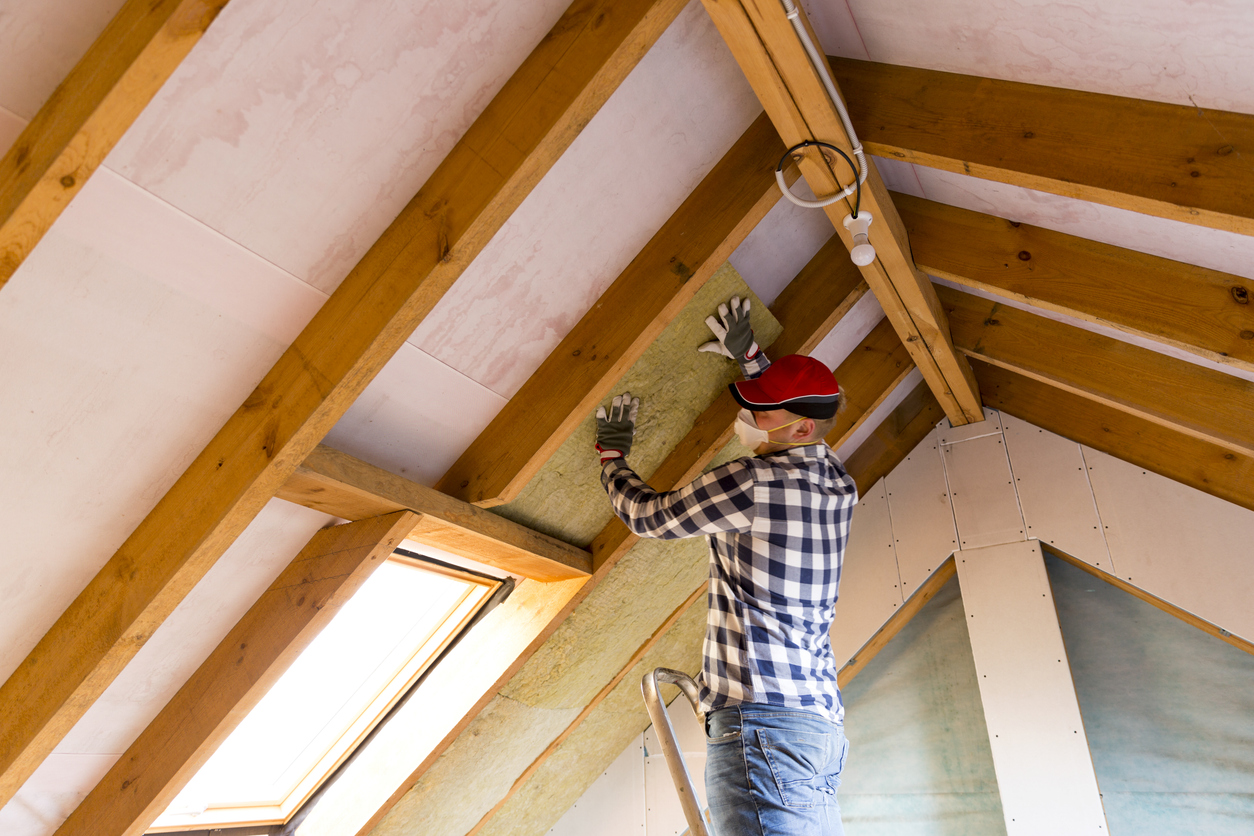
Ceiling insulation is crucial for maintaining a comfortable and energy-efficient home. Over time, however, insulation can degrade or become less effective, leading to higher energy bills and less comfort. This post will explore the top five indicators that it’s time to replace your ceiling insulation, ensuring your home remains cozy and efficient.
Why Ceiling Insulation Matters
Proper ceiling insulation helps regulate your home’s temperature, keeping it warm in the winter and cool in the summer. It also reduces energy consumption, saving you money on heating and cooling bills. Furthermore, good insulation can improve indoor air quality and reduce noise pollution. Therefore, understanding when it’s time for a replacement is essential for maintaining these benefits.
Unexplained Increase in Energy Bills
One of the most noticeable signs that your ceiling insulation may need replacing is a sudden spike in energy bills. If you notice higher heating or cooling costs without a change in usage patterns, your insulation may be at fault. Inefficient insulation forces your HVAC system to work harder, consuming more energy and raising your bills.
Keep track of your energy usage and compare it to previous months or years. A consistent increase could indicate that your insulation is no longer performing effectively.
Pay attention to your energy bills across different seasons. If you notice significant fluctuations, it might be time to assess your insulation’s condition.
Consider hiring a professional to conduct an energy audit. They can identify areas where your home is losing energy, including ineffective insulation.
Uneven Indoor Temperatures
Another indicator of failing insulation is uneven indoor temperatures. If some rooms are noticeably colder or warmer than others, your insulation may not be distributing heat evenly.
Walk through your home and feel for cold drafts or hot spots. These can be signs that your insulation is no longer providing adequate coverage.
Check your thermostat readings against the actual temperature in different rooms. Significant discrepancies can indicate insulation issues.
Effective insulation should maintain a consistent temperature throughout your home. If this isn’t the case, it’s worth investigating your insulation.
Visible Damage or Wear
Physical signs of damage or wear to your insulation are clear indicators that it needs replacing. This can include sagging, gaps, or visible mold growth.
Regularly inspect your insulation for any signs of wear and tear. Look for areas that appear compressed or damaged.
Mold and mildew growth on insulation is a serious issue. It can compromise the insulation’s effectiveness and pose health risks. Replace any moldy insulation immediately.
Rodents can damage insulation by nesting and creating gaps. If you notice signs of infestation, inspect your insulation for damage and consider replacement.
Increased Allergies and Respiratory Issues
Poor insulation can affect indoor air quality, leading to increased allergies and respiratory problems. Dust, mold, and other allergens can accumulate in old or damaged insulation, circulating through your home’s air.
Pay attention to any changes in your family’s health, particularly respiratory issues. Increased symptoms could be related to poor indoor air quality from compromised insulation.
Consider having your home’s air quality tested. High levels of allergens or pollutants can indicate that your insulation is no longer effective.
Replacing old insulation can improve your home’s air quality, leading to a healthier living environment.
Age of Insulation
The age of your insulation is another crucial factor. Most types of insulation have a lifespan, after which they become less effective. If your insulation is nearing the end of its expected lifespan, it may be time for an upgrade.
Different insulation materials have varying lifespans. Fiberglass typically lasts 20-30 years, while spray foam can last up to 80 years. Know the type of insulation in your home and its expected lifespan.
Perform regular maintenance checks on your insulation, especially as it nears the end of its lifespan. This can help you identify issues early and plan for replacement.
Advances in insulation technology mean newer materials are more efficient and environmentally friendly. Replacing old insulation can improve your home’s energy efficiency and reduce your carbon footprint.
Final Thoughts
Recognizing the signs that it’s time to replace your ceiling insulation is crucial for maintaining a comfortable and energy-efficient home. By monitoring energy bills, checking for uneven temperatures, inspecting for visible damage, noting health changes, and considering the age of your insulation, you can ensure your home remains well-insulated and cost-effective.
Ready to upgrade your insulation? Contact a team of experts from Insulation Removals for advice and professional installation services. Enjoy a cozier, healthier, and more energy-efficient home today.

