Designing a home that stays comfortable year-round requires more than simply installing a powerful HVAC system. True comfort comes from how the home itself supports heating and cooling performance. When insulation, airflow, and temperature control work together with energy efficient HVAC systems, the result is a more stable indoor environment that stays comfortable through changing seasons while using energy more efficiently.
Designing an Energy Efficient Home for Every Season
Designing a home that stays comfortable in every season means creating a balanced indoor environment that adapts naturally to changing weather. Instead of relying heavily on heating or cooling systems, or turning to frequent AC replacement when performance drops, to correct temperature problems, the home itself helps regulate comfort.
This approach is a key part of building an energy efficient home that works with HVAC technology rather than constantly relying on it.
This starts with how the house holds and moves air and heat. Good insulation slows heat loss in winter and blocks outdoor heat in summer. Proper sealing prevents drafts and stops conditioned air from escaping. Well-placed windows allow sunlight to warm living spaces in colder months while minimizing unwanted heat gain in summer.
A home that works in every season isn’t just efficient, it’s predictable. In many houses, comfort is reactive. The home overheats, the AC turns on. The house cools too much, the heat kicks in. The result is a constant cycle of correction that sometimes leads homeowners to consider upgrades like heating replacement, even when the underlying issue is the home itself.
A well-designed energy efficient home behaves differently. It resists temperature swings, so indoor conditions stay stable even as outdoor weather changes. In practice, this means the home does not constantly swing between too hot and too cold. Instead, it maintains a stable indoor climate with less energy, making the space comfortable year-round.
An energy efficient home is also designed so all rooms behave consistently. Bedrooms, living spaces, and hallways stay close to the same temperature, without hot or cold spots. Balanced airflow, controlled humidity, and steady temperatures allow heating and cooling systems to work more efficiently while maintaining comfort.
This stability comes from how the home manages heat movement, air movement, and moisture levels at the same time. When those factors are balanced, heating and cooling systems no longer have to “fight the house.” Instead, they fine-tune an already stable environment, keeping temperatures comfortable in winter, summer, and everything in between.
Seasonal Comfort Challenges and Home Climate Control
Homes experience different comfort challenges throughout the year because outdoor weather constantly affects indoor conditions. Seasonal comfort problems usually appear as patterns homeowners notice every year.
In winter, certain rooms may never seem warm enough. Floors feel cold, some areas heat faster than others, and uneven heating between floors can occur. Dry indoor air can also affect comfort.
In summer, the opposite happens. Upper floors trap heat, bedrooms stay warmer than the rest of the house, rooms may never cool properly, and humidity makes the air feel heavier.
Transitional seasons like spring and fall can create their own issues, including fluctuating temperatures and inconsistent airflow.
These issues rarely come from temperature alone. They happen because air distribution, humidity, and heat movement aren’t balanced throughout the home.
Modern home climate control systems address these challenges by actively managing temperature, airflow, and humidity together. Modern HVAC systems distribute conditioned air evenly throughout the home while maintaining consistent temperature levels. Zoning systems allow different parts of the house to be adjusted independently, preventing the common problem of one room feeling comfortable while another is uncomfortable.
Humidity control also plays an important role in home climate control. Proper humidity levels help homes feel cooler in summer and warmer in winter, improving comfort without dramatically increasing energy use.
The goal isn’t simply warmer winters and cooler summers, it’s consistency from room to room and season to season through balanced home climate control.
Cost-Effective Ways to Improve Home Comfort Year-Round
Many of the most effective comfort improvements are surprisingly simple and affordable. Cost-effective comfort home improvement strategies often focus less on adding equipment and more on helping the home retain and distribute conditioned air properly.
One of the first steps is air sealing. Small gaps around doors, windows, attic hatches, and electrical penetrations allow conditioned air to escape. For example, when small air leaks exist around doors, attic spaces, or duct connections, the HVAC system has to constantly compensate for escaping conditioned air. Sealing these leaks helps maintain indoor temperatures, reduces strain on HVAC equipment, and supports efficient home climate control.
Another cost-effective upgrade is improving insulation, especially in the attic. Heat naturally rises and escapes through poorly insulated ceilings, which forces heating systems to work harder in winter and cooling systems to run longer in summer. Even simple changes like improving attic insulation can make a noticeable difference by reducing the amount of heating or cooling required in the first place.
Homeowners can also benefit from installing smart thermostats that automatically adjust temperatures throughout the day. These systems support better home climate control by preventing unnecessary heating or cooling while maintaining comfort during occupied hours.
In many homes, airflow balance also affects comfort. Certain vents may deliver far more air than others, and adjusting dampers or improving airflow distribution can often resolve temperature differences between rooms without major upgrades.
Additional comfort home improvement ideas may include ceiling fans to improve airflow, window treatments that block summer heat, and routine HVAC maintenance to maintain system efficiency.
Together, these upgrades help create a more stable indoor environment while allowing existing systems to maintain comfort more efficiently without requiring large upfront investments.
Improve Home Comfort and Efficiency Solutions
Creating an energy efficient home typically involves combining several improvements that work together. Creating an energy efficient home usually means improving how the structure and the mechanical systems support each other.
The structure controls how much heating and cooling the home needs. High-performance insulation and air sealing form the foundation by reducing energy loss. When the building envelope is properly sealed, heating and cooling systems can maintain comfortable temperatures more easily. Insulation, airtight construction, and high-performance windows slow the movement of heat between indoors and outdoors.
Mechanical systems then maintain the indoor environment. Efficient heating and cooling equipment is also essential. Modern energy efficient HVAC systems such as high-efficiency heat pumps, variable-speed air conditioners, and advanced furnaces adjust their output based on demand, allowing them to operate more smoothly and efficiently. High-efficiency HVAC systems, ventilation systems, and humidity control help regulate air quality and temperature.
Additional solutions that improve both comfort and efficiency include whole-home humidity control, smart thermostats and zoning systems, energy efficient windows and doors, and balanced ventilation systems that bring in fresh air without wasting energy.
When these elements work together, the result is an energy efficient home that requires less energy to stay comfortable. Instead of constantly adding heating or cooling, the home maintains a stable indoor climate that HVAC systems simply maintain and refine. Efficiency comes not from a single upgrade but from how well the entire system works together.
How Energy Efficient HVAC Systems Improve Year-Round Comfort
Modern energy efficient HVAC systems are designed to adjust continuously rather than operate in simple on-and-off cycles. Energy efficient HVAC systems improve comfort by operating more gradually and more precisely.
Traditional systems often run at full capacity until the thermostat setting is reached, then shut off completely. Older systems typically function in extremes: full power on, then completely off. This can lead to noticeable temperature swings and uneven comfort, with rooms feeling too warm, then too cool.
High-efficiency energy efficient HVAC systems use variable-speed technology that allows the system to run at lower levels for longer periods. Modern systems are designed to modulate their output, adjusting heating or cooling levels continuously based on the home’s needs. Instead of blasting hot or cold air intermittently, the system provides steady airflow that maintains consistent temperatures.
This longer, steadier operation also improves humidity control and air circulation, which are critical factors in year-round comfort and effective home climate control.
As a result, homeowners experience a more consistent indoor climate while benefiting from improved system efficiency and reduced energy costs. In practice, the difference homeowners notice most is consistency: temperatures remain more stable, airflow feels more even, and the home avoids the noticeable heating and cooling cycles common with older equipment.
Comfort Home Improvement for Better Home Climate Control
Several home upgrades can significantly improve temperature stability and indoor comfort. Many comfort home improvement projects focus on reducing the causes of uneven comfort rather than simply increasing heating or cooling output.
One common issue is duct systems that lose conditioned air before it reaches living spaces. One important upgrade is ductwork improvement or sealing. Leaky or poorly designed ducts can waste conditioned air and create uneven temperatures throughout the home. Sealing and balancing ductwork helps ensure that each room receives the airflow it needs, improving overall home climate control.
Another impactful comfort home improvement option is installing zoned climate control systems. Zoning divides the home into separate areas that can be heated or cooled independently, allowing homeowners to maintain comfortable temperatures in occupied spaces without overconditioning the entire house. This allows areas with different heating and cooling needs, such as upper floors or sun-exposed rooms, to be adjusted independently.
Improved insulation and high-performance windows can also stabilize indoor temperatures by slowing heat transfer through walls and ceilings. Other upgrades that enhance climate control include upgrading insulation in attics and walls, installing high-performance windows, adding whole-home humidifiers or dehumidifiers, and improving ventilation systems for better airflow.
These upgrades help homes maintain a consistent indoor environment regardless of outdoor weather changes. Together, these improvements help create an indoor environment where temperature changes occur gradually rather than abruptly, which is a key characteristic of a comfortable home.
Extending the Season with Pool Heating
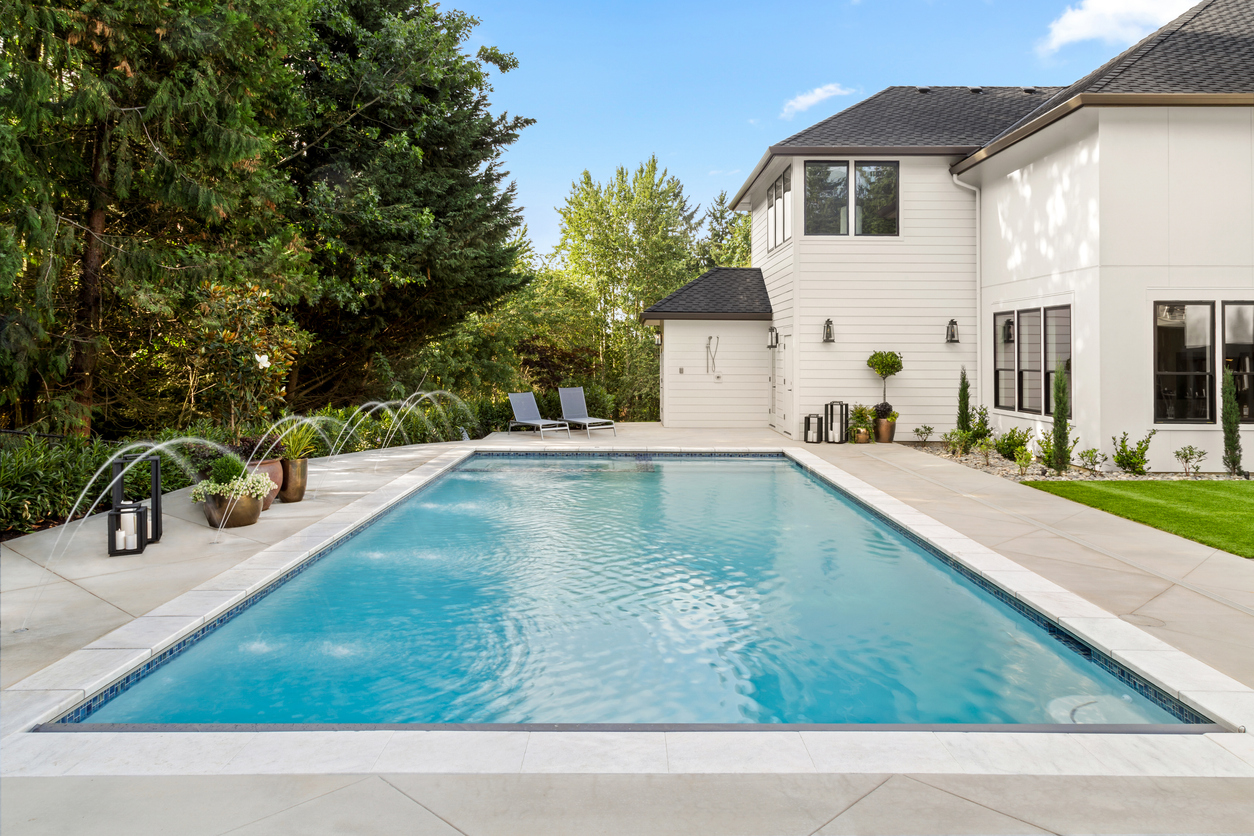
Outdoor living spaces are often used only during the warmest months, but features like pool heating can significantly extend their usability.Outdoor spaces are often underused because they depend heavily on weather conditions. When temperatures drop slightly outside the peak of summer, many pools become too cold to enjoy.
Pool heating systems allow homeowners to maintain comfortable water temperatures even when outdoor air becomes cooler. Pool heating changes this dynamic by allowing homeowners to control water temperature independently of outdoor air conditions. Instead of relying solely on warm weather, pools can remain comfortable even when evenings become cooler or seasons begin to change.
Modern pool heating options include heat pumps, gas heaters, and solar heating systems, each designed to warm pool water efficiently. Many homeowners also use automated pool cleaning devices to keep water clear and reduce maintenance, helping the pool remain ready for use throughout the extended swimming season. When paired with pool covers that reduce heat loss, these systems help maintain consistent water temperatures while minimizing energy use.
This extends the practical swimming season by several weeks or even months in many regions. By extending the swimming season, pool heating transforms outdoor areas into multi-season spaces for relaxation, exercise, and entertaining.
More importantly, heated pools transform outdoor spaces from occasional summer features into longer-term recreational areas, making patios, decks, and backyard gathering spaces usable across a wider portion of the year, increasing the overall value and enjoyment of the home.
Balancing Comfort with Energy Efficient HVAC Systems
The key to balancing comfort improvements with long-term efficiency is to prioritize upgrades that reduce energy demand first. Balancing comfort and efficiency starts with recognizing that bigger equipment is not always the solution.
Many homeowners try to solve comfort issues by installing larger heating or cooling systems. However, if the home itself allows heat to escape or air to leak, larger systems often cycle more frequently without solving the underlying problem.
Before installing new heating or cooling equipment, homeowners should focus on improvements that help the home retain conditioned air. Insulation, air sealing, and duct improvements reduce the amount of heating and cooling required, allowing energy efficient HVAC systems to operate more effectively. A better approach is to reduce the home’s energy demand first. Improvements such as air sealing, insulation upgrades, and airflow adjustments reduce how much heating and cooling the home actually needs.
Once the home’s energy performance improves, upgrading to energy efficient HVAC systems can further enhance comfort and reduce operating costs. Once these improvements are in place, high-efficiency HVAC systems can operate under ideal conditions, providing consistent comfort while using less energy.
A balanced approach may include improving insulation and sealing air leaks, optimizing ductwork and airflow, installing smart thermostats and zoning controls, and upgrading to high-efficiency HVAC equipment.
By addressing both the home structure and mechanical systems, homeowners can achieve lasting comfort improvements while keeping energy consumption under control. This approach ensures that comfort upgrades support long-term efficiency rather than working against it.
Maintaining an Energy Efficient Home Year-Round
Regular maintenance helps ensure that an energy efficient home continues to perform as intended. An energy efficient home depends on systems that continue operating as designed.
Over time, airflow restrictions, dirty components, and minor mechanical issues can gradually reduce HVAC performance. Even small inefficiencies force systems to work harder to maintain comfort. Routine maintenance helps prevent these gradual losses.
One of the most important tasks is changing HVAC air filters regularly. Dirty filters restrict airflow and force heating and cooling systems to work harder than necessary. Replacing air filters regularly keeps airflow unrestricted, while professional inspections ensure heating and cooling equipment operates safely and efficiently. Routine maintenance helps prevent these gradual losses and allows energy efficient HVAC systems to continue operating efficiently.
Seasonal HVAC inspections also help identify issues before they affect comfort or efficiency. Professional maintenance typically includes cleaning system components, checking refrigerant levels, inspecting electrical connections, and verifying proper airflow.
Homeowners can also periodically check for new air leaks, inspect insulation in accessible areas, and keep outdoor equipment clear of debris. Other helpful maintenance practices include inspecting insulation and sealing gaps that develop over time, cleaning vents and registers to maintain airflow, checking thermostat calibration, and maintaining outdoor equipment such as condensers and heat pumps.
These simple maintenance practices help preserve system efficiency, maintain consistent indoor comfort, and support long-term home climate control throughout the year.

