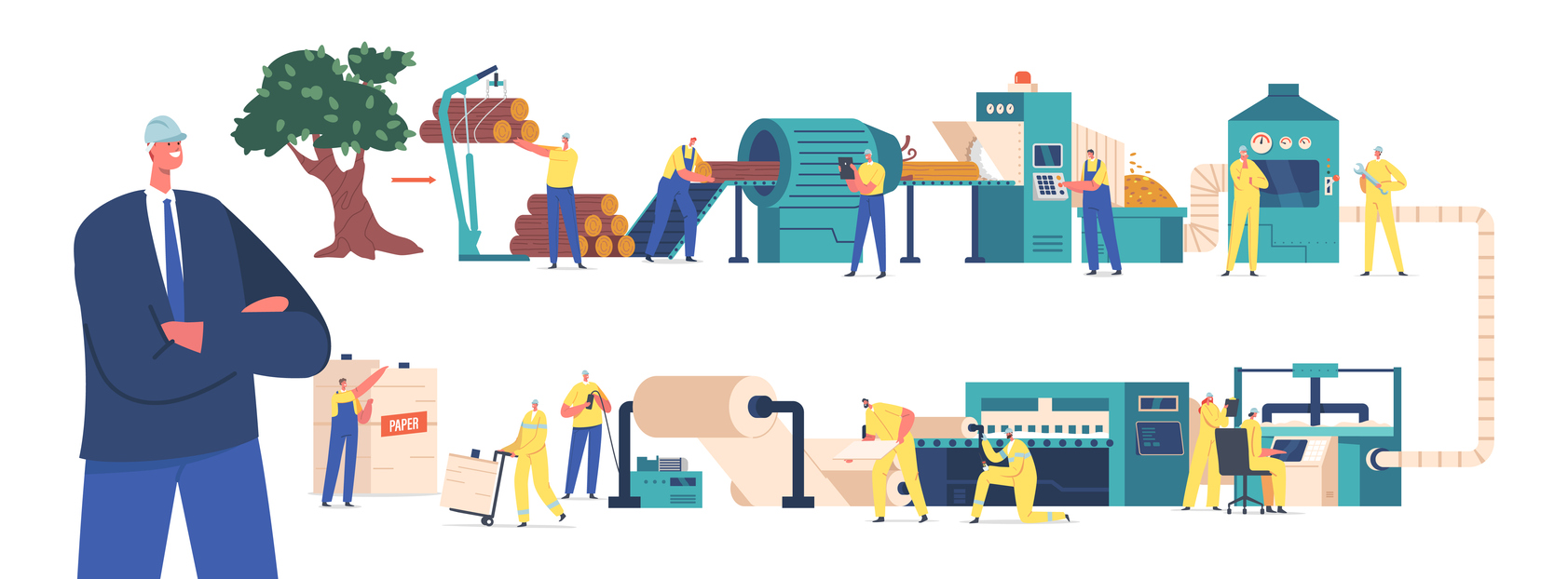
Any factory owner or manager knows the importance of efficiency and productivity in their workspace. But no matter what sector you oversee, it can be overwhelming at times to figure out where to start when it comes to improving your processes. That’s why we have compiled a list of ten tools that are affordable yet effective in streamlining your factory operations. Let’s explore these options together and see how they can help take your factory to the next level.
Inventory Management Software
Keeping track of inventory is crucial for any factory, and doing it manually can be time-consuming and prone to errors. With inventory management software, you can automate this process, ensuring accurate stock levels, reducing the risk of stockouts or overstocking, and improving supply chain efficiency.
Task Management Tools
A smooth workflow requires proper task management. Task management tools allow you to assign tasks, set deadlines, and track progress efficiently. This not only helps with organization but also promotes accountability among team members.
The good news is that there are plenty of task management tools available online, and many of them offer free or affordable options. Just be sure to do some research and find the tool that best fits your factory’s specific needs and budget.
Quality Control Systems
Maintaining quality standards is a top priority in manufacturing industries. With advanced quality control systems, you can automate and streamline quality checks, ensuring consistent product quality, and reducing the risk of defects.
To ensure the effectiveness of your quality control systems, be sure to assign someone responsible in charge of overseeing and managing them. This person should have a good understanding of your factory’s processes and products, as well as strong attention to detail. They should also be able to analyze data and identify areas for improvement in your quality control processes.
Employee Scheduling Software
Managing employee schedules manually can be a headache, especially when dealing with shift work or rotating schedules. Employee scheduling software takes away this burden by allowing you to create and manage schedules effortlessly, ensuring optimal utilization of your workforce.
Data Analytics Tools
In today’s digital age, data plays a crucial role in any business’s success. Data analytics tools can help you gather valuable insights from production data, identify areas for improvement, and make informed decisions to optimize factory workflow.
No matter your industry, it’s essential to regularly update your data analytics tools to ensure accurate and relevant insights. This could mean updating the tool itself or inputting new data into the system. How often you should do this depends on your factory’s size, production volume, and specific needs. Some may need daily updates, while others may only require weekly or monthly updates.
Preventive Maintenance Software
Maintaining equipment is essential to avoid unexpected breakdowns and costly repairs. Preventive maintenance software helps you stay on top of equipment maintenance schedules, reducing downtime and improving overall efficiency.
One challenge with preventive maintenance is ensuring that employees are diligent in following the maintenance schedule and taking care of equipment properly. To address this, it’s crucial to provide proper training on equipment usage and maintenance procedures. Additionally, implementing a system of rewards or incentives for employees who consistently follow the maintenance schedule can help encourage compliance. Regularly checking in with employees and addressing any issues promptly can also help ensure that equipment is taken care of correctly.
Time Tracking Systems
Understanding how long it takes to complete a task or project is essential for accurate planning and scheduling. Time tracking systems allow employees to log their time spent on tasks, giving managers an insight into productivity levels and identifying areas for improvement.
Remember that time tracking should not be used as a tool for micromanagement. Instead, it should be implemented as a way to gather data and identify opportunities for improvement. It’s essential to communicate this to your team and ensure that they understand the purpose of time tracking is not to monitor their every move, but rather to optimize processes and promote efficiency. Trust and open communication are key in successfully implementing time tracking systems without creating a negative work environment.
Automated Material Handling Equipment
Material handling can be a significant source of inefficiency in factories if not optimized properly. Investing in automated material handling equipment, such as conveyor belts or robotic arms, can significantly improve workflow by reducing manual labor and increasing speed and accuracy.
Lean Manufacturing Principles
Implementing lean manufacturing principles involves identifying and eliminating waste in production processes. This can lead to significant improvements in efficiency, quality, and cost reduction.
Partnering with another business that follows lean manufacturing principles can also be beneficial, including someone at Accurate Products Inc. By collaborating and sharing best practices, you can both learn from each other and implement new strategies to optimize your workflow. This partnership can also lead to cost savings through bulk purchasing of materials or jointly investing in specialized equipment. Additionally, having a support system within the industry can provide valuable insights and advice on overcoming challenges and continuously improving processes.
Continuous Improvement Practices
Lastly, the most effective way to optimize factory workflow is by establishing a culture of continuous improvement. Encourage employees to provide feedback, identify bottlenecks, and come up with innovative solutions to streamline processes continually. With this mindset, your factory will continuously evolve and improve over time.
By implementing these solutions, you can expect to see improved productivity, better quality control, reduced costs, and ultimately achieve bigger returns on your investment in the long run. So why not start exploring these options today and take your factory to the next level?

