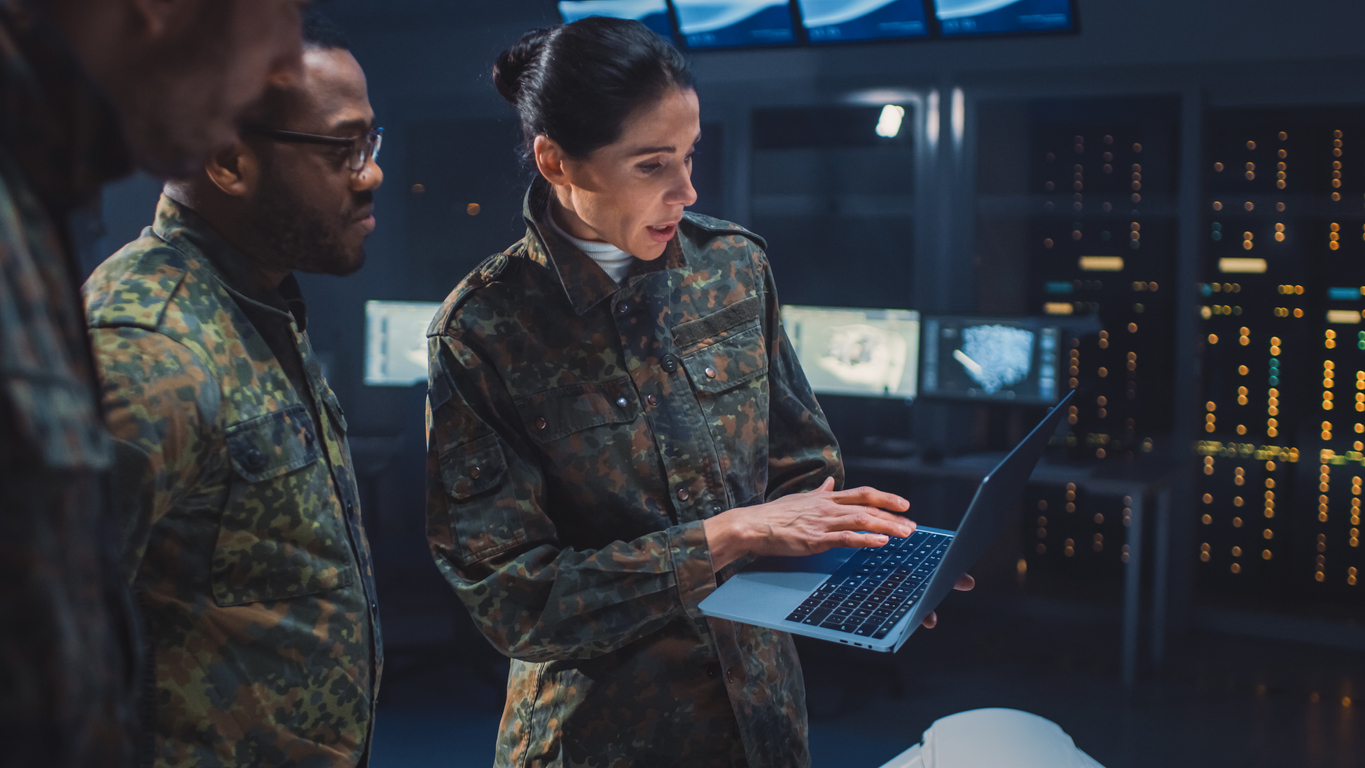
Military training has evolved significantly over the past few decades, driven by technological advancements, changing warfare tactics, and an increased focus on adaptability and efficiency. This evolution is crucial for preparing soldiers to meet the challenges of contemporary combat environments. The latest advancements in military training encompass a variety of tools and techniques designed to enhance the effectiveness, realism, and efficiency of training programs. Advanced training methods are now more comprehensive and versatile, catering to diverse combat scenarios and individual needs. These innovations not only improve readiness but also ensure military personnel are equipped with the skills needed for modern conflicts.
Simulation and Virtual Reality
One of the most transformative advancements in military training is the integration of simulation and virtual reality (VR) technologies. These tools provide highly realistic training environments where soldiers can practice complex scenarios without the risks associated with live exercises. Simulators can recreate a wide range of environments, from urban combat zones to rugged terrain, allowing soldiers to experience different scenarios in a controlled setting. VR systems also enable the repetition of specific drills, helping to refine skills and decision-making processes. This immersive approach helps soldiers become accustomed to the high-stress conditions of combat, improving their performance and reaction times in real-world situations.
Enhanced Live Training Exercises
Live training exercises have also seen significant improvements through the adoption of advanced technologies. Modern training facilities now include sophisticated equipment such as motion-tracking systems and smart targets that provide real-time feedback to trainees. This technology allows for a more dynamic and interactive training experience, where soldiers can receive immediate assessments of their performance. Enhanced live training also involves the use of realistic weaponry and tactical gear that closely mimics the equipment used in actual combat, providing a more authentic training experience. Such advancements ensure soldiers are better prepared for the physical and psychological demands of their missions.
Integration of Artificial Intelligence
Artificial intelligence (AI) is increasingly being incorporated into military training programs to enhance both training effectiveness and efficiency. AI-powered systems can analyze vast amounts of data from training exercises to identify patterns and provide insights into areas where improvements are needed. For example, AI can be used to evaluate a soldier’s performance during simulation exercises, offering detailed feedback and personalized recommendations for improvement. Additionally, AI-driven training platforms can adapt in real-time to the trainee’s performance, presenting new challenges as the trainee progresses. This adaptive learning approach ensures training remains relevant and tailored to the needs of each individual soldier.
Advances in Marksmanship Training
Advancements in marksmanship training have also been notable, with new techniques and tools enhancing the accuracy and effectiveness of soldiers’ shooting skills. One such innovation is the use of dry fire training, which involves practicing shooting techniques without live ammunition. This method allows soldiers to focus on improving their accuracy, trigger control, and overall shooting mechanics in a safe and controlled environment. This training can be integrated into regular practice routines, helping to build muscle memory and enhance shooting proficiency. Coupled with traditional live-fire exercises, this approach provides a comprehensive training regimen that prepares soldiers for a wide range of scenarios.
Focus on Physical and Mental Conditioning
Modern military training also places a significant emphasis on both physical and mental conditioning. Recognizing the importance of overall fitness and psychological resilience, training programs now include specialized routines designed to enhance endurance, strength, and mental fortitude. Physical conditioning programs are tailored to meet the specific demands of various military roles, ensuring soldiers are in peak physical condition. Mental conditioning, on the other hand, addresses the psychological challenges of military service, including stress management and decision-making under pressure. By integrating these elements into training programs, military organizations can better prepare their personnel for the rigors of combat and operational environments.
Conclusion
The advancements in military training reflect a broader trend toward increasing effectiveness, realism, and adaptability. By leveraging technologies such as simulation, virtual reality, artificial intelligence, and advanced marksmanship tools, military training programs are better equipped to prepare soldiers for the complexities of modern warfare. The integration of these innovations ensures training remains relevant and effective, addressing both the physical and psychological demands of military service. Enhanced training programs also support rapid adaptation to emerging threats and evolving combat scenarios. As technology continues to evolve, military training will likely continue to advance, incorporating new tools and techniques to further enhance the readiness and capability of military personnel.

