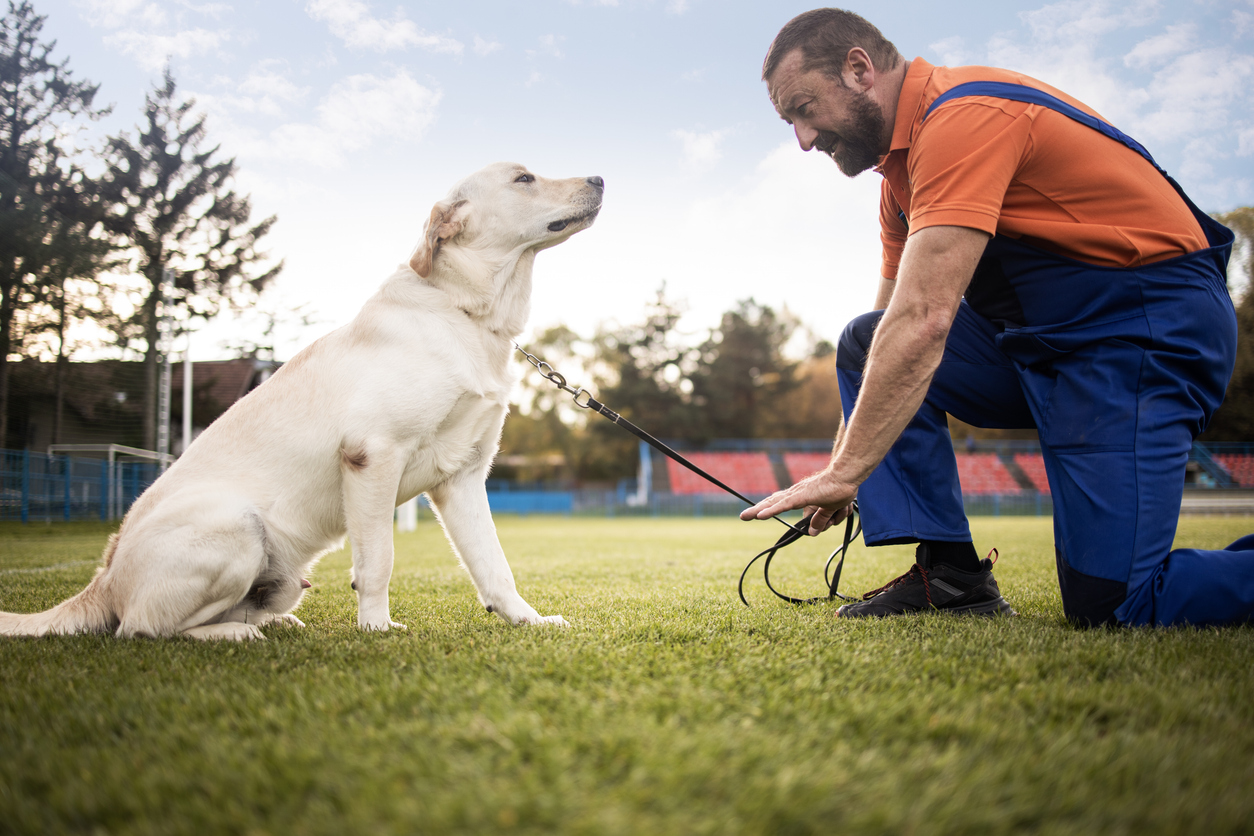
Effective dog training relies on consistency, communication, and an understanding of how dogs process new information. When training methods are clear and supportive, dogs build confidence and learn new behaviors more quickly. Whether teaching basic obedience or addressing more advanced skills, the right techniques create a positive learning environment that strengthens the bond between dogs and their owners. A thoughtful approach helps dogs stay focused, reduces frustration, and encourages steady progress.
Using Positive Reinforcement to Build Motivation
Positive reinforcement remains one of the most reliable ways to help dogs learn faster. Rewarding desired behaviors with treats, praise, or affection encourages dogs to repeat those actions. This method helps dogs associate training with enjoyable experiences, making them more eager to participate. Reinforcement should be delivered immediately so the dog understands exactly which behavior earned the reward. Over time, consistent positive reinforcement helps shape reliable habits and strengthens communication between dog and handler.
Keeping Training Sessions Short and Focused
Dogs learn best when training sessions are kept short, structured, and engaging. Long sessions can lead to distraction or frustration, especially for younger dogs with shorter attention spans. Brief, focused sessions help maintain enthusiasm and allow dogs to absorb information more effectively. Ending sessions on a positive note reinforces confidence and encourages the dog to look forward to the next training opportunity. This approach supports steady progress while preventing burnout for both dog and owner.
Practicing Consistency in Commands and Expectations
Consistency is essential for helping dogs understand what is expected of them. Using the same cues, tone, and timing ensures that dogs receive clear and predictable communication. When multiple people are involved in training, everyone should follow the same guidelines to avoid confusion. Consistent expectations help dogs learn faster because they can rely on familiar patterns and responses. This clarity reduces mistakes and supports long term success in both basic obedience and more advanced skills.
Introducing Distractions Gradually for Stronger Reliability
Dogs often learn commands quickly in quiet environments but struggle when distractions are present. Introducing distractions gradually helps strengthen reliability and ensures that dogs can perform behaviors in real world situations. Starting with mild distractions and slowly increasing difficulty allows dogs to build confidence without becoming overwhelmed. This method helps reinforce focus and teaches dogs to respond to cues even when their surroundings are more stimulating. Gradual exposure supports stronger, more dependable behavior over time.
Addressing Behavioral Challenges With Professional Support
Some dogs face behavioral challenges that require specialized guidance. When issues such as reactivity or aggression arise, working with professionals who offer reputable dog aggression training can make a significant difference. These trainers use structured, evidence based methods to help dogs overcome difficult behaviors safely and effectively. Professional support provides tailored strategies that address the root of the problem, helping dogs learn more efficiently and reducing stress for both the dog and the owner. Early intervention often leads to better outcomes and smoother training progress.
Reinforcing Skills Through Real Life Practice
Training becomes most effective when skills are practiced in everyday situations. Applying commands during walks, mealtime, or play helps dogs understand how behaviors fit into daily routines. Real life practice strengthens retention and teaches dogs to respond reliably outside of formal training sessions. This approach also helps owners identify areas that may need additional reinforcement. When training becomes part of daily life, dogs learn faster and develop stronger, more consistent habits.
Conclusion
Helping dogs learn faster involves using positive reinforcement, keeping sessions focused, maintaining consistency, introducing distractions gradually, seeking professional support when needed, and practicing skills in real life settings. With a thoughtful and patient approach, dogs develop confidence, build strong habits, and enjoy a more rewarding training experience.

