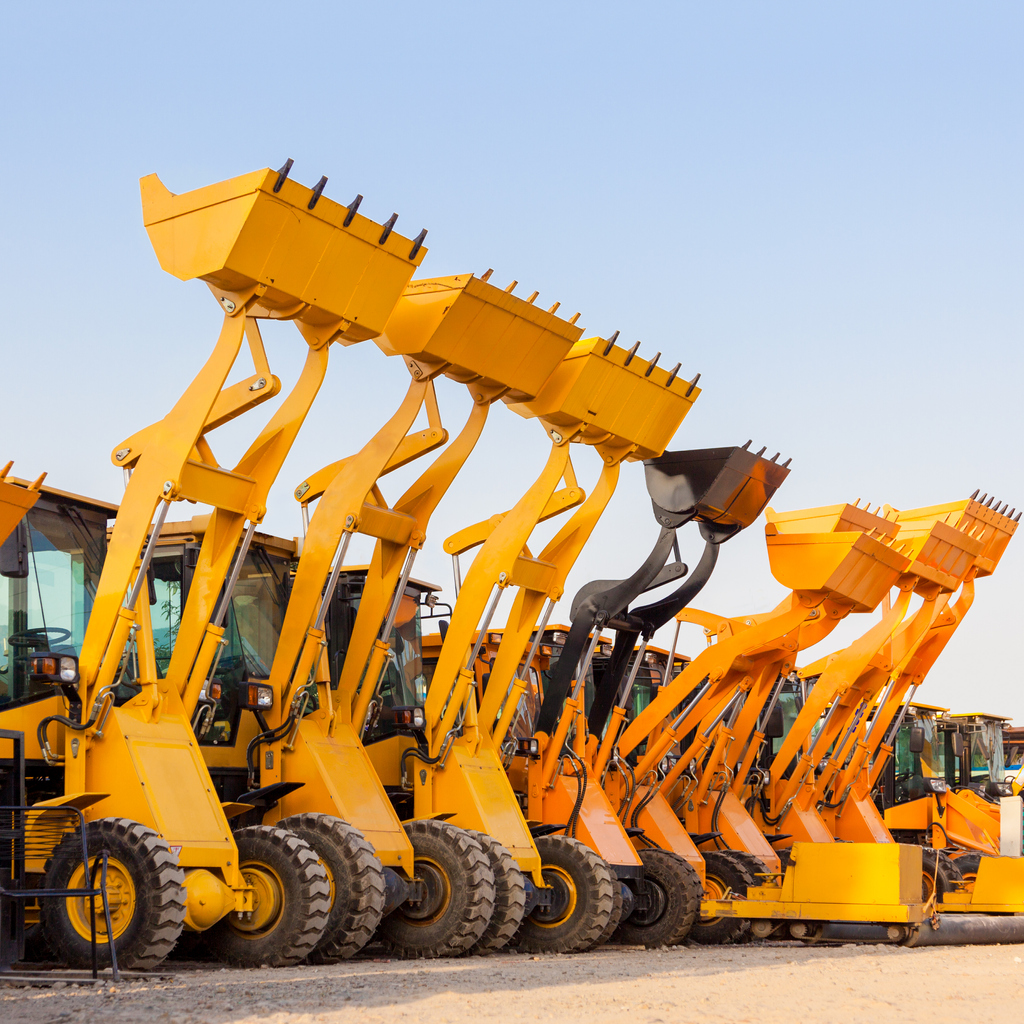
Driven by technical developments, environmental objectives, and changing project needs, the leasing business for construction equipment is changing fast. These days, construction organizations look for adaptability, economy of cost, and innovative technologies, so equipment leasing becomes a desirable substitute for buying. From temporary initiatives to major infrastructure improvements, leasing provides access to the newest tools free from long-term commitment or maintenance expenses. Leasing is becoming the industry norm for handling equipment demands as creative finance structures, internet platforms, and environmentally friendly solutions become more common.
Increased Demand
Technology integration in building equipment has changed the leasing scene and made modern machinery more easily available. To enhance productivity, save costs, and raise safety, businesses are seeking equipment with integrated GPS tracking, telematics, and automation capabilities more and more. By leasing high-tech equipment, building companies may profit from the most recent developments free from the heavy ownership expenses. Real-time data on equipment use, fuel consumption, and predictive maintenance this technology offers helps businesses properly run their operations and lower downtime. By enabling businesses to track and maximize fuel use, which reduces emissions and running expenses, advanced technology also promotes environmental aims. Faster project completion times and lower labor costs follow from these technologically enabled equipment’ better performance. Technology’s inclusion into rented equipment improves project management, facilitating businesses’ ability to satisfy budgets and deadlines. Leasing businesses are broadening their products to incorporate smart machinery supporting contemporary building demands as demand rises.
Shift Towards Sustainable
Construction is hardly an exception; sustainability now takes the stage in many different sectors. As building firms try to lower their environmental effect, leasing environmentally friendly equipment has become very popular. Consistent with environmental rules and green building requirements, electric and hybrid construction machinery generates less emissions than conventional diesel-powered equipment. Leasing businesses have responded by providing a range of sustainable choices, therefore enabling building companies to lower their carbon footprint without requiring a large initial outlay of funds. Because eco-friendly equipment frequently requires less fuel and maintenance than traditional technology, it also lowers running expenses. Furthermore, appealing to environmentally conscientious consumers and project owners that give green practices priority are sustainable equipment solutions.
Digital Platforms Streamlining Equipment Access
Equipment leasing companies have been transformed by digital channels, which also speed and simplify the procedure. These days, web portals and smartphone apps allow contractors to easily discover, reserve, and oversee tools. These digital solutions give contractors the resources they need to make hasty judgments as they instantly access price, availability, and equipment specs. Leasing firms also provide digital documentation, online booking, and real-time tracking, thereby simplifying the whole leasing procedure and cutting much of the conventional paperwork. Real-time tracking lets building companies maximize asset use by seeing equipment location, use, and maintenance schedule. Increased openness guarantees that projects remain on schedule and helps to minimize equipment downtime.
Flexible Leasing Models
As building firms look for tailored solutions to fit their particular project needs, demand for flexible leasing choices has expanded. Short-term, long-term, rent-to-own, and seasonal leases are just a few of the varied options leasing firms today provide. These approaches help builders scale their equipment requirements based on project size and duration, therefore relieving the financial load of long-term ownership. For projects with limited time or unique equipment requirements, short-term leasing is especially common as it lets businesses access specialized machinery without making a large outlay of funds. Flexible leasing also enables building companies to change their equipment use as project requirements change, therefore guaranteeing they have the correct tools for every stage.
Emphasis on Preventive Maintenance
Strong service assistance and preventative maintenance are key elements of effective equipment leasing; leasing firms are giving these services top priority in order to raise customer satisfaction. Frequent maintenance guarantees that rented equipment runs at maximum performance, therefore lowering the chance of problems and so minimizing downtime. Usually including maintenance packages including periodic inspections, repairs, and part replacements, leasing firms also include This strategy lets building enterprises concentrate on their projects free from equipment maintenance’s logistics and expenses.
Conclusion
Driven by technology, sustainability, and a desire for adaptability, the leasing business in construction equipment is changing. Leasing will continue to be a great tactic for building firms trying to remain competitive, effective, and environmentally conscious as the sector expands. By using this dynamic strategy, building companies may welcome innovation while keeping the adaptability required to satisfy the needs of an always-shifting market.

