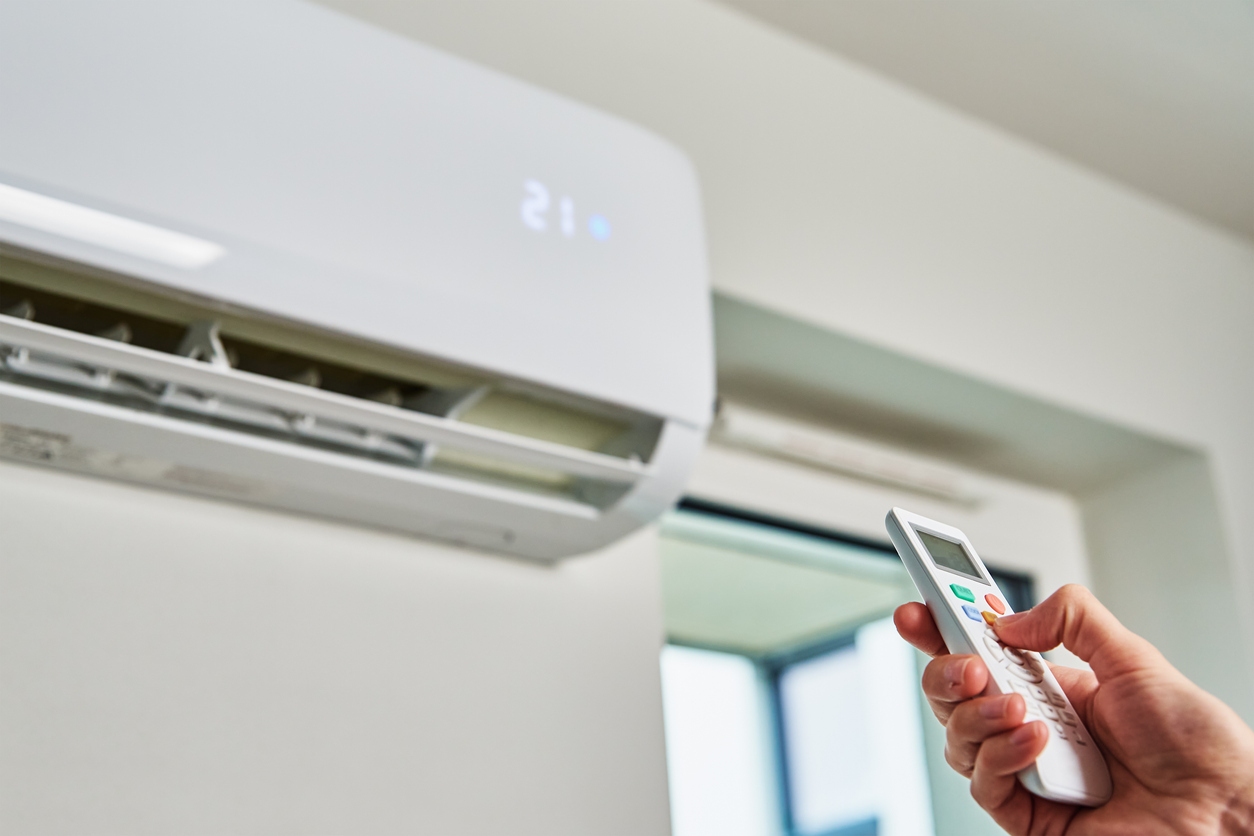
Installing an air conditioner is a task that may seem complicated, especially for those who have never done it before. Therefore, if you do not have such experience, you can always order the HVAC installers here, and if you approach the matter with due preparation and knowledge of the basics, you can install the air conditioner yourself. In this article, we will analyze all the stages of installation in detail, give useful tips and tricks, and also explain what you need to consider so that your air conditioner works efficiently and for a long time.
What is an air conditioner, and why is it needed?
Before delving into the technical details of installation, let’s talk briefly about what an air conditioner is and why it is needed in everyday life. An air conditioner is a device that is designed to regulate the temperature and humidity in a room. It not only cools the air on hot days but can also heat it in the cold season, cleaning it from dust and allergens. Have you ever wondered what it’s like to find yourself in a room with stuffy air and no fans can help? That’s when you realize how important an air conditioner is. It provides comfortable conditions for work and rest, creating a cozy atmosphere.
Advantages and disadvantages of air conditioners
When buying and installing an air conditioner, it’s important to consider both the advantages and the disadvantages. Let’s examine the table to analyze the main pros and cons.
Advantages
- Efficient cooling and heating of rooms
- Air filtration, which is important for allergy sufferers
- Ease of use – most models have a remote control.
- Multifunctionality – heating and cooling functions
Disadvantages
- Energy costs – can increase electricity bills.
- Requires regular maintenance and cleaning
- Installation may require additional costs if you do not do it yourself.
- Noisy, especially low-quality models
As you can see, air conditioners have pros and cons, and before deciding, it is worth considering all aspects.
Choosing a location for installing an air conditioner
Before installing, you need to choose the right location for the air conditioner. This is an important step that affects the efficiency of the device. Let’s look at the basic rules for choosing a location.
Where is the best place to install an air conditioner?
Here are some recommendations to help you decide on a location:
Avoid placing it near windows and doors to avoid cold air loss.
Install the air conditioner at 2-3 meters from the floor for optimal air distribution. Do not place the device in corners or behind furniture – this interferes with normal air circulation. Make sure that there are no obstacles in the room so that hot air can escape from the back of the unit. Choosing a location for the indoor unit is only half the battle. You also need to think about the outdoor unit.
Choosing a location for the outdoor unit
There are also some nuances to installing the air conditioner’s outdoor unit. Here are some tips:
Installation on the roof or balcony can be a good idea, especially if you live on high floors.
Avoid locations where the unit will be exposed to direct sunlight for long periods of time – this may reduce its efficiency.
Make sure that the installation location provides maintenance access. Choosing the right location will ensure the long and trouble-free operation of your air conditioner.
Installation tools and materials
Before you begin installing the air conditioner, you must prepare all the necessary tools. This will greatly simplify your work and avoid unnecessary delays. Let’s take a look at what exactly you’ll need:
- Tool list
- You can use this set:
- Drill with a drill bit for concrete
- Screwdriver (flat and Phillips)
- Keys (sizes 7-10-12-14 mm)
- Level
- Ruler or tape measure
- Hammer
- Pliers
- Insulating tape
- Freon hoses (if required)
- Necessary materials
- In addition to tools, it’s worth preparing the following materials:
- Fasteners (anchors, bolts, dowels)
- Pipes for connecting the air conditioner
- Insulating materials for pipes
- Freon (if your model requires refilling)
Collecting everything you need before starting work is an important step. It helps to avoid unnecessary trips to the store and save time.
Stages of installing an air conditioner
Now that we have prepared everything we need and chosen the places for installation, it’s time to start installing the air conditioner. This process has several steps.
Step 1: Installing the Indoor Unit
The first thing we will do is install the indoor unit. To do this: 1. Choose where the indoor unit will be located. 2. Use a level to mark a horizontal line for mounting. 3. Make holes in the wall for the fasteners. 4. Attach the bracket on which the unit will be installed. 5. Now, you can hang the indoor unit itself. It is important to make sure that the unit is at the installed level; otherwise, it may cause problems in the future.
Step 2: Installing the Outdoor Unit
Now we need to install the outside external unit. This process involves: 1. Selecting a location as discussed earlier. 2. Installing brackets to mount the external unit on a wall or roof. 3. Securing the unit with bolts and dowels. 4. Check that no obstructions could interfere with the unit’s operation. It is also worth remembering that the external unit requires good ventilation to operate properly.
Step 3: Connecting the Tubes
Once the units are installed, it is time to connect the tubes: 1. Run the tubes from the internal unit to the external unit. 2. Connect the copper tubes to the appropriate inputs, observing the direction. 3. Make sure the connections are well repaired and have no leaks. If you are not confident in your abilities, contacting professionals for this step is better.
Step 4: Filling the System with Freon
Filling the system with Freon is a crucial step since improper filling can negatively affect the operation of the air conditioner. I leave this process to the conscience of a specialist.
Step 5: Checking the air conditioner operation
Once the installation and connections are complete, it’s time to check the air conditioner operation. Turn on the units at minimum power and see how they function. Make sure that:
- The air comes out cold or warm (depending on the mode)
- There are no unpleasant odors or extraneous noises
- The external unit operates without overheating
- Air conditioner maintenance tips
- Your air conditioner is a device that requires care and attention.
Here are some simple maintenance tips:
- Regularly clean the filters – this will help maintain the device’s efficiency.
- Check the freon level – an unfilled system will not work efficiently.
- Have regular maintenance by specialists – this will help avoid serious breakdowns.
Conclusion
Installing an air conditioner can be done independently if you approach the process with due responsibility. We hope that our article has given you all the necessary information on how to install, what tools and materials you will need, and maintenance tips. Don’t forget that it’s better to contact professionals if you have any difficulties or doubts. Your comfort in the house is worth it!

