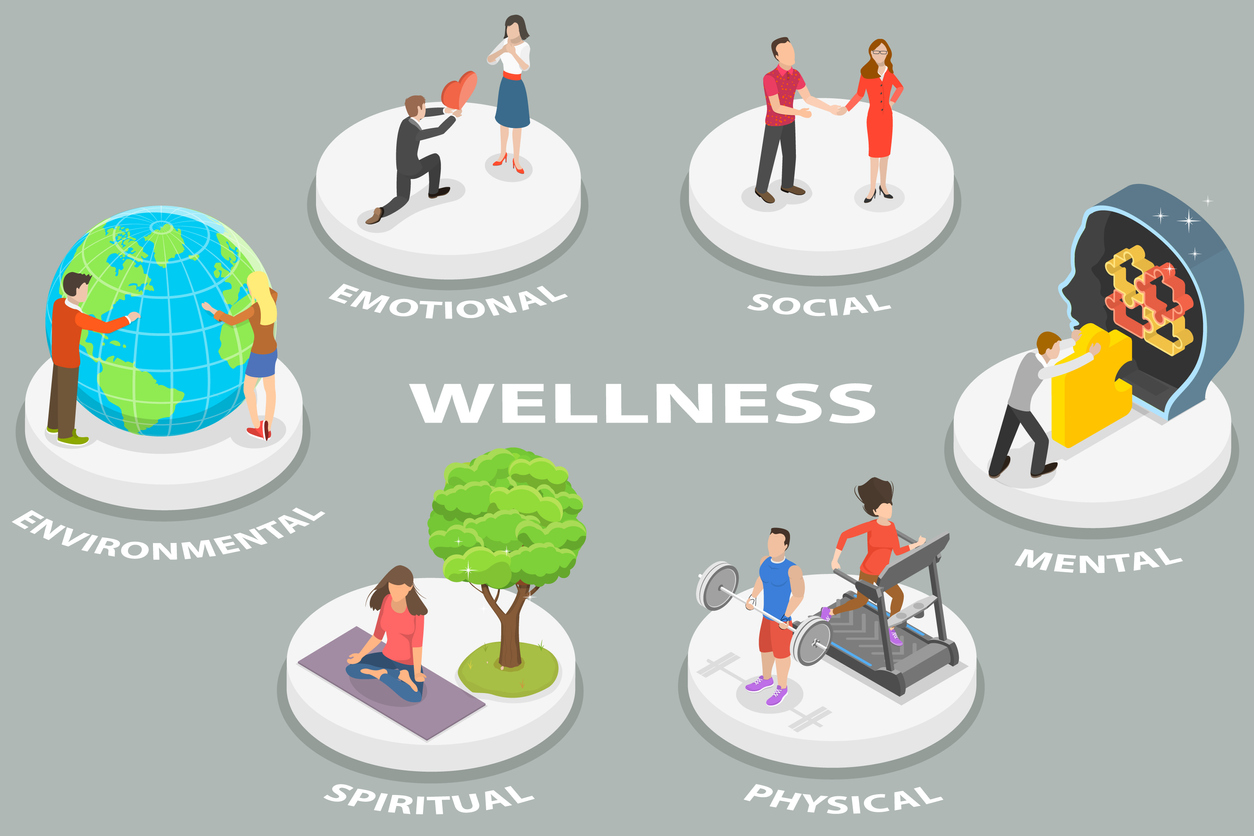
Employee health and well-being are not only moral issues in today’s fast-paced business environment, but they are also essential to an organization’s success. Workers who are in good physical and mental health are more motivated, engaged, and effective. They are more capable of managing stress, overcoming obstacles, and making valuable contributions to their teams. On the other hand, disregarding employee health can result in increased turnover rates, lower productivity, and absenteeism—all of which hurt the bottom line. Adopting successful wellness practices has become a crucial business practice as organizations look to gain a competitive advantage. This essay explores practical tactics that companies may use to develop a workforce that is more resilient, happier, and healthier.
Invest in Assistance for Mental Health
Employee well-being can be transformed by proactively addressing mental health, which has become a critical issue in contemporary organizations. Companies might begin by providing all-inclusive mental health benefits, such as telemedicine counseling services or access to psychologists and therapists. Beyond the advantages, businesses should foster an environment where talking about mental health is accepted and stigma-free. Organizing training on emotional resilience, stress management, and mindfulness can give staff members the skills they need to handle life’s obstacles. Equally crucial is leadership training, which guarantees that managers can spot the symptoms of anxiety or burnout and offer the right kind of assistance. Managers can, for example, start one-on-one check-ins to assess workers’ well-being and address issues early. Because it lowers absenteeism, boosts morale, and increases overall productivity, supporting mental health is not only compassionate but also economical.
Encourage active lifestyles and physical activity
Employers can play a critical role in promoting physical exercise among their employees, as it is essential to preserving good health. Providing access to wellness options, including on-site gyms, yoga sessions, or collaborations with nearby fitness centers, is a straightforward yet effective first step. Other innovative strategies to lessen sedentary behavior include providing standing desks, promoting frequent stretches, and setting up walking meetings. Fitness challenges sponsored by the company, such as charity marathons or step-count contests, can encourage teamwork and keep workers moving. Additionally, companies might encourage healthier ways of commuting by offering bike racks, restrooms, or public transportation subsidies. Organizations show their dedication to employee health by incorporating physical activity into the workplace culture. This can result in increased productivity, lower healthcare costs, and a more engaged workforce.
Establish a Healthful Workplace
Physical infrastructure is only one aspect of a good workplace; other elements include establishing surroundings that promote general well-being. To encourage physical comfort and lessen working tiredness, ergonomic office furniture, sufficient lighting, and access to fresh air are essential. Proper maintenance of your essential hot water systemsin businesses guarantees that workers have access to safe and clean water, which is essential for hygiene and hydration. Better eating habits can also be promoted by offering wholesome snacks, equipping break rooms with wholesome beverage alternatives, and collaborating with nearby catering companies that specialize in balanced meals. Businesses should think about putting in place rules that restrict loud noises and other distractions in the workplace so that workers can concentrate and remain productive. Establishing a work environment that puts health and comfort first tells workers that their employers value them, which can boost satisfaction and loyalty.
Promote a healthy work-life balance
Employees must achieve work-life balance to preserve their long-term productivity and well-being. By providing flexible work choices like remote work, staggered hours, or shortened workweeks, employers can encourage this balance. Equally important are policies that support employees’ prioritization of personal time, vacation time, and disengagement after work. To promote inclusivity and a sense of community, companies might also plan activities that involve the families of their employees, including holiday festivities or family picnics. Supervisors ought to provide a good example by exhibiting how to establish limits and prevent burnout. Businesses may boost employee morale and create a devoted and driven staff that feels appreciated and understood by honoring workers’ time and personal obligations.
Encourage ongoing education and growth
Growth and a sense of purpose are intimately related to the health and well-being of employees. Offering chances for ongoing education and career advancement can have a big impact on workers’ mental and emotional health. Giving staff members access to workshops, online courses, or tuition reimbursement plans enables them to grow professionally and acquire new skills. While cross-departmental initiatives and team-building exercises can encourage cooperation and creativity, mentoring programs can assist staff members feel supported. In addition to increasing employee satisfaction, fostering personal development gives workers the tools they need to adjust to a business environment that is changing quickly. Employees’ general sense of well-being increases when they believe they are developing and making a significant contribution to the company.
Putting money into the health and happiness of employees is a wise decision that benefits businesses over time. Businesses can establish a wellness culture that benefits all parties involved by putting in place programs that encourage physical activity, offer mental health assistance, create healthy work environments, support work-life balance, and encourage lifelong learning. In addition to increasing worker productivity and engagement, such a culture establishes the company as an employer of choice. Businesses that emphasize holistic well-being will stand out as workplaces continue to change, drawing and keeping top people and fostering long-term success. Healthy workers ultimately lead to healthy companies, which benefits all parties.

