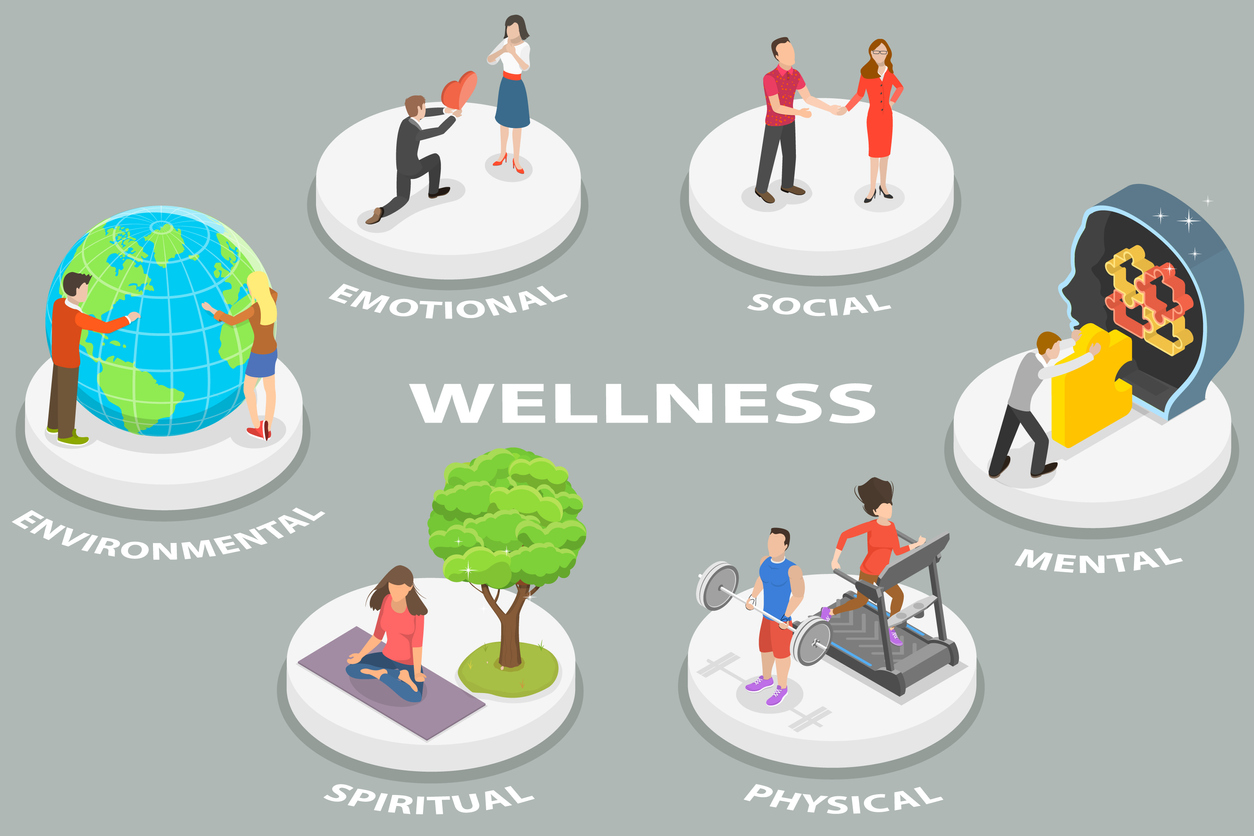
The modern workplace is going through something of a transformation, one that’s reshaping how companies think about employee wellbeing. We’re seeing organizations move past the era of token gestures (think: a bowl of fruit in the breakroom) toward wellness initiatives that actually mean something. True workplace wellness isn’t about checking boxes or offering perks that look good on paper. It’s about creating programs that align what’s good for employees with what drives the organization forward. When companies get this right, something remarkable happens people thrive, productivity soars, and retention becomes less of a constant headache. This holistic approach acknowledges a simple truth that many businesses have overlooked for too long. When employees feel genuinely supported in their wellbeing, everyone wins.
The Foundation of Purpose-Driven Wellness Programs
What sets purpose-driven wellness apart from traditional programs? It all comes down to connection. These initiatives don’t just tell employees to “be healthier”; they help people understand how their personal wellbeing ties into something bigger. When wellness programs reflect a company’s actual values (rather than corporate speak), participation stops feeling like homework and starts feeling authentic. The best organizations begin by actually listening, conducting thorough assessments to understand what their people need, what challenges they’re facing, and what would genuinely help them balance work and life. This isn’t a one-and-done survey, either. Successful programs keep the conversation going, adapting as the workforce changes and new health trends emerge. Without this solid foundation, wellness programs risk becoming just another email that employees archive without reading.
Strategic Integration of Mental Health and Emotional Wellbeing
Mental health has finally stepped out of the shadows in workplace conversations. Organizations are waking up to the reality that psychological wellbeing isn’t separate from performance, it’s central to it. Purpose-driven wellness programs are putting real resources behind mental health: counseling services, stress management workshops, mindfulness training, and yes, actual mental health days that employees can take without guilt. Companies are working hard to break down the stigma, creating spaces where it’s okay to not be okay.
Physical Wellness beyond Traditional Fitness Programs
Purpose, driven physical wellness goes way beyond slapping a gym membership into the benefits package and calling it a day. Today’s innovative programs recognize that people have different abilities, different interests, and different relationships with fitness. Organizations are reimagining their physical spaces, standing desks, walking meeting areas, on, site facilities, and team challenges that build relationships while getting people moving. Nutrition has entered the conversation too, with companies partnering with local vendors to provide meals and snacks that actually fuel the day rather than inducing a 2 PM crash.
Technology and Data-Driven Wellness Solutions
Technology has fundamentally changed what’s possible in workplace wellness, personalizing health journeys in ways that seemed like science fiction a decade ago. Organizations are using sophisticated platforms that adapt to each person’s unique needs and goals, moving away from one-size-fits-all approaches that rarely fit anyone particularly well. Mobile apps put fitness classes, meditation sessions, nutritional guidance, and health tracking in everyone’s pocket, wellness becomes something you can access whenever inspiration strikes. When implementing comprehensive wellness tracking systems, professionals who need to monitor population health trends and coordinate preventive care initiatives increasingly rely on public health software to manage program data and measure community-wide health outcomes. Privacy protection is crucial here, employees need to trust that their personal health information stays personal, even as aggregated data helps leaders spot trends and improve programs. Virtual wellness platforms have become lifelines for distributed teams, ensuring remote workers aren’t left out of the wellness conversation. Gamification, social features, and progress tracking transform wellness from a solitary pursuit into an engaging experience that actually sticks.
Building Culture Through Community and Connection
There’s something powerful about pursuing wellness together. The social dimension of workplace health programs creates bonds that transform isolated efforts into shared cultural norms. Purpose-driven wellness thrives when organizations foster community, team challenges, peer support networks, wellness committees, and shared goals that bring people together beyond their job descriptions. Companies are creating both physical spaces and intentional opportunities for authentic connection, recognizing that social wellbeing isn’t separate from overall health.
Measuring Impact and Demonstrating Return on Investment
Let’s talk numbers, because even the most purpose, driven wellness programs need to justify their existence in business terms. Effective programs establish clear metrics that demonstrate value for both employees and the bottom line. Companies track engagement scores, absenteeism rates, healthcare costs, retention statistics, and productivity measurements to build a comprehensive picture of program impact. But numbers only tell part of the story.
Conclusion
Elevating the workplace through purpose-driven wellness isn’t about implementing another HR program, it’s about fundamentally rethinking what organizations owe the people who make them run. When companies move beyond transactional approaches toward holistic strategies that honor the full complexity of human wellbeing, something shifts. Work becomes a place where people can genuinely flourish rather than merely survive. Integrating mental, physical, social, and purpose, aligned dimensions of health transforms wellness from a checkbox benefit into a core organizational value. As workplaces continue evolving (and they will, change is the only constant), purpose-driven wellness programs will increasingly separate the employers people want to work for from those desperately trying to fill positions. Organizations that invest authentically in comprehensive, meaningful wellness initiatives aren’t just being nice, they’re positioning themselves for sustained success by cultivating healthier, more engaged, and more productive workforces ready to tackle whatever tomorrow brings.

