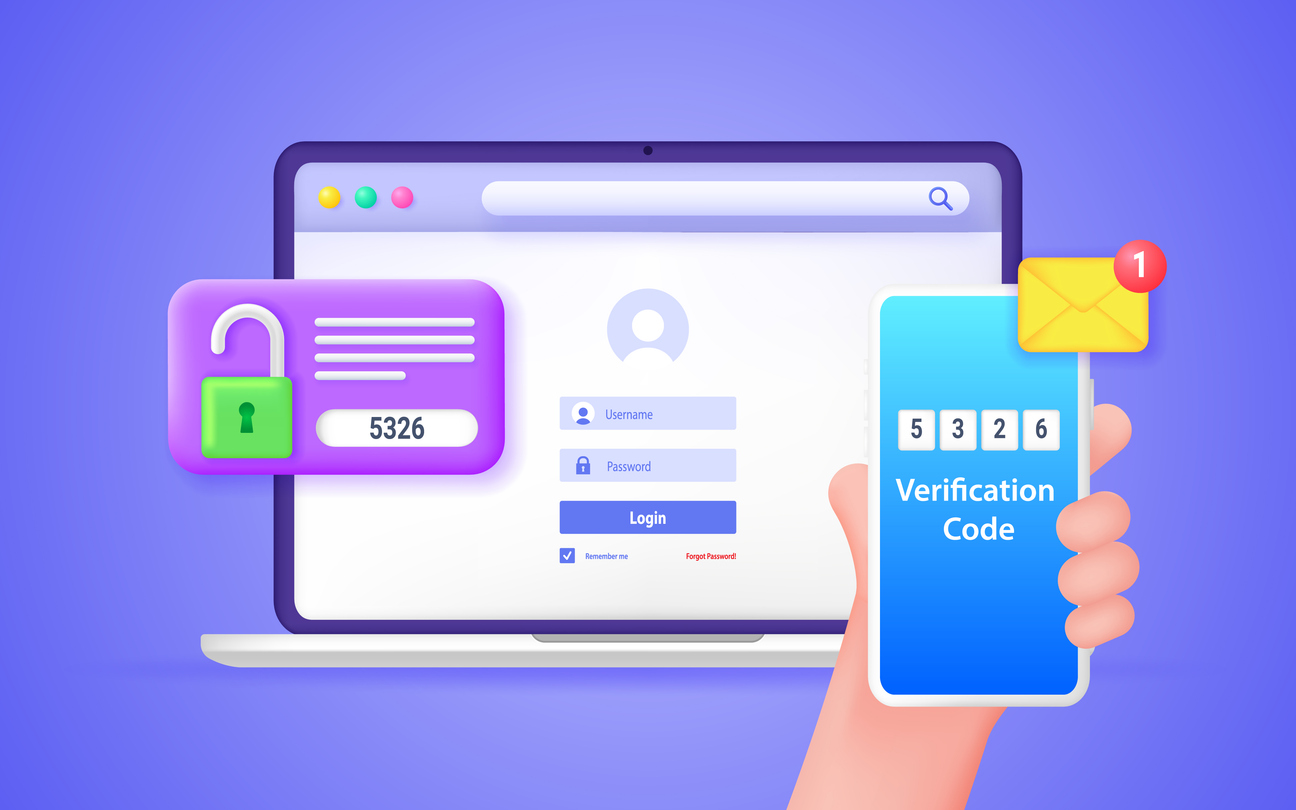
Successful businesses are built on effective communication. Whether it is interacting with customers, offering promotions, or distributing vital updates, companies require an efficient and surefire means of reaching their audience. Short codes have proven to be a highly effective tool for SMS marketing, providing companies with a quick and immediate means of communicating with clients. Having an understanding of how they work and how best to utilize them might allow business individuals to increase engagement, drive revenue, and provide enhanced customer experience.
What Are Short Codes and How Do They Work?
Short codes are five or six-digit phone numbers that organizations use for bulk sending and receiving SMS messages. In contrast to standard phone numbers, short codes are easier to remember and allow high-volume messaging without carrier intervention. Companies use them for promotion, customer care, and automated alerts. They can be dedicated, whereby one company uses them, or shared, whereby multiple companies use the same code but different keywords. The system offers instant delivery of messages and better response rates compared to normal phone numbers.
Types of Short Codes and Their Uses
Companies have different kinds of short codes to choose from based on their needs. Vanity short codes are specifically designed for easy-to-spell numbers best used for promotion and branding. Random short codes are assigned and might be more economical. Then, there are dedicated short codes that provide complete management to one business and shared short codes where multiple businesses are able to have the same number but with their keywords. Choosing the right kind depends on the business budget, the amount of messaging, and the branding goals.
Why Businesses Prefer Short Codes over Long Numbers
Using short codes has several advantages over using long phone numbers. They allow businesses to send large volumes of messages in a quick and spam-marking-freeway. Short codes are also easier for customers to recognize and memorize, which means they would be more apt to reply to a business’ text messages. In addition, carriers prefer short codes for more reliable and faster message delivery. To businesses that implement SMS to do promotions, reminder messages for appointments, or even customer interactions, short codes make a professional and effective means to interact with customers in bulk.
How Short Codes Promote Customer Interaction
Short codes facilitate customer interaction by businesses with an instant call. Since text messages have high open rates, providing promotions, event reminders, or alerts through short codes ensures that messages are read and replied to. Clients can reply to short codes through the text of keywords, allowing companies to automate engagements like subscription registration, customer service, or feedback requests. Two-way conversation results in a stronger connection to customers and less human intervention.
Role of Short Codes in SMS Campaigns
SMS marketing has transformed the marketing arena for businesses, and short codes play a key role in turning a campaign into a success. Businesses utilize them to promote exclusive offers, flash sales, competitions, and offers under loyalty schemes. A well-planned SMS campaign with a short code can induce customer participation and increase sales. For instance, a shop can send limited-time promo codes to subscribers, encouraging them to make purchases. Since SMS messages are read almost in real-time, businesses can get immediate responses to their campaigns.
Regulation and Best Practices for Use of Short Codes
Businesses utilizing short codes must follow strict guidelines in order to achieve SMS marketing compliance. Subscribers should always opt-in prior to receiving promotional messages, and businesses should have an open way of allowing them to opt-out at any time. Being open about message frequency, fees, and privacy policy maintains confidence. Businesses should also avoid over-sending since it would lead to subscriber fatigue and lower levels of participation. Adhering to these best practices will guarantee that short code messaging remains effective and legally sound.
Beginning with Short Codes for Your Business
Initiating a short code program begins with the selection of the right provider and obtaining approval from mobile carriers. Firms must define objectives, including customer service, marketing, or transactional messaging, prior to selecting a form of short code. Upon activation, it is possible to couple short codes with pre-existing customer relationship management (CRM) software or marketing platforms for increased efficiency. Experimenting with different message formats and tracking engagement metrics help to refine the strategy for better performance. With a good strategy, firms are able to maximize the potential of short codes and create engaging customer interactions.
Conclusion
Short codes have changed the way business engages with customers. They are a fast, reliable, and scalable method of marketing, customer support, and transactional messages. By learning about different short code types, benefits, and best practices, business owners can utilize this feature to improve engagement and increase profits. Proper implementation of short codes can help facilitate efficient communication, improved customer service, and fresh business development.

