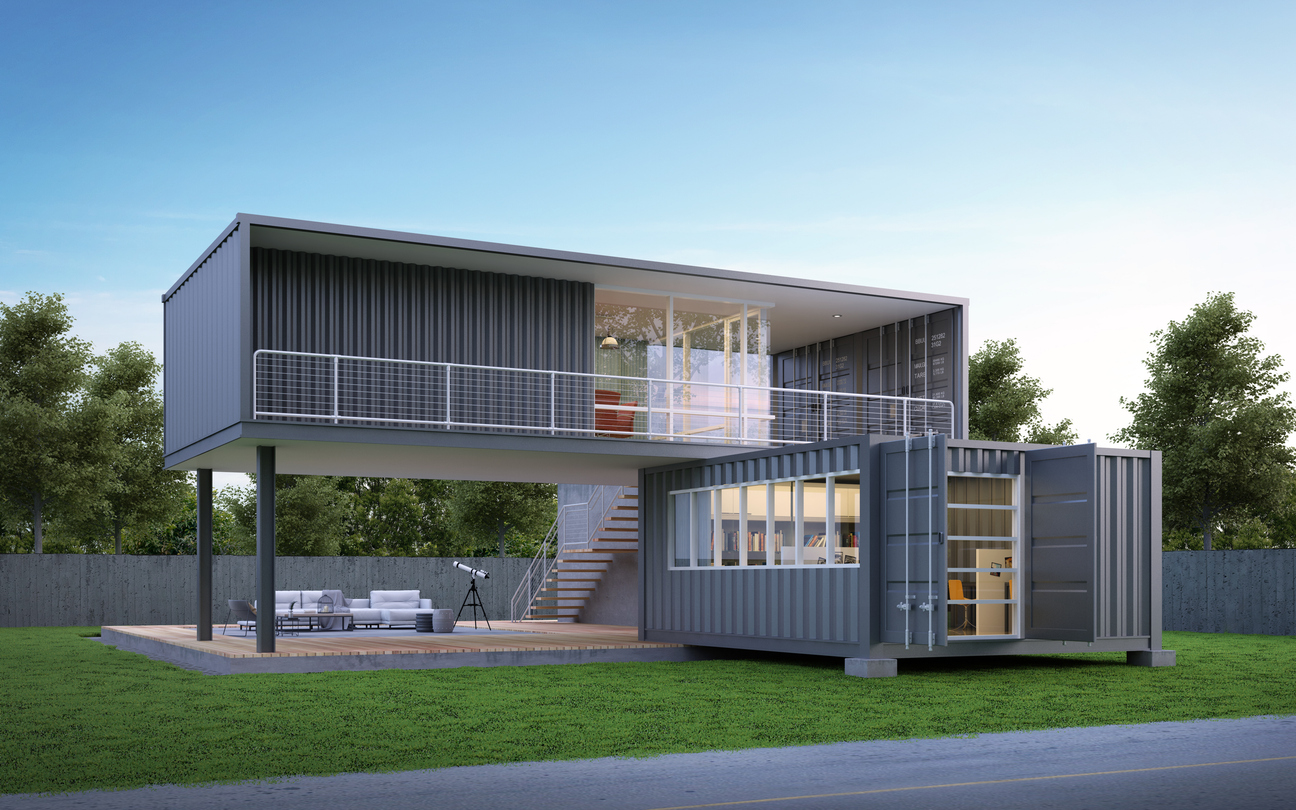
Once destined only for the seas, steel boxes today help to create contemporary landscapes in ways few would have dreamed of. Far removed from their original intent, these once-nomadic entities have developed into the basis of creative spaces challenging conventional buildings. They are elegant, portable, environmentally conscious, and strong enough to resist almost anything the surroundings throw at them.
Urban Food Labs
Urban food systems have changed remarkably in response to the need to grow food near population centers. Modular farming inside repurposed containers provides a climate-regulated, stackable answer to year-round cultivation in densely packed cities, where land is at a premium. Urban growers avoid depending on weather or conventional agriculture by outfitting containers with LED grow lights, sophisticated nutrient delivery systems, and climate automation. Local food networks in food deserts or disaster areas would find these scalable and transportable farming pods perfect.
Uses for Shipping Containers
Starting a business venture starts with looking for a reasonably priced basis from a suitable location. Looking at a shipping container for sale presents a chance to find a flexible construction that reduces overhead and building time. These units arrive as ready-made shells, unlike those of conventional buildings. Simple retrofitting transforms them into commercial venues—cafés, bookstores, pop-up stores, even mobile barber salons—offering businesses a quick and easy approach to open doors without sacrificing design or longevity. One of their strengths is modularity.
Innovation Hubs Off-grid
In far-off settings with limited infrastructure, containers are driving fresh waves of tech and creative innovation. Designed as self-sustaining offices, these off-grid centers mix solar panels, battery storage, satellite internet, and water recycling systems to enable totally autonomous operation. For professionals looking for concentrated solitude, they act as mobile research stations, creative studios, or digital nomad sanctuaries, whether they are stationed in deserts, forests, or high-altitude terrain. Equipped with digital classrooms, 3D printers, and satellite connections, they become tools of empowerment and digital inclusion.
Luxury Wellness Pods
Container architecture is helping to rethink boutique wellness. Resorts and spas are using container-based ideas to create private, intimate wellness suites tucked away in far-off or exotic locations. Designed with glass walls, bamboo cladding, and understated interiors, these pods mix tough durability with calm luxury. Thanks to crane-friendly deployment and small footprints, wellness pods can be located in areas where traditional buildings would be impractical—cliff edges, dense forests, or icy plains. Travelers looking for eco-aware luxury, privacy, and uniqueness will find appeal in this strategy.
Public Art Receptacles
Once-static exhibits are becoming mobile cultural experiences as urban art scenes find homes in renovated containers. Inside container units, art installations, community galleries, and performance venues are being developed so that artists may present their work in non-traditional environments. From city to city, neighborhood to neighborhood, these mobile art centers remove access restrictions and bring artwork to underprivileged areas. Every container becomes a blank canvas—inside and outside. While the inside becomes an immersive experience using projections, sculpture, and interactive displays, artists use the outside walls for murals and graffiti.
Conclusion
Bold innovation starts with reconsidering structure, function, and goal; it does not depend on pouring concrete. Repurposed steel becomes a model for resilience, creativity, and unusual success in a society that is always changing its spaces and systems.

