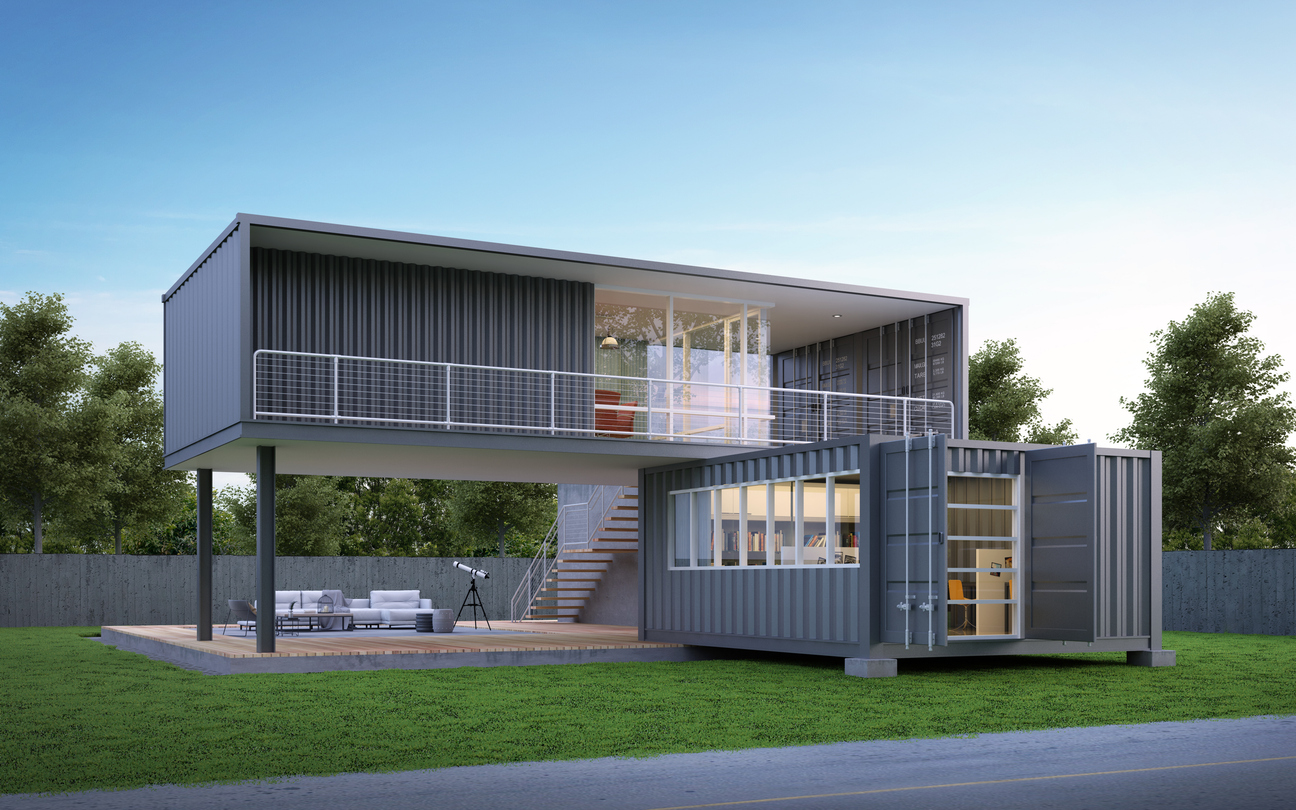
The modern workplace looks nothing like it did a decade ago. Remote work and flexible office solutions have transformed how entrepreneurs, freelancers, and established businesses think about their professional environments. Enter shipping container offices, an innovative solution that’s turning heads across industries. These industrial steel structures aren’t just cost-effective alternatives to traditional buildings; they’re surprisingly versatile canvases for creating sophisticated workspaces that genuinely rival conventional offices. The transformation from cargo carrier to professional workspace does take some thought and planning, though. You’ll need to consider everything from insulation to aesthetics, from permits to power outlets. Whether you’re envisioning a quiet retreat for deep-focus work, a vibrant collaborative space for your team, or an impressive environment for client meetings, container offices offer something truly special, a blank slate where functionality meets creativity.
Understanding the Benefits of Container Office Spaces
What makes shipping containers so appealing for office conversions? Let’s start with their battle-tested durability. These steel boxes were engineered to survive ocean voyages, extreme weather, and decades of hard use, which means they provide an incredibly robust foundation for your workspace. The financial advantages are hard to ignore, container offices typically cost thirty to fifty percent less than traditional construction while delivering comparable comfort and functionality. That’s a significant chunk of change that could go toward high-end finishes or top-tier office equipment instead.
Planning Your Container Office Layout and Design
Maximizing every square foot becomes something of an art form when you’re working with container dimensions. Standard units come in twenty-foot and forty-foot lengths, giving you roughly 160 or 320 square feet to work with, which sounds compact until you see how clever design transforms these spaces. Natural light should be your best friend here. Position workstations near existing openings or plan window installations that flood your space with daylight, cutting down on artificial lighting while boosting mood and energy.
Essential Modifications and Infrastructure Upgrades
Converting a raw shipping container into a comfortable office requires tackling several fundamental upgrades right off the bat. Insulation tops the list of absolute necessities. Without it, you’re looking at an oven in summer and a freezer in winter, not exactly conducive to productive work. Spray foam insulation delivers the best performance for maintaining steady interior temperatures.
Designing for Style and Professional Aesthetics
Transforming your container into a stylish workspace means making design choices that reflect your professional brand while keeping the environment functional and inspiring. Color schemes wield enormous power over how the space feels. Lighter tones make compact areas feel more expansive and airy, while carefully placed accent walls inject personality without overwhelming the senses. The industrial-chic aesthetic plays beautifully with container architecture, exposed metal elements, Edison bulbs, and reclaimed wood celebrate the structure’s cargo-carrying heritage while creating thoroughly contemporary appeal. Modern minimalist approaches work exceptionally well in these environments, emphasizing clean lines and uncluttered surfaces that prevent the space from feeling cramped. For professionals who need to establish a workspace that adapts to various property sizes and layouts, a shipping container office for every space provides flexible solutions that can be customized to meet specific aesthetic and functional requirements. Bringing nature indoors through biophilic design elements, plants, natural materials, organic textures, improves air quality while creating a more calming atmosphere that supports sustained focus. Furniture selection matters tremendously when you’re working with limited square footage. Look for pieces with sleek profiles and multi-functional features that maximize utility without sacrificing comfort or style. Layer your lighting with ambient, task, and accent sources to create depth and visual interest while ensuring you’ve got adequate illumination for various activities throughout the day.
Addressing Practical Considerations and Regulations
Before you get too excited and purchase that container, understanding local regulations and practical requirements can save you from costly headaches down the road. Zoning laws vary wildly depending on where you live, some jurisdictions embrace alternative structures enthusiastically, while others impose strict limitations on residential or commercial container use. Research thoroughly before committing. Building permits typically come into play when you’re adding electrical work, plumbing, or making structural modifications.
Maximizing Productivity and Comfort in Your Container Workspace
Once construction wraps up, optimizing your container office for productivity and long-term comfort ensures you’re getting maximum value from your investment. Temperature control deserves serious attention, mini-split air conditioning units offer excellent heating and cooling performance without requiring extensive ductwork, making them ideal for container installations. Acoustic treatments make a surprising difference in these metal structures. Sound-absorbing panels, area rugs, and soft furnishings reduce echo and improve overall sound quality, creating a more pleasant auditory environment for calls and focused work.
Conclusion
Creating a stylish workspace from a shipping container isn’t just a trend, it’s a genuinely innovative approach to modern office design that balances practicality, sustainability, and creative expression. The journey from industrial steel box to sophisticated professional environment takes planning, quality craftsmanship, and thoughtful design decisions aligned with your specific work needs and aesthetic vision. Container offices deliver remarkable flexibility for entrepreneurs, remote workers, and businesses seeking unique alternatives to traditional commercial spaces without sacrificing functionality. Address those essential modifications, focus on design elements that inspire you, ensure you’re compliant with local regulations, and you’ll create a workspace that genuinely enhances your productivity while reflecting your professional identity.

