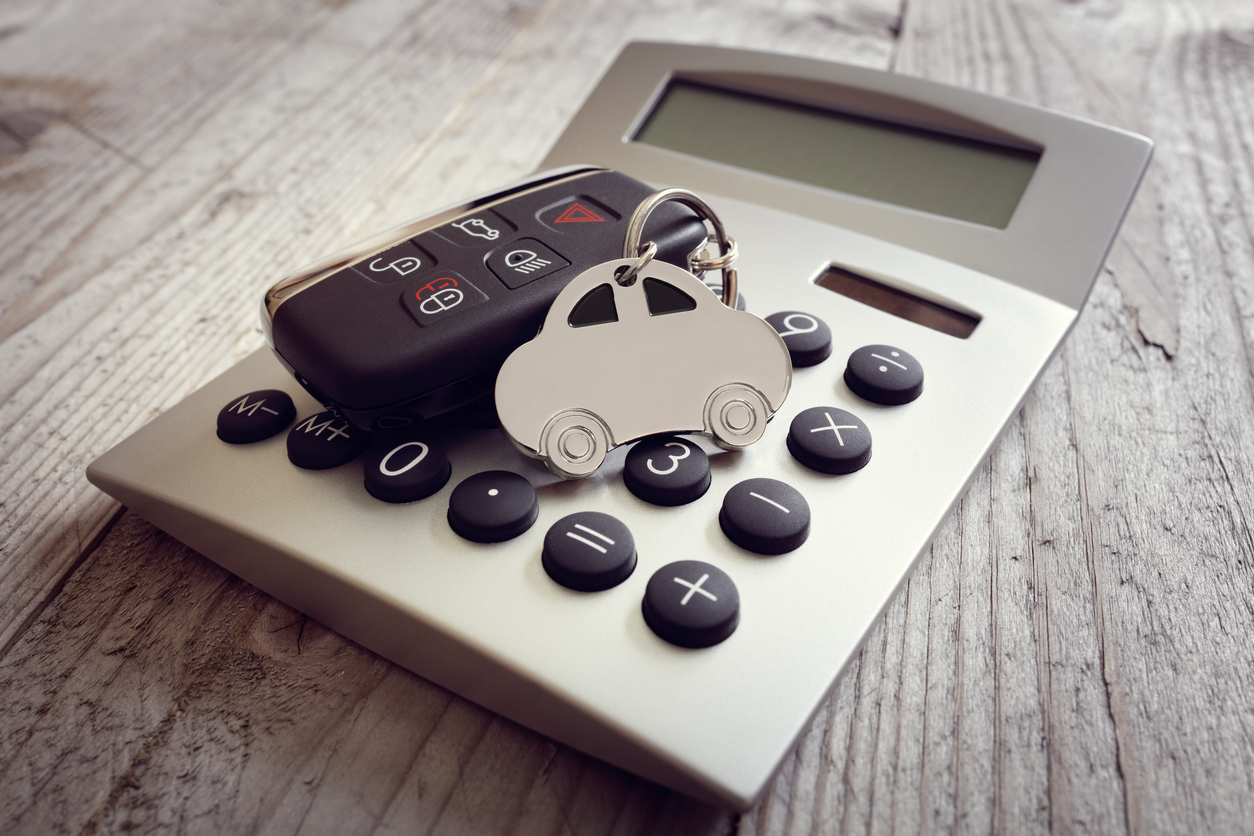
Being a small business owner, you are likely to know that vehicle costs can add up very fast, particularly with the growth of your business. Reducing these expenses will not only enable you to preserve a profit margin but will also give you greater financial freedom in your business. The silver lining here is that the costs associated with vehicles can be easily managed and even reduced without compromising on the quality of services provided. This article will point out seven innovative ways to save money on automobiles and remain in control of your expanding business fleet as well.
Attach a GPS to your Vehicles
Implementing a GPS in your vehicles can be a major money saver. It enables you to monitor the routes taken by your team and offers real-time updates. With this, you can avoid unnecessary mileage and delay by choosing better routes. The systems also provide you with alerts on speeding and harsh driving, which can lead to lower insurance costs and fewer repairs. In addition, you will be able to discover idle time and work time, hence increasing productivity. Although there might be a slight initial expenditure, the long-term advantages are impressive.
Opt for Vehicle Leasing Rather than Purchasing
Leasing can be more economical than owning a vehicle, especially for a small business that is growing. With leasing, you will have lower monthly payments, and you will drive new models more often. This also means that you will be saved from the costs of depreciation and the hefty value loss of purchase. Many leases also come with basic maintenance, which is an additional saving. If your vehicles are standard in their requirements but not in their long-term usage, then leasing provides you with the needed flexibility. It allows you to use your capital in other, more important areas of the business.
Mixed-Use and Personal Use Deductions
You may really get an advantage if you deduct mixed-use taxes on a vehicle, especially when it is used both in business and personal situations. You may use the IRS standard mileage rate, and can only deduct what you have used in business. To remember your mileage, use some easy applications or create a logbook. Ensure you learn the regulations of the IRS to avoid getting in trouble. The deduction can help you to lower your taxable income by a significant margin and thereby save you a lot. Discuss this deduction with a tax expert in order to make the best of it.
Transition to Electric Vehicles or Fuel-Efficient Vehicles
Shifting to fuel-efficient or electric vehicles not only saves you save on fuel but is also good for the environment. The vehicles consume less gas and you will be spending way less on fuel in comparison to standard vehicles. If you switch to electric, you will be even more advantageous as the costs of ‘refueling’ are typically lower, and there are fewer maintenance requirements. There are also tax incentives and rebates offered by the government to businesses that use electric cars. Although the initial expenditure can be high, the long-term savings and benefits compensate for it.
Use Fleet Fuel Cards to Control Fuel Spend
Fleet fuel cards are not only a method of buying fuel, but an effective expense control tool. These cards can be used to curb purchases, track transactions in real time, and avoid unauthorized usage. Many card providers offer discounts on fuel, which can also be saved in the long run. You can also use the cards to make reporting simpler by combining receipts and simplifying your mileage logs. The increased visibility and control can help you identify over-expenses and make better fueling decisions. In fact, it is one of the most effective ways to cut down on fleet vehicle costs.
Perform Regular Maintenance and Inspections
You need to be proactive and keep vehicle maintenance in order. Carrying out regular maintenance will not only keep your vehicles in good condition, but also avoid big trouble in future. Simple maintenance such as oil change, tire inspection and brake maintenance also go a long way in ensuring that the vehicle is in fine condition. Ignoring these simple steps can result in expensive repair or premature failure of the vehicle. Moreover, your vehicles will be safe and efficient as well, and this will be reflected in your bottom line in being able to maintain a proper schedule. It is always advisable to use some money on maintenance as compared to large sums of money on repairs.
Adopt Smarter Fleet Monitoring Tools
When your business expands, it may be more complicated and expensive to deal with more vehicles. In order to remain in control, you need to apply tools that would enable you to track, analyze, and optimize the use of vehicles. The most viable resolution will be to incorporate enterprise fleet management systems in your operations. The systems provide you with a centralized system to monitor vehicle performance, maintenance schedule, fuel consumption, and driver behavior. It can help you to reduce the inefficiencies, unnecessary costs and make informed decisions by having everything in one place. This strategic planning is useful in the long term in that it aids you to control costs and also improving the reliability and productivity of your fleet.
Conclusion
There are many ways of reducing the expenditure on vehicles without compromising on quality and efficiency. The above strategies will help you save on insurance, fuel, and repair costs. The money you will save in vehicle cost can be invested elsewhere in your business or can be used to survive a financial crisis. It will require some small planning and foresight, but it is absolutely possible to spend less on vehicle costs and be faithful to your business. Look at what you do and adjust some things, and you will be amazed at how quickly the savings can build.

