In today’s digital-first work culture, many professionals spend the majority of their day seated at a desk, often in front of a computer. While this setup may be efficient for productivity, it can take a serious toll on physical health. Poor posture, repetitive movements, and prolonged sitting contribute to a range of musculoskeletal issues, including neck stiffness, lower back pain, and shoulder tension. Over time, these discomforts can escalate into chronic conditions that interfere with both work performance and quality of life.
Fortunately, deskbound professionals can take proactive steps to counteract these effects. By incorporating movement, ergonomic adjustments, and wellness practices into their daily routines, they can significantly reduce posture-related aches and improve overall well-being.
Understanding the Impact of Poor Posture
Posture is more than just how you sit or stand; it affects how your body functions. When posture is compromised, certain muscles become overworked while others weaken. This imbalance can lead to joint strain, reduced circulation, and nerve compression. For desk workers, the most common issues stem from slouching, craning the neck forward, and sitting for extended periods without breaks.
Over time, these habits can contribute to conditions like tension headaches, sciatica, and carpal tunnel syndrome. Even mild discomfort can become a distraction, reducing focus and productivity. Recognizing the signs early and addressing them is key to preventing long-term damage.
Ergonomic Adjustments That Make a Difference
One of the most effective ways to combat posture-related aches is to optimize your workstation. Ergonomics is the science of designing environments to fit the user, and small changes can yield big results.
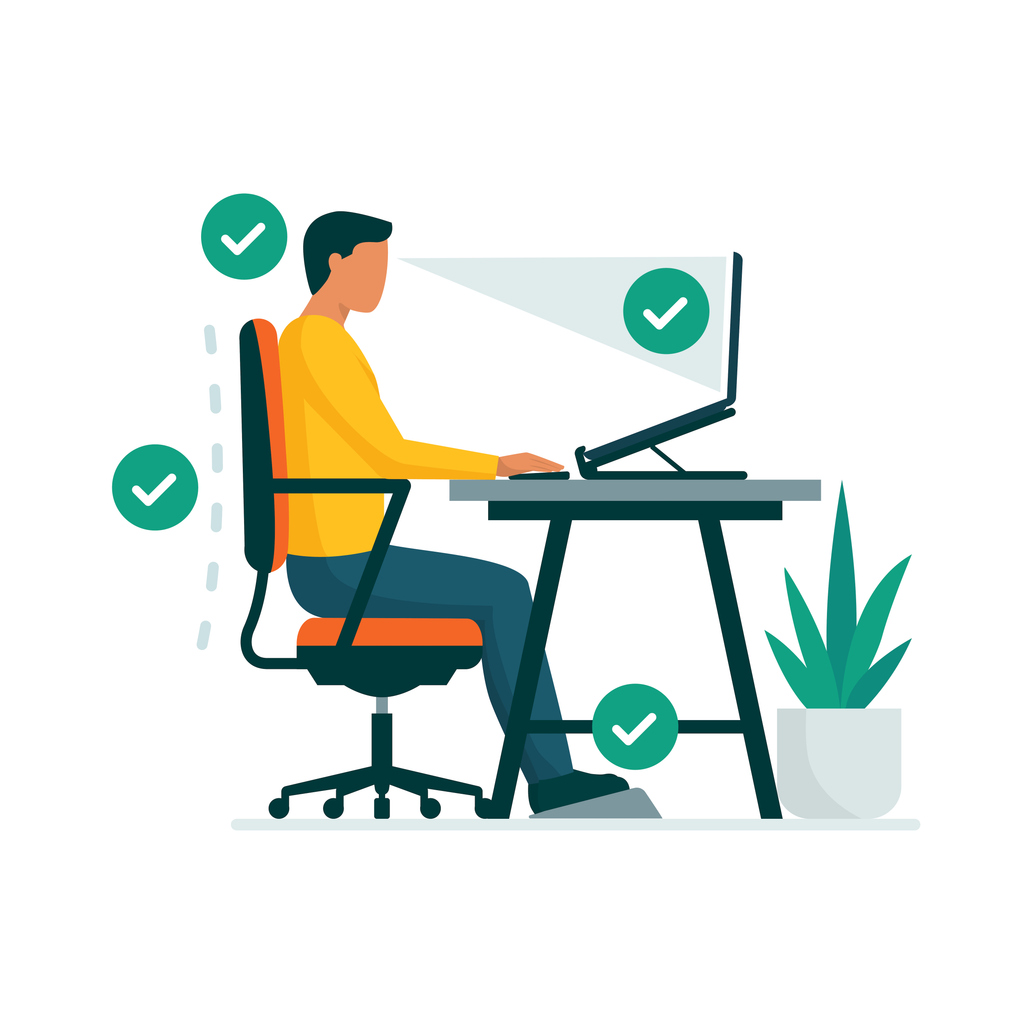
Start by adjusting your chair so that your feet rest flat on the floor and your knees are at a 90-degree angle. Your monitor should be at eye level to prevent neck strain, and your keyboard and mouse should be positioned so your arms remain relaxed and close to your body. Consider using a lumbar support cushion or an adjustable desk to alternate between sitting and standing throughout the day.
Lighting also plays a role. Poor lighting can cause you to lean forward or squint, which affects posture. Ensure your workspace is well-lit and that screen brightness is comfortable for your eyes.
Movement and Stretching Throughout the Day
Even with a perfectly designed workstation, staying in one position for too long can lead to stiffness and discomfort. Incorporating regular movement into your day is essential.
Set reminders to stand up, stretch, or walk every 30 to 60 minutes. Simple stretches targeting the neck, shoulders, back, and hips can relieve tension and improve circulation. Desk yoga or mobility exercises can be done in just a few minutes and require no special equipment.
Walking meetings, standing phone calls, or even pacing during brainstorming sessions are great ways to stay active without disrupting your workflow. The goal is to keep your body engaged and avoid the cumulative effects of sedentary behavior.
Professional Support and Preventive Care
Sometimes, posture-related aches persist despite your best efforts. In these cases, seeking professional support can make a significant difference. A chiropractor in Seattle or your area can assess your posture, identify underlying issues, and provide targeted treatments to relieve pain and restore alignment.
Chiropractic care often includes spinal adjustments, soft tissue therapy, and personalized exercise plans. These interventions not only address current discomfort but also help prevent future problems by improving posture and mobility. Many professionals find that regular visits enhance their energy levels and reduce the physical toll of desk work.
Massage therapy, physical therapy, and acupuncture are other complementary options that can support musculoskeletal health. The key is to find a provider who understands the demands of your work environment and can tailor their approach accordingly.
Building Sustainable Habits
Combating posture-related aches is not a one-time fix; it requires consistent effort and awareness. Building sustainable habits around movement, ergonomics, and self-care can help you maintain comfort and prevent future issues.
Start by evaluating your current routine and identifying areas for improvement. Are you sitting for hours without moving? Is your chair supporting your spine properly? Are you experiencing recurring pain that you’ve been ignoring? Small changes, like adjusting your monitor height or taking a five-minute stretch break, can have a lasting impact.
Consider using apps or wearable devices to track your posture and remind you to move. Share tips with colleagues and encourage a culture of wellness in your workplace. When posture becomes a shared priority, everyone benefits.
Conclusion
Posture-related aches are a common challenge for deskbound professionals, but they are not inevitable. With thoughtful adjustments to your workspace, regular movement, and professional support when needed, you can protect your body from the strain of sedentary work. Prioritizing posture is not just about comfort—it’s about sustaining your health, focus, and productivity for the long term.

