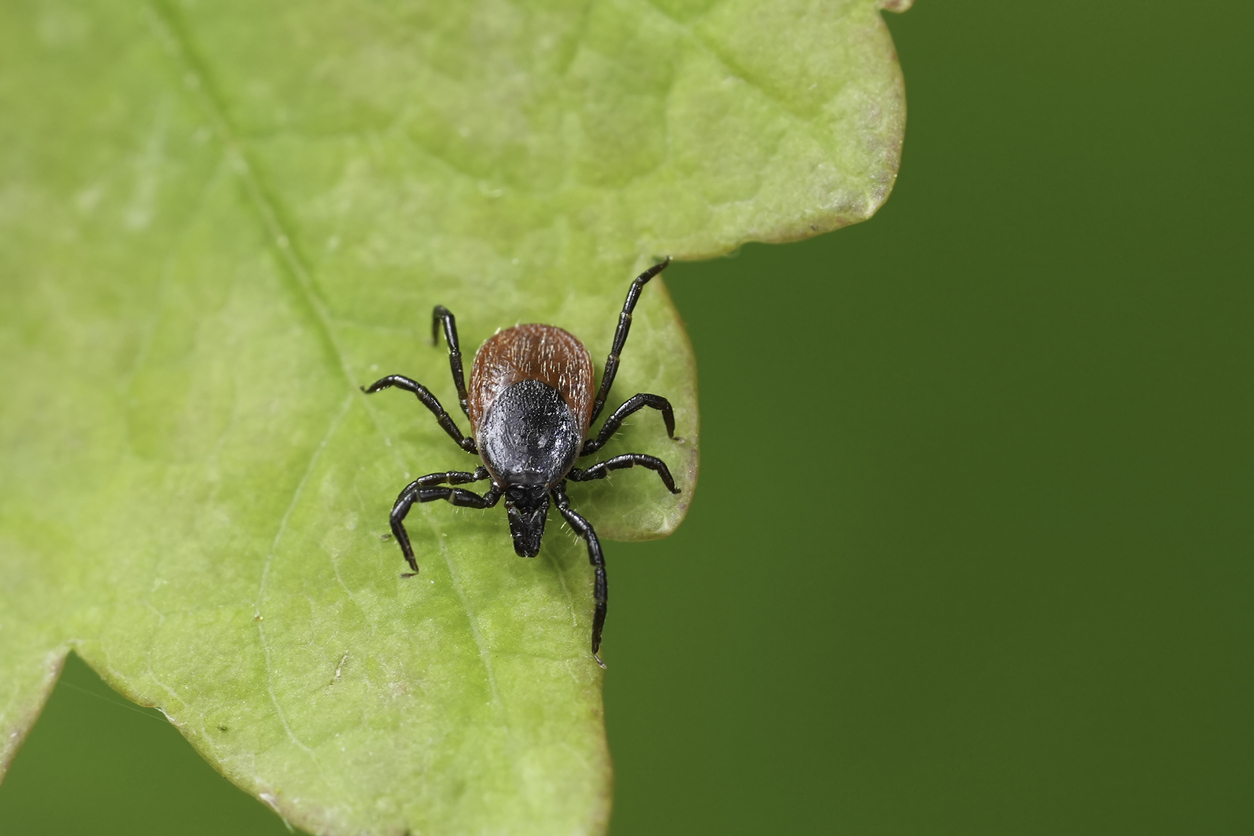
Tick-borne illnesses are a growing concern across many regions, especially during warmer months when outdoor activity increases. Despite heightened awareness, misinformation continues to circulate, leading to confusion about symptoms, prevention, and treatment. These myths can delay diagnosis, complicate recovery, and increase the risk of long-term health issues. By separating fact from fiction, individuals can better protect themselves and seek appropriate care when needed. Here are six common myths about tick-borne illnesses and the truths that debunk them.
You’ll Always See the Tick
One of the most persistent myths is that you’ll know if you’ve been bitten by a tick. In reality, tick bites often go unnoticed. Ticks are small—some no larger than a poppy seed—and their bites are typically painless. They can attach in hidden areas like the scalp, behind the knees, or under clothing, making detection difficult. Many people who develop symptoms of Lyme disease or other tick-borne illnesses never recall seeing a tick. This underscores the importance of regular tick checks after spending time outdoors, especially in wooded or grassy areas.
Only Rural Areas Are at Risk
It’s commonly believed that tick-borne illnesses are confined to rural or forested regions. While these areas do present higher risk, ticks are increasingly found in suburban parks, gardens, and even urban green spaces. Climate change and expanding deer populations have contributed to the spread of ticks into new environments. Anyone who spends time outdoors—regardless of location—should take precautions. Wearing long sleeves, using insect repellent, and staying on cleared paths can help reduce exposure in both rural and urban settings.
All Ticks Carry Lyme Disease
Not every tick is a carrier of Lyme disease. In the United States, Lyme is primarily transmitted by black-legged ticks (also known as deer ticks), and even then, not all are infected. Other tick species may carry different pathogens, such as Rocky Mountain spotted fever or babesiosis. The risk of transmission depends on the type of tick, the region, and how long the tick remains attached. Understanding these variables is key to assessing risk and seeking appropriate medical attention. If symptoms develop after a tick bite, consult a healthcare provider familiar with tick-borne illnesses.
A Negative Test Means You’re Clear
Diagnostic testing for tick-borne illnesses can be complex and sometimes misleading. Early in the infection, antibodies may not be present in detectable levels, leading to false negatives. Additionally, some tests only screen for Lyme disease and may miss other tick-borne pathogens. Symptoms such as fatigue, joint pain, and neurological issues should not be dismissed solely based on test results. Consulting quality lyme disease specialists can make a significant difference in diagnosis and treatment, especially when symptoms persist despite initial testing.
Antibiotics Always Cure Lyme Disease Quickly
While early treatment with antibiotics is often effective, not all cases of Lyme disease resolve quickly. Some individuals experience lingering symptoms known as post-treatment Lyme disease syndrome (PTLDS), which can include fatigue, pain, and cognitive difficulties. In other cases, delayed diagnosis may result in more advanced infection requiring longer or more complex treatment. It’s important to follow medical guidance closely and report any ongoing symptoms. Recovery timelines vary, and a personalized approach is often necessary for full resolution.
Tick Season Is Limited to Summer
Many people associate ticks with summer, but tick activity can begin in early spring and extend into late fall. In warmer climates, ticks may remain active year-round. They thrive in humid environments and can become active whenever temperatures rise above freezing. This means that outdoor enthusiasts, pet owners, and gardeners should remain vigilant beyond the summer months. Protective clothing, regular tick checks, and landscape management are effective year-round strategies for reducing exposure.
Conclusion
Understanding the realities of tick-borne illnesses is essential for prevention, early detection, and effective treatment. By debunking common myths, individuals can make informed decisions about their health and safety. Whether you’re hiking in the woods or enjoying your backyard, awareness and proactive measures go a long way in minimizing risk. If symptoms arise, seeking care from experienced professionals ensures the best chance for recovery and long-term well-being.

