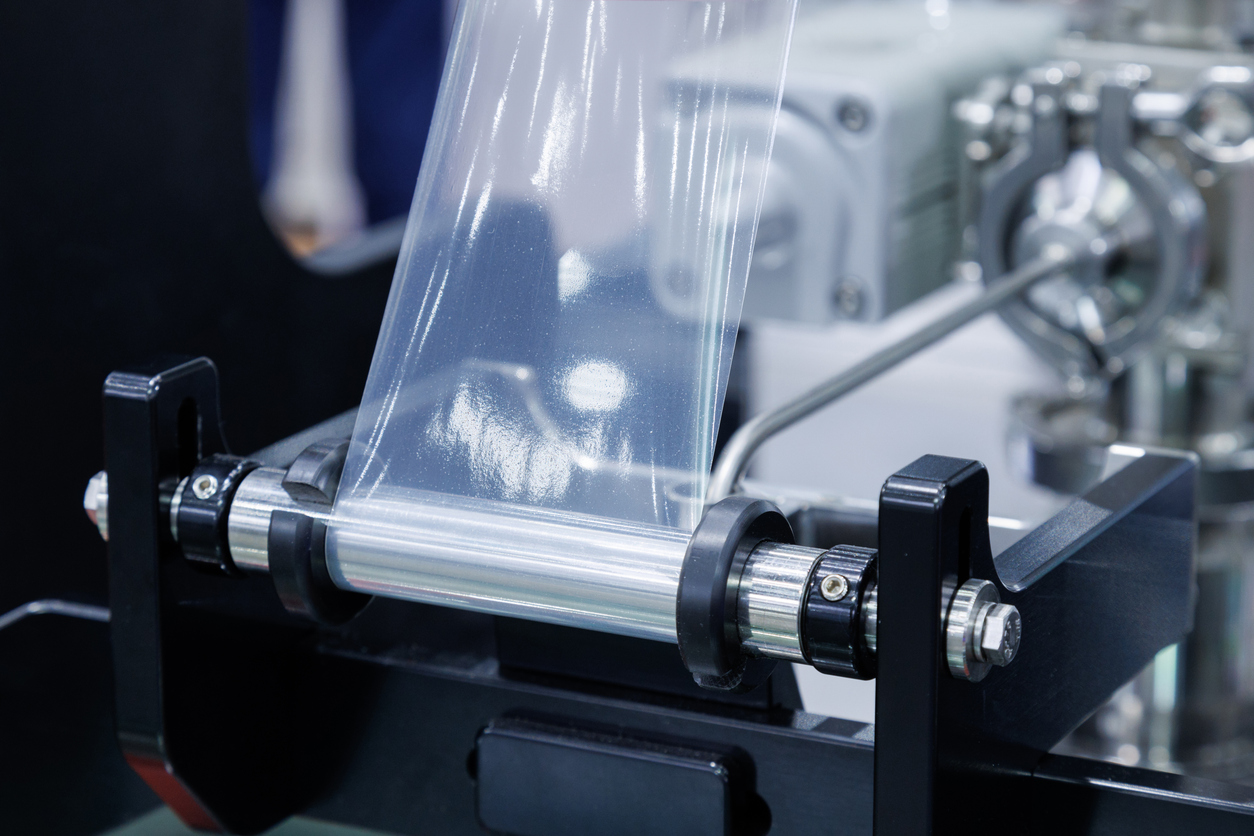
In manufacturing, packaging is key to protect products, make them look good, and keep them fresh. The right sealing tools can boost how well and how fast you work, no matter if you’re packaging food, medicine, gadgets, or factory parts. Bag sealers are some of the most useful machines in packaging – they’re built to close bags every time.
Types of Bag Sealers and What They’re Good For
You’ll find bag sealers in many shapes and sizes, each one perfect for certain materials and production needs. Here are the most common types:
- Impulse sealers: Send a quick heat burst to seal thermoplastic materials. Work well for low to medium-volume jobs.
- Constant heat sealers: Keep a steady heat and can handle thicker materials like foil or coated bags.
- Band sealers: Can seal large volumes non-stop often used by food and drug companies.
- Vacuum sealers: Take out air before sealing, great for foods that spoil and items sensitive to moisture.
Picking the right type depends on your product, packaging material, and how much you make. Knowing these choices helps makers pick equipment that fits what they want to do.
How Bag Sealers Help in Manufacturing
Bag sealers have an influence on improved efficiency and product integrity in several ways:
- Consistent seals: Lower the chance of leaks, contamination, or spoilage.
- Speed and automation: Boost output and cut labor costs.
- Versatility: Work with many bag materials and sizes.
- Compact design: Slot into existing production lines without major layout changes.
Bag sealers also make products look better, which matters a lot in stores. A neat professional seal shows quality and helps customers trust the product.
Keeping Them Running Smoothly
Just like other machines, bag sealers need regular care to work their best. Important upkeep tasks include:
- Clean the sealing parts to stop leftovers from building up
- Check and swap out old bits like heating wires or Teflon covers
- Adjust temperature and pressure settings to get steady results
- Oil the moving parts in band or rotary sealers
Regular upkeep cuts down on breaks and makes your gear last longer. Companies should set up a care plan and teach workers to spot early signs of wear or problems.
Safety and Following Rules
Bag sealers need to meet safety rules to keep workers safe and follow industry standards. This includes:
- Proper covers for hot parts
- Emergency stop buttons and safety locks
- Clear instructions and warning stickers
- Following OSHA and other important guidelines
In food and drug industries, sealing machines need to meet cleanliness and safety rules. Picking gear from trusted makers and doing regular safety checks helps keep the workplace safe and following the rules.
Ways to Boost Productivity
To make your bag sealing work better, think about these ideas:
- Pick a sealer that suits your material: Different bags need different sealers. Check if they work well together before you buy.
- Tweak your settings: Change the heat, pressure, and sealing time to match how thick your bags are and what kind of seal you need.
- Link up with other machines: Connect your sealers to conveyor belts, fillers, or label makers to speed up packaging.
- Teach your workers: Make sure your staff knows how to use the equipment right and fix common problems.
- Keep an eye on how it’s working: Check seal quality, speed, and how often the machine stops to see what you can make better.
Being efficient isn’t just about being fast—it’s about being steady, reliable, and not wasting materials.
Conclusion
Bag sealers play a key role in today’s manufacturing procedures, offering quickness, dependability, and flexibility across many industries. When companies grasp the various types, keep their equipment in good shape, and fine-tune their processes, they can boost the quality of their packaging and their overall output.

