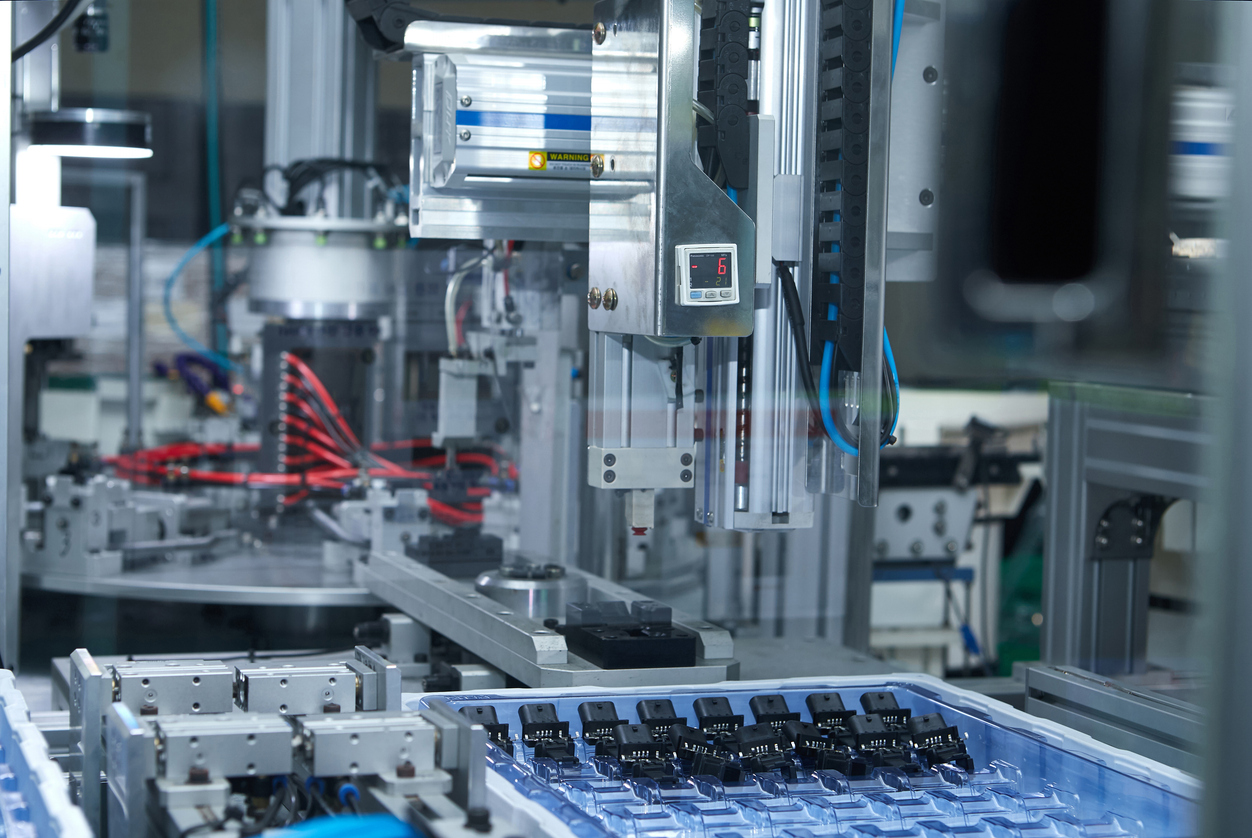
Custom injection molding isn’t what it used to be. Over the past decade, it’s transformed from a straightforward manufacturing process into something far more sophisticated, a comprehensive solution that tackles today’s complex production challenges head-on. Modern manufacturers aren’t just looking for basic part production anymore; they’re demanding precision, efficiency, and flexibility that can adapt to rapidly changing market conditions. This shift has sparked remarkable innovation in injection molding services.
Rapid Prototyping and Product Development Services
When time-to-market makes or breaks a product launch, rapid prototyping becomes invaluable. This service has revolutionized how manufacturers approach product development, compressing what used to take weeks or months into just a matter of days. Instead of committing massive resources upfront, companies can now move quickly from concept to physical prototype, testing ideas and gathering feedback while competitors are still stuck in the planning phase. The secret lies in specialized tooling techniques and materials that allow for quick iterations without breaking the bank.
High-Volume Production with Precision Engineering
When production needs really ramp up, high-volume custom injection molding becomes the backbone of manufacturing success. This isn’t just about cranking out lots of parts, it’s about maintaining unwavering quality while producing thousands or even millions of components annually. Modern high-volume operations achieve this through multi-cavity molds and automated systems that work continuously with minimal human intervention. What sets today’s operations apart is the sophisticated monitoring technology that keeps tabs on critical parameters like temperature, pressure, and cycle time throughout every single production run.
Specialized Materials and Multi-Material Molding
The materials science behind modern injection molding has become remarkably sophisticated. Today’s custom molding services work with an impressive array of thermoplastics, from engineering-grade resins to bio-based materials and specialty compounds with properties like flame resistance, chemical resistance, or electrical conductivity. What’s really opened up new possibilities is multi-material molding, which includes techniques like overmolding and insert molding. These processes let manufacturers combine different materials in a single operation, creating components that would’ve required multiple assembly steps in the past. Think about a power tool handle with a comfortable rubber grip permanently bonded to a rigid plastic body, that’s multi-material molding at work.
For manufacturers requiring large-format plastic components with complex geometries, professionals often rely on custom thermoforming services to produce durable enclosures and structural parts that complement injection-molded assemblies. Medical device manufacturers have been particularly creative with these capabilities, producing everything from surgical instruments with ergonomic grips to drug delivery devices with integrated elastomeric seals. The technical expertise required to optimize processing parameters for different material combinations shouldn’t be underestimated, it’s a significant advantage that experienced providers bring to the table when tackling complex manufacturing challenges.
Advanced Tooling Design and Maintenance Services
Great injection molding starts with great tooling, it’s that simple. The quality of mold design directly impacts everything from product quality to production efficiency and long-term costs. Expert tooling designers today work with advanced CAD/CAM software and mold flow analysis tools that predict how plastic will behave during injection, allowing them to optimize designs before any metal gets cut. They’re looking for ways to minimize cycle times, reduce material waste, and prevent common headaches like warping, sink marks, or short shots.
Quality Assurance and Regulatory Compliance Support
In today’s manufacturing landscape, quality isn’t just important, it’s non-negotiable. Comprehensive quality programs now incorporate multiple checkpoints, from first-article inspection through in-process monitoring to final validation testing before any parts ship. This layered approach catches issues at every stage, ensuring problems get addressed immediately rather than reaching customers. Advanced metrology equipment has made this possible, with coordinate measuring machines and optical inspection systems providing objective verification of dimensional accuracy down to microscopic tolerances.
Conclusion
The world of custom injection molding has matured into something far more comprehensive than basic part production. From rapid prototyping that accelerates innovation cycles to high-volume manufacturing that delivers economy of scale, today’s specialized services address virtually every manufacturing challenge modern companies face. The integration of advanced materials, precision tooling, and rigorous quality systems means manufacturers can confidently partner with injection molding experts to deliver consistent results that meet increasingly stringent performance requirements. By thoughtfully leveraging these five essential services, companies position themselves to optimize product development processes, compress time-to-market, and maintain competitive advantages in global markets that show no signs of slowing down. The manufacturers who thrive tomorrow will be those who recognize injection molding not as a commodity service, but as a strategic partnership that drives innovation and operational excellence.

