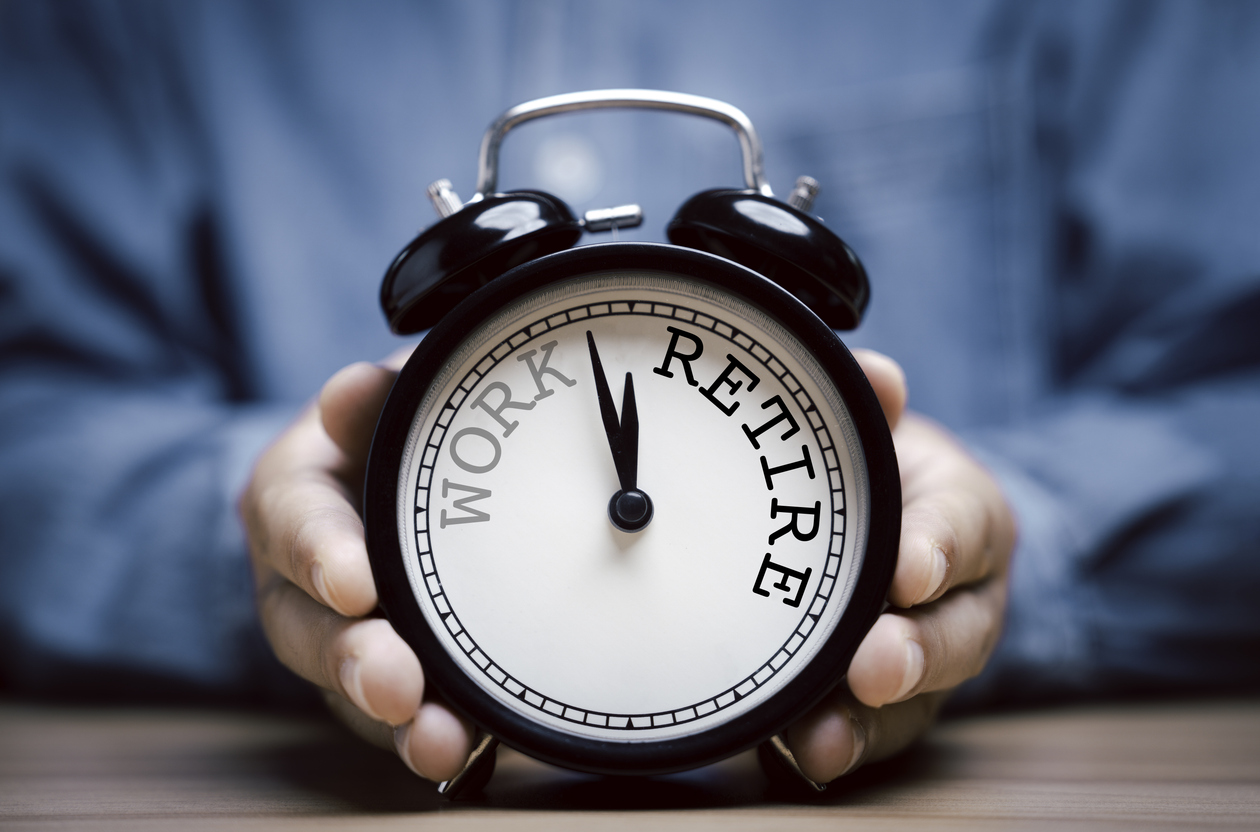
Retirement rarely arrives as a single moment. For many people, it is the result of careful planning, personal reflection, and a thoughtful transition away from full time work. A five year exit strategy gives future retirees the space to make informed choices without feeling rushed. This approach allows time to adjust financially, emotionally, and practically, while also creating room to explore how life might look beyond a career. By preparing early and with intention, retirement can become a rewarding new chapter instead of an abrupt life change.
Clarifying Your Personal Vision for Retirement
The first step in a five year retirement plan is defining what retirement means to you. Some people look forward to travel and flexibility, while others value staying connected to their community, pursuing hobbies, or scaling down work gradually. Taking time to picture daily life after retirement helps guide every other decision, from savings goals to housing preferences.
This vision should also evolve over time. During the early years of your exit plan, your priorities may focus on financial targets. As retirement approaches, lifestyle considerations often take center stage. Writing down goals and revisiting them annually keeps your planning aligned with what truly matters to you rather than what you think retirement should look like.
Strengthening Financial Readiness Over Five Years
Financial preparation remains one of the most practical and essential components of retirement planning. A five year window offers an opportunity to assess savings, estimate long term income, and reduce outstanding debt. Meeting with a financial advisor can help clarify whether your savings strategy supports your retirement goals and what adjustments may be needed.
This stage often includes refining withdrawal strategies, understanding health care costs, and deciding when to claim Social Security benefits. By addressing these topics gradually instead of all at once, retirees can feel more confident and less overwhelmed. The goal is not perfection, but stability and clarity around how finances will support your desired lifestyle.
Rethinking Work, Identity, and Daily Structure
Work provides more than a paycheck. It often shapes identity, social connection, and daily routine. A successful retirement transition takes these factors into account rather than focusing solely on financial readiness. Over the final five years of your career, it is helpful to explore how you will replace the sense of purpose and structure work once provided.
Some people choose phased retirement options, consulting roles, or volunteer work to create continuity. Others invest more time in personal interests that were previously set aside. Planning for these shifts ahead of time helps prevent the emotional letdown that can sometimes follow retirement, allowing individuals to step away from work with confidence and direction.
Planning for Lifestyle and Living Environment Changes
As retirement approaches, many individuals reassess where and how they want to live. This might mean downsizing, relocating closer to family, or choosing a community that supports active and social living. Thinking through these options during a five year exit allows time to explore what environments best align with your long term needs and preferences.
Some retirees find that communities designed for older adults offer built in conveniences, wellness programs, and opportunities for connection. For those considering this path, communities such as Prairie Hills at Cedar Rapids can be a great example of maintenance free living, access to services, and staying engaged with neighbors in a supportive setting. Exploring these possibilities early helps ensure housing decisions complement your overall retirement plan.
Protecting Health and Wellness for the Long Term
Health plays a central role in how retirement is experienced. A proactive approach during the years leading up to retirement can make a meaningful difference later. This includes staying physically active, prioritizing preventive care, and building habits that support mobility and mental wellbeing.
Wellness planning also extends to social health. Maintaining friendships, community involvement, and a sense of belonging contributes to a more fulfilling retirement. A five year exit plan creates time to strengthen these connections so that retirement feels like a continuation of life rather than a sudden shift.
Conclusion
A five year exit strategy provides the time and structure needed to prepare for retirement in a thoughtful and balanced way. By clarifying personal goals, strengthening financial readiness, addressing lifestyle changes, and supporting long term wellness, future retirees position themselves for a transition that feels intentional rather than uncertain. Retirement becomes less about leaving something behind and more about moving toward a life that reflects your values, interests, and sense of purpose.

