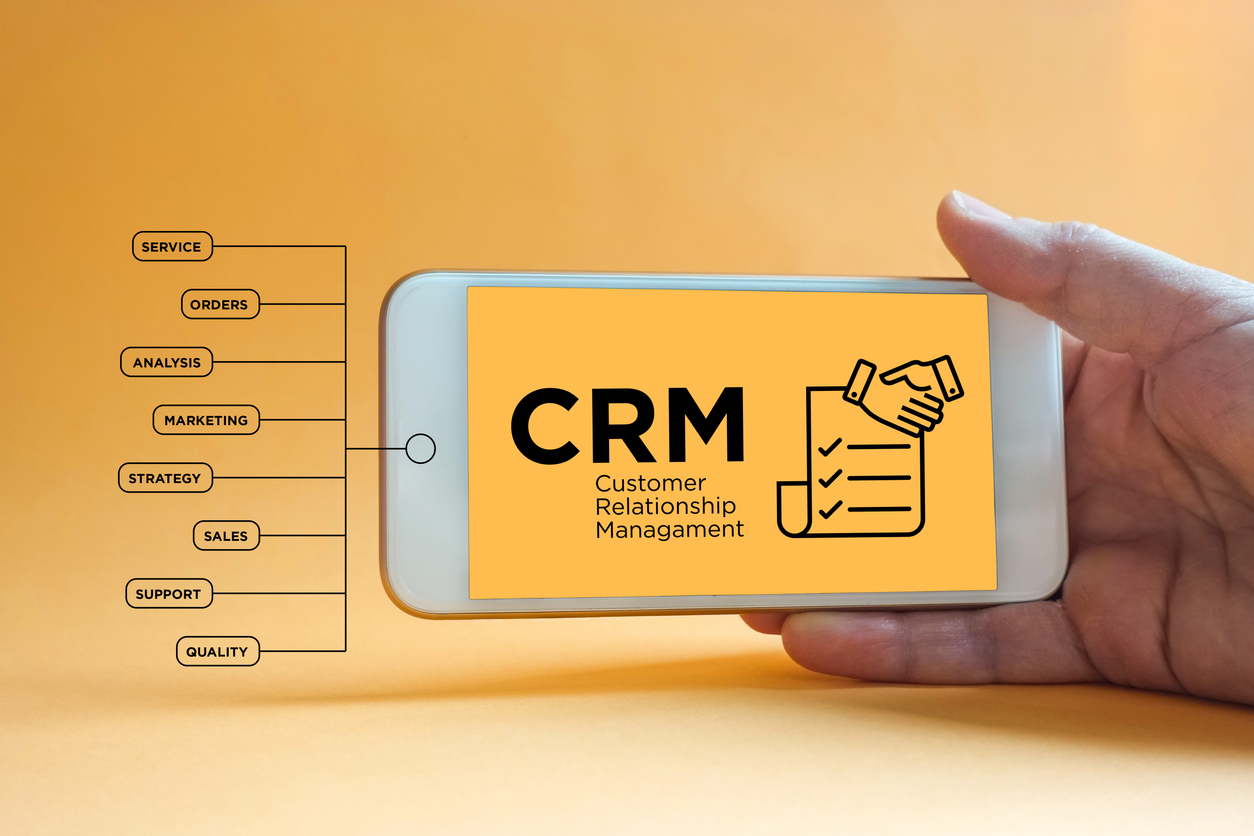
Implementing a customer relationship management system marks a pivotal moment for any organization looking to streamline operations and strengthen customer connections. Yet the transition often creates unexpected challenges that can disrupt workflows and chip away at productivity if you’re not careful. What you really need is a strategic approach that keeps things running smoothly while unlocking the full potential of your new system. Following proven methodologies and understanding the critical factors at play will help ensure a seamless transition that doesn’t derail your business.
Conduct a Thorough Assessment Before Implementation
Before you introduce any new system, take time to evaluate your current processes and pinpoint the specific pain points that the CRM will actually solve. This assessment needs to include input from team members across every department who’ll be working with the system, their insights reveal the practical challenges and workflow patterns you might otherwise miss. Make sure you document how you’re currently managing data, which communication channels you’re using, and how you’re handling customer touchpoints so you understand what needs to change and what’s already working well. A gap analysis can help you figure out which features are must-haves for launch and which ones can wait for later phases down the road.
Develop a Phased Rollout Strategy
Taking a gradual approach to implementation dramatically reduces the risk of overwhelming your staff and throwing daily operations into chaos. Consider kicking things off with a pilot program that involves a small group of users who can test the system under real-world conditions and share valuable feedback before you roll it out to everyone else. This controlled environment gives you room to spot potential issues, fine-tune processes, and develop best practices without affecting your entire organization. Once the pilot phase shows solid results, you can expand access to additional departments or teams in carefully planned stages, making sure each group gets adequate support and training along the way.
Prioritize Comprehensive Training and Support
Your CRM implementation will only deliver results if your team actually knows how to use the system and feels genuinely confident in their abilities. You’ll want to develop a training program that works for different learning styles and skill levels throughout your organization. Create role-specific training modules that zero in on the features and functions most relevant to each team member’s actual daily responsibilities, which makes the learning process feel more efficient and practical. Set up a network of super-users or champions within each department who receive advanced training and can serve as go-to resources when their colleagues run into questions.
Maintain Business Continuity During Transition
Throughout the implementation process, you’ve got to make sure that critical business functions keep humming along without interruption or any drop in service quality. When implementing custom CRM solutions, professionals who need to maintain operational stability often partner with a crm development services to ensure seamless integration with existing systems. Think about running parallel systems for a set period, which gives staff room to gradually shift their workflows while keeping the safety net of familiar processes in place. Schedule intensive training sessions and major system changes during slower business periods when reduced productivity won’t hammer your customer service or revenue generation. Communicate clearly with clients and stakeholders about any potential changes to processes or response times, managing expectations proactively beats scrambling to address concerns after the fact. Establish clear protocols for handling urgent situations or technical issues that crop up during the transition, so everyone knows exactly how to escalate problems quickly. Keep a close eye on key performance indicators during each implementation phase to catch any negative trends before they snowball into serious problems. You should also keep communication channels wide open where team members can report challenges, ask questions, and share suggestions without worrying about criticism. This balanced approach shows you’re committed to both innovation and operational excellence in equal measure.
Leverage Data Migration Best Practices
Successfully transferring your existing customer data into the new CRM system represents one of the trickiest and potentially most disruptive parts of the whole implementation process. You’ll need to clean and organize your data before migration starts, which means removing duplicates, fixing inconsistencies, and standardizing formats to ensure everything’s accurate in the new system. Create a detailed data mapping plan that spells out exactly how information from old systems or spreadsheets will correspond to fields in your new CRM structure. Run test migrations with sample data sets to catch potential issues and confirm that information transfers correctly without getting corrupted or lost along the way.
Monitor Progress and Gather Continuous Feedback
After launch, the real work actually continues as you track how people are adopting the system, spot challenges as they emerge, and fine-tune based on real-world usage patterns. Set up regular check-in meetings with different user groups to talk through their experiences, address concerns head-on, and collect suggestions for making things better. Create simple feedback mechanisms like surveys or suggestion boxes that make it easy for team members to share insights without disrupting their workflows. Keep an eye on system usage analytics to identify features that aren’t getting much love, which might signal a need for additional training or some process tweaking.
Conclusion
Successfully implementing a CRM system without throwing daily operations into turmoil requires careful planning, smart execution, and ongoing support that honors your team’s capacity for change. When you take a phased approach, make training a real priority, and stay focused on business continuity, you can navigate this transition smoothly while building genuine enthusiasm for the new system. The investment you make in thoughtful implementation pays off through better adoption rates, cleaner data quality, and stronger customer relationships that drive your business forward. Keep in mind that successful CRM rollout isn’t just a technical project, it’s an organizational change initiative that requires attention to both systems and the people who use them.

