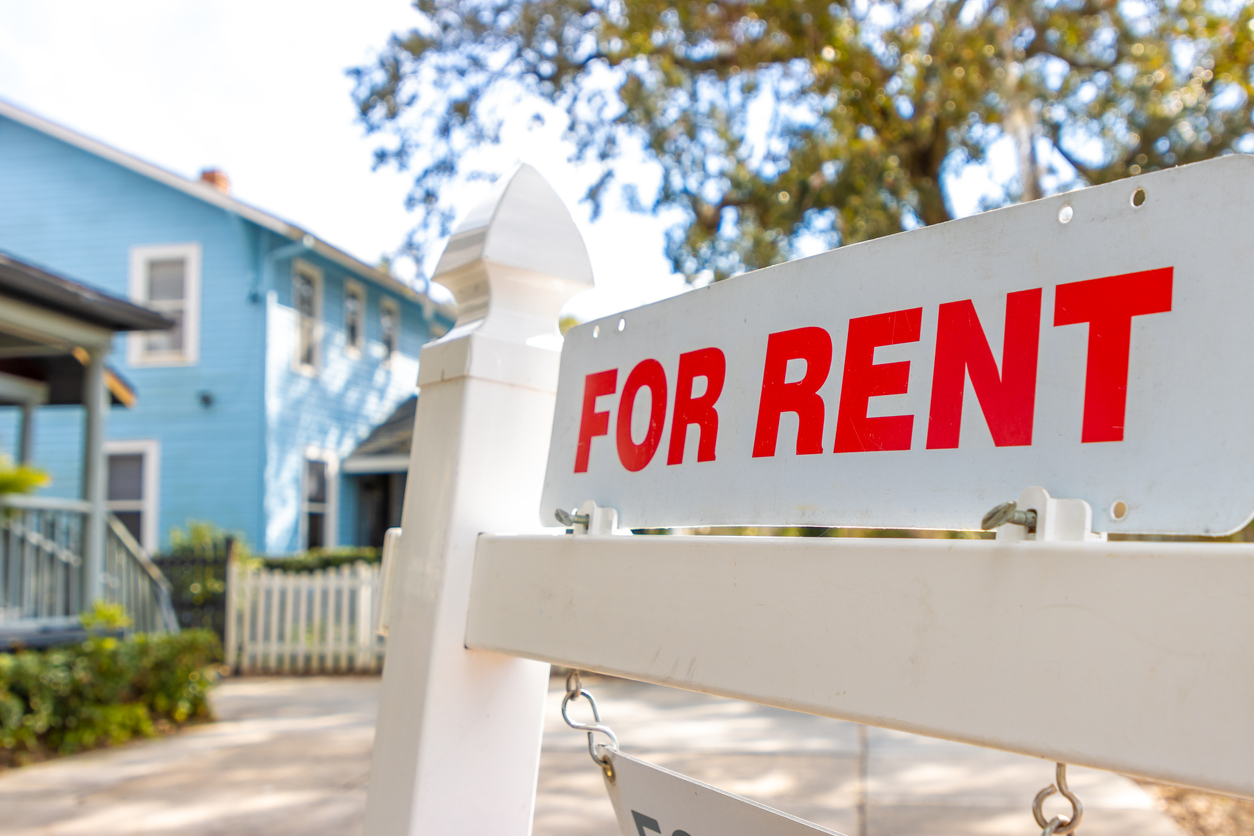
Maintaining rental properties is one of the most important responsibilities a landlord has. Proper maintenance not only protects the value of the property but also contributes to tenant satisfaction and long-term profitability. When maintenance is neglected, small issues can quickly turn into expensive repairs, tenant complaints, and potential legal concerns. Successful landlords take a proactive approach by creating maintenance schedules, responding to issues quickly, and keeping properties in good condition throughout the year. Consistent upkeep helps attract and retain quality tenants while reducing unexpected costs. Understanding the essentials of property maintenance can make ownership more efficient and less stressful. A well-maintained property benefits both landlords and tenants alike.
Perform Regular Property Inspections
Routine inspections are one of the best ways to identify problems before they become major expenses. Landlords should periodically check key areas such as plumbing, electrical systems, roofing, and HVAC equipment. Regular inspections can uncover leaks, wear and tear, or safety concerns that may otherwise go unnoticed. Addressing minor issues early often costs far less than waiting for a larger problem to develop. Inspections also help ensure tenants are complying with lease terms and caring for the property appropriately. Consistency is important because preventative maintenance is generally more affordable than emergency repairs. A proactive inspection schedule supports long-term property health.
Respond To Maintenance Requests Quickly
Tenants expect prompt responses when maintenance concerns arise. Delays can lead to frustration and may allow minor issues to worsen over time. Whether the problem involves plumbing, appliances, or structural concerns, timely action demonstrates professionalism and commitment to property care. Responsive landlords often build stronger relationships with tenants and encourage lease renewals. Quick repairs can also reduce liability and prevent further property damage. Communication throughout the repair process helps keep tenants informed and satisfied. Prompt attention creates a more positive rental experience.
Keep Up With Seasonal Maintenance
Each season presents different maintenance requirements that landlords should address. Before winter, heating systems should be inspected and serviced. During warmer months, air conditioning systems, landscaping, and exterior features may require attention. Seasonal maintenance helps protect the property from weather-related damage and ensures that systems operate efficiently throughout the year. Preparing ahead of seasonal changes often prevents costly repairs later. A structured maintenance calendar helps landlords stay organized. Planning ahead is one of the best ways to reduce unexpected expenses.
Maintain Common Areas And Shared Spaces
For multifamily properties, common areas play an important role in tenant satisfaction. Hallways, parking lots, laundry facilities, and outdoor spaces should be kept clean, safe, and functional. Well-maintained shared spaces contribute to a positive first impression and improve the overall living experience. Regular cleaning and inspections help identify safety concerns before accidents occur. Investing in these areas demonstrates pride in the property and attention to detail. Attractive and functional common spaces can also support tenant retention. Shared areas should never be overlooked in a maintenance plan.
Stock Essential Maintenance Materials
Having necessary materials readily available makes repairs more efficient and cost-effective. Many property owners keep basic tools, replacement parts, filters, hardware, and other commonly used items on hand. Access to reliable multifamily supplies can help landlords address maintenance issues quickly without waiting for materials to arrive. Being prepared reduces downtime and allows repairs to be completed more efficiently. It also helps avoid emergency trips to suppliers during urgent situations. Maintaining an inventory of commonly needed items saves both time and money. Preparation is a valuable part of successful property management.
Prioritize Safety And Compliance
Landlords have a responsibility to provide safe living environments for tenants. Smoke detectors, carbon monoxide detectors, fire extinguishers, and other safety features should be inspected regularly. Compliance with local building codes and housing regulations is equally important. Failure to maintain safety standards can result in legal issues and financial penalties. Staying informed about regulations helps landlords avoid costly mistakes. Safety measures protect both tenants and property investments. Consistent attention to compliance should be part of every maintenance strategy.
Build Relationships With Reliable Contractors
Even landlords who handle minor repairs themselves often need professional assistance for larger maintenance projects. Establishing relationships with trusted contractors, electricians, plumbers, and HVAC technicians can streamline the repair process. Having dependable professionals available reduces stress when unexpected issues arise. Reliable contractors also help ensure repairs are completed correctly and efficiently. Long-term working relationships may lead to better service and more predictable costs. Building a network of qualified professionals is a valuable investment. Strong partnerships support effective property management.
Budget For Ongoing Maintenance Costs
Maintenance expenses are an inevitable part of rental property ownership. Creating a dedicated maintenance budget helps landlords prepare for routine repairs and unexpected issues. Setting aside funds regularly reduces financial strain when larger expenses occur. Budgeting also helps owners make informed decisions about upgrades and preventative maintenance projects. Property owners who plan financially are often better positioned to preserve their investments. A maintenance reserve provides flexibility and peace of mind. Financial preparation is key to long-term success.
Encourage Tenant Cooperation
Tenants play an important role in maintaining rental properties. Clear communication about responsibilities can help prevent misunderstandings and property damage. Encouraging tenants to report issues as soon as they arise allows landlords to address concerns before they become larger problems. Providing guidance on proper property care can also support maintenance efforts. A cooperative relationship benefits both parties and contributes to a smoother rental experience. Open communication strengthens trust and accountability. Working together often leads to better results.
Conclusion
Maintaining rental properties requires consistent effort, planning, and attention to detail. Regular inspections, prompt repairs, seasonal upkeep, and safety compliance all contribute to protecting the property and keeping tenants satisfied. By staying organized, building reliable contractor relationships, and keeping essential supplies available, landlords can manage maintenance more effectively. A proactive approach helps reduce costs, preserve property value, and create a positive environment for tenants. Proper maintenance is one of the most important investments a landlord can make in the long-term success of a rental property.

