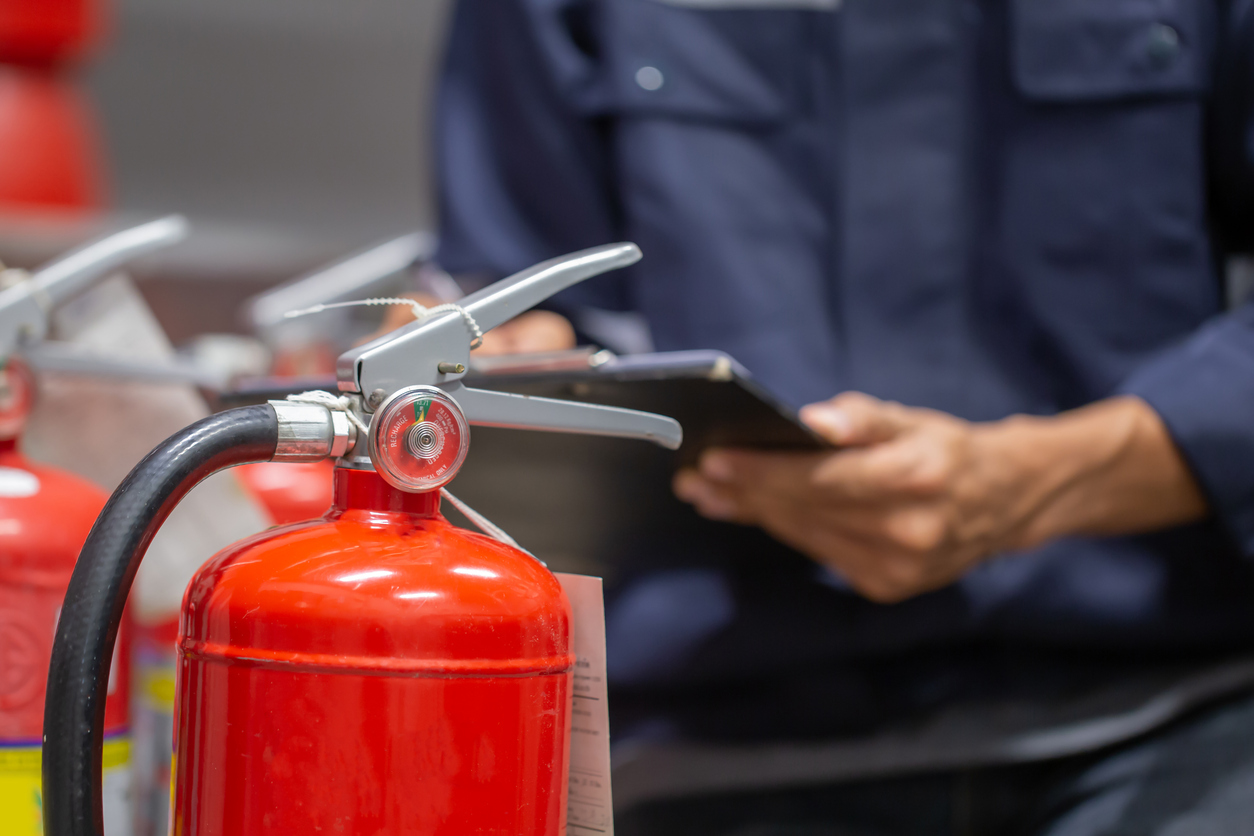
A fire safety inspector walks into your facility. They’re not just eyeballing extinguishers and exit signs. Maintenance records are often the first thing they want to see — and the last thing facility managers think to organize. Those documents tell a complete story of how your fire protection systems have been treated over time. Gaps in that story? They carry real consequences: failed inspections, citations, or worse, a system that fails when someone’s life depends on it.
The Role of Documentation in Fire Code Compliance
Your records prove you’ve met the specific requirements fire codes actually demand. Sprinkler systems, smoke alarms, emergency lighting, extinguishers — all of it needs regular inspection, testing, and maintenance at mandated intervals. Inspectors check whether those activities happened on schedule, and they check the paperwork to do it. Many jurisdictions require annual sprinkler inspections by a certified technician. Undocumented. That’s the problem. Even if the work was done, you can’t prove it without a written record. Inspectors treat documentation as primary evidence — not your word, not your memory. So when that paperwork has holes, the consequences follow regardless of what actually happened on the ground.
How Maintenance Records Support System Reliability
Fire protection systems don’t maintain themselves. Components get serviced, repaired, replaced — and every one of those events needs to be logged. That paper trail reveals patterns. Say your fire alarm system needed three separate repairs inside six months. The records will show that trend clearly, signaling something deeper may be wrong. Without documentation, that pattern stays invisible until something fails mid-emergency. Detailed logs push technicians toward systematic problem-solving rather than reactive scrambling. That shift — from reactive to systematic — is what strengthens system performance over the long run. Short bursts of attention won’t cut it. Consistent, documented upkeep does.
Maintenance Records as a Reflection of Facility Management
Inspectors read your records the way a doctor reads a chart. Organized, current, complete? That signals genuine commitment to occupant safety. Patchy or missing entries? That raises immediate questions — not just about the records themselves, but about everything else that might be slipping through the cracks. There’s another dimension here too. If a fire does occur, investigators will comb through your maintenance history of best smoke detectors to determine what systems were in place and whether they were functioning at the time. Comprehensive documentation can support insurance claims. It can demonstrate due diligence in legal proceedings. Neglected paperwork, on the other hand, becomes a liability in more ways than one.
Documentation as Evidence of Preventive Action
Detailed maintenance records are tangible proof of preventive effort. Dates of inspections. Names of certified technicians. Specific work performed. Issues discovered, and how they were resolved. That level of specificity removes all ambiguity during an inspection — there’s no guessing, no “we think someone checked that.” Facilities that routinely test and service detection equipment like smoke detectors depend on thorough records to confirm each device has been examined, tested, and cleared. Records may also capture staff compliance training — another item inspectors look for. The National Fire Protection Association treats proper documentation of fire protection system maintenance as a core requirement, and enforcement is consistent across building types. The more complete your records, the stronger your footing when citations are on the table.
Conclusion
Maintenance records aren’t paperwork for paperwork’s sake. They prove code compliance, reflect the real state of your systems, and document every preventive step taken over time. Inspectors depend on them. So does your liability exposure. So does the safety of every person inside your building. Prioritize thorough documentation — not just before inspections, but consistently throughout the year. That habit protects your facility, your occupants, and your organization. And when a real emergency hits, it may be the most important preparation you ever made.

